
REVIEW · BEKAA VALLEY WINE TOURS
Lebanon Wine Tasting Tour From Beirut
Three wineries, one unforgettable Bekaa day.
This Beirut wine tasting tour is a straightforward way to reach Lebanon’s Bekaa Valley and spend the day focused on tastings, not logistics, with round-trip transport in a climate-controlled vehicle.
I love that the tastings are built to cover a spread of styles, including red, rosé, and white wines.
I also like the human scale, with a small group (typically capped around 10) and hotel pickup that makes the day feel easy from the first minute.
One thing to keep in mind is that this is a winery-hopping day, so the pace can be fast. If you want a long, classroom-style lecture on wine history, you should go in ready for practical storytelling at each stop rather than a deep multi-hour talk.
In This Review
- Key Things That Make This Tour Worth Your Time
- Bekaa Valley Wine in One Day: How This Tour Feels From the Start
- Getting From Beirut to the Wineries: The Comfort and Timing Details That Matter
- Stop 1: Chateau Heritage, Kab-elias Origins, and the Arak Angle
- Stop 2: Chateau Ksara, Lebanon’s Oldest Winery Since 1857
- Zahle Lunch Break: A Timed Reset Between Two Winery Stops
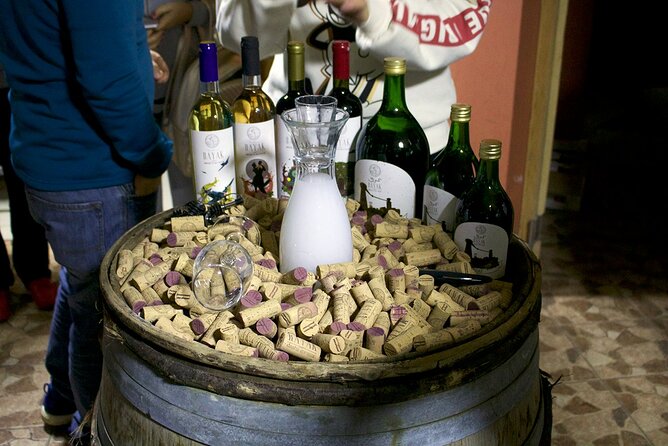
- Stop 3: Chateau Rayak and the Traditional-Modern Production Story
- What Included Wine Tastings Cover, and How to Taste Smart
- Guide Quality and Group Size: Why the Day Can Feel Personal
- Price and Value at About $91: What You’re Actually Paying For
- Who This Tour Suits Best (and Who Might Want Something Different)
- Final Call: Should You Book This Beirut Wine Tasting Tour?
- FAQ
- How long is the Lebanon Wine Tasting Tour from Beirut?
- What time does the tour start?
- How many wineries are visited?
- Are wine tastings included?
- Is hotel pickup available?
- What is the group size limit?
- What happens at Zahle?
- Are admission tickets included for the wineries?
- Can most travelers participate?
- What is the cancellation policy?
Key Things That Make This Tour Worth Your Time
- Small-group flow through three wineries, so you actually have time to ask questions
- Included tastings across red, rosé, and white, not just one safe choice
- Hotel pickup and drop-off in Beirut, with climate-controlled comfort
- Four-stop structure (three winery visits plus a Zahle lunch break) to break up the day
- Two historic heavyweights plus a traditional producer, so you see variety in winemaking styles
More cellar visits out in the Bekaa
- Lebanon Wine Tasting Tour From Beirut★ 4.5 · 25 reviews
- PRIVATE Tour of Baalbek Temples, Umayyad Anjar & Ksara Winery★ 5.0 · 12 reviews
- Anjar, Baalbek & Ksara Winery★ 5.0 · 11 reviews
- PRIVATE Wine Tasting Tour to the Bekaa Valey Fabulous Wineries★ 5.0 · 7 reviews
Bekaa Valley Wine in One Day: How This Tour Feels From the Start
If you only have one day to wrap your head around Lebanese wine, this kind of tour makes sense. You leave Beirut in the morning, you visit three wineries in the Bekaa Valley, and you’re back in time to continue your trip without building an entire day around transport.
What you’re really buying is efficiency plus access. Instead of trying to arrange winery visits, you get transportation handled, entry handled, and a guide who can translate what you’re tasting into context. That context matters here, because Lebanon’s wine story has layers, from ancient references to more recent, family-led production.
Also, the group size helps. When the cap stays low, questions are easier, and tastings feel more like a conversation than a rushed sampling line.
Getting From Beirut to the Wineries: The Comfort and Timing Details That Matter
The day starts at 9:00 am in Beirut, with the tour ending back at the same meeting point. You also get pickup offered at your hotel, which is a big deal if you are tired of taxis, curb confusion, and the classic Beirut parking problem.
Transport is round-trip in a climate-controlled vehicle, which you’ll appreciate in hot or changeable weather. The tour runs about 8 hours, so you’re not stuck on the road all day, but you do get a full, packed schedule.
If you’re the type who likes a slow morning, you might want to plan a lighter breakfast. You’ll be moving through wine settings that invite you to taste, and the day is designed to keep you on the schedule rather than stopping whenever you want.
Stop 1: Chateau Heritage, Kab-elias Origins, and the Arak Angle
Your first stop is Chateau Heritage, with about 1 hour on site. This is the kind of winery introduction that goes beyond the glass. The background here leans into the deep roots of winemaking in the Middle East, with references to early evidence tied to the region and to how grape varieties spread over time.
A specific thread you’ll hear is the Touma Family, who established one of the early wineries and distilleries in Lebanon in 1888 in Kab-elias in the Bekaa Valley. The focus wasn’t only wine, it was also Arak Touma, and that national drink keeps showing up throughout the Lebanese alcohol story.
What I like about starting here is that it gives you a foundation. Even if you are new to Lebanese wine, you’re not just tasting flavors in a vacuum. You’re getting a sense of how the region links wine to culture, trade, and local identity.
One possible drawback of this opening stop is that if you prefer zero storytelling and maximum sampling, you may find the first hour a bit talk-heavy. But if you like context, it sets up the rest of the day well.
Other Lebanese tables worth a booking
Stop 2: Chateau Ksara, Lebanon’s Oldest Winery Since 1857
Next up is Chateau Ksara, also around 1 hour. This is where the tour leans into established history and recognizable production scale.
Here’s the key backstory you’ll hear: Chateau Ksara began in 1857, when Jesuit fathers inherited and farmed a 25 hectare plot to produce Lebanon’s first non-sweet red wine. That makes it feel like a turning point, not just a charming old cellar.
The name adds another layer. Ksara comes from a fortress, or ksar, connected to Crusader-era history. That blend of place and production is part of what makes this stop useful. It’s not only about what’s in the bottle, it’s about what the winery represents.
In terms of what you can expect from the tasting, Chateau Ksara produces a range including red, sweet, dry white, rosé, and even arak. For a one-day tour, that’s a big advantage. You can compare styles and learn what each style tastes like in a Lebanese setting.
If you’re sensitive to pacing, a 1-hour window can feel tight at any winery. The fix is simple: ask your guide to recommend which wines to taste first, and don’t try to sample everything equally.
Zahle Lunch Break: A Timed Reset Between Two Winery Stops
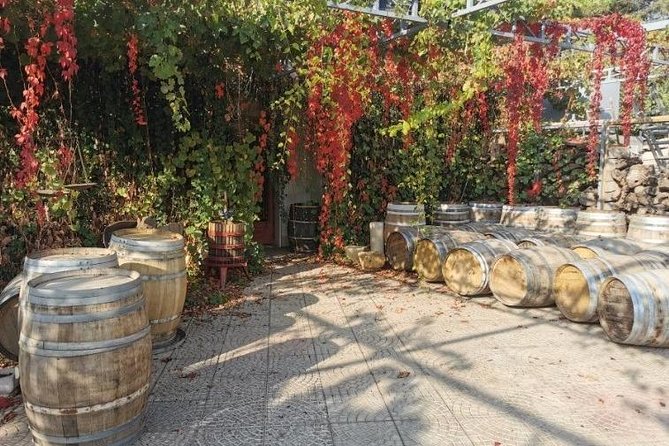
Between wineries, you get Zahle as a lunch stop. It’s scheduled for about 1 hour, and the information here notes admission ticket status as free, which mainly points to a scheduled break rather than a paid entry attraction.
Zahle is a practical choice for lunch because it breaks the day into two distinct blocks. After tasting at wineries, you need normal food time and a chance to reset your palate. Even if you keep lunch simple, that break helps you enjoy the final stop more.
What I’d do as a traveler: pace your tasting earlier so you can still taste confidently at the last winery. Your guide can help you decide which wines to focus on, but you still control how much you drink during tastings.
Stop 3: Chateau Rayak and the Traditional-Modern Production Story
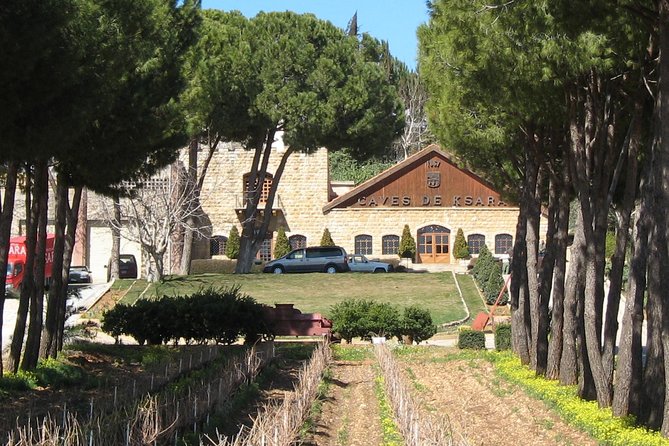
The final winery is Chateau Rayak, with about 2 hours on site, which is a longer window than the first two. That extra time usually means more breathing room to compare what you’re tasting and to ask deeper questions.
This stop is framed around a family-led approach to production. The key idea is that the family maintains traditional methods while also using state-of-the-art technology. The goal is to create different wines from Beqaa Valley grapes.
That traditional plus modern mix is exactly what you want on a three-winery day. It helps you see how Lebanese wine can be both heritage-driven and technically current, rather than locked into one style.
If Chateau Ksara feels historic and Chateau Heritage feels foundational, Chateau Rayak gives you a “today” perspective. In other words, it’s a good ending stop because you leave with a clearer sense of what Lebanese winemaking looks like now, not only what it used to be.
What Included Wine Tastings Cover, and How to Taste Smart
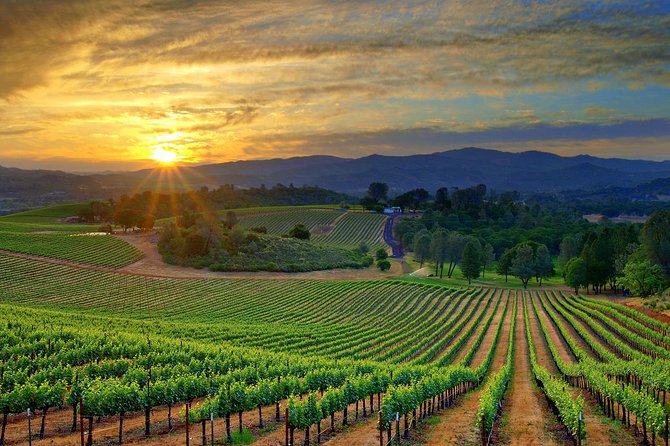
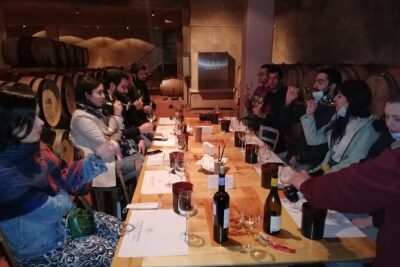
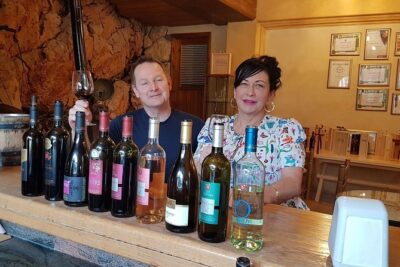
This tour includes wine tastings across red, rosé, and white varieties. The value here isn’t only that tastings are included, it’s that the selection covers multiple taste profiles.
That matters because wine tastings can get repetitive when you only taste one color, one grape style, or one winemaking approach. With multiple styles included, you can start building your own preferences quickly, and you’ll be able to make better choices later when you buy bottles in Lebanon.
A practical way to get more out of the tasting:
- Start by identifying what you like first, fruit-forward reds or lighter whites.
- Ask your guide what makes each wine distinct, not just how it’s made.
- Take small sips and pause between each pour, your palate resets better than you think.
If you plan to drive later, this is a full-day tasting format. Arrange your next transport accordingly. The tour itself includes pickup and drop-off, which helps, but your day still includes alcohol.
Guide Quality and Group Size: Why the Day Can Feel Personal
This tour is designed for small groups, with a group size limited to 10 for personalized service. At the same time, the broader cap is listed as maximum 15 travelers. In real terms, you should expect a small, manageable group most days, not a huge bus situation.
That size shows up in how the day flows. With fewer people, it’s easier for your guide to slow down when a question needs time. It also makes it simpler to match tastings to your interests, like if you want to focus on rosé or if you prefer drier whites.
One other practical plus: the operator, Zingy Ride, has been associated with guides who combine wine talk with a bit of personality and humor. I like that approach because it keeps the day from feeling like a lecture. It’s still informative, it just doesn’t kill the mood.
Price and Value at About $91: What You’re Actually Paying For
At $91.03 per person for roughly 8 hours, this is priced like a real experience, not a budget half-tour. The reason it can feel good value is that you’re not just paying for tastings. You’re also paying for round-trip Beirut transport in a climate-controlled vehicle, plus entry for the winery stops.
You also get a structured day: three winery visits with included tastings, and a lunch break in Zahle. That structure saves you the time and back-and-forth you’d otherwise spend trying to book each winery separately.
One travel reality check though: this is non-refundable and cannot be changed. If your plans are uncertain, make sure the timing works before you pay. For travelers who know their Beirut dates, this kind of set schedule can actually reduce stress, since you’re not gambling on separate bookings.
If you like planning ahead, note that this tour is often booked about 11 days in advance on average. If your dates are tight, reserve earlier to avoid missing your slot.
Who This Tour Suits Best (and Who Might Want Something Different)
I think this tour fits best if you want:
- A beginner-friendly way to understand Lebanese wine styles
- A one-day structure that takes you from Beirut to the Bekaa Valley
- Included tastings across multiple wine types
- A small-group day with pickup and drop-off done for you
It may be less ideal if you want a very slow, in-depth tour with lots of free time in each location. With winery stops and scheduled lunch time, you’ll be moving. You can enjoy the day, but it’s not designed to sprawl.
It also might not suit wine nerds who specifically want long, technical tastings with no interruption. This is a guided wine day with context, not a lab.
Final Call: Should You Book This Beirut Wine Tasting Tour?
If you want an easy, structured day that introduces you to Lebanese wine through three Bekaa Valley wineries, I’d book it. The biggest wins are the small-group feel, the included tastings across red, rosé, and white, and the simple logistics of hotel pickup plus climate-controlled round-trip transport.
Before you click confirm, think about your tolerance for a packed schedule and alcohol included in tastings. If you like learning while you taste, and you want a day that’s genuinely efficient, this tour does the job.
If you prefer a more flexible travel day, or you’re trying to keep things very strict with timing, you might consider a slower, winery-by-winery plan instead. But for most first-time visitors, this hits a sweet spot.
FAQ
How long is the Lebanon Wine Tasting Tour from Beirut?
It runs for about 8 hours.
What time does the tour start?
The start time is 9:00 am in Beirut.
How many wineries are visited?
The tour includes visits to three wineries.
Are wine tastings included?
Yes. Wine tastings are included, with tastings across red, rosé, and white varieties.
Is hotel pickup available?
Yes. Pickup is offered, and the tour includes drop-off back to the meeting point.
What is the group size limit?
The tour is listed as having a maximum of 15 travelers, and it also notes that the group size is limited to 10 for personalized service.
What happens at Zahle?
You have a lunch stop in Zahle for about 1 hour. The details provided do not list a specific lunch inclusion, just the scheduled restaurant break.
Are admission tickets included for the wineries?
Yes, admission tickets are included for the winery stops listed.
Can most travelers participate?
Yes, the information states that most travelers can participate.
What is the cancellation policy?
This experience is non-refundable and cannot be changed for any reason. If you cancel or request an amendment, the amount you paid will not be refunded.
More of Lebanon, Reviewed
- Guided Small-Group Tour to Baalbek, Anjar and Ksara with Lunch
★ 5.0 · 511 reviews - Guided Small-Group Tour to Jeita, Harissa, Byblos with Lunch
★ 5.0 · 361 reviews - City Sightseeing Beirut Hop-On Hop-Off Bus Tour
★ 4.5 · 87 reviews - Private Anjar and Baalbek Tour from Beirut with Departure Ticket
★ 5.0 · 79 reviews - Guided Private Full Day Tour to Baalbek, Anjar and Chateau Ksara
★ 5.0 · 60 reviews
Elsewhere in Lebanon
- Guided Small-Group Tour to Baalbek, Anjar and Ksara with Lunch
★ 5.0 · 511 reviews - Guided Small-Group Tour to Jeita, Harissa, Byblos with Lunch
★ 5.0 · 361 reviews - Paragliding Trip Over Lebanon – Jounieh Bay
★ 5.0 · 257 reviews - Jeita Grotto,Harissa&Byblos Full-Day PRIVATE-CAR Trip from Beirut
★ 5.0 · 222 reviews - First Paragliding Club in Lebanon – Since 1992
★ 5.0 · 193 reviews
The Bekaa, by the Glass
- PRIVATE Tour of Baalbek Temples, Umayyad Anjar & Ksara Winery
★ 5.0 · 12 reviews - Anjar, Baalbek & Ksara Winery
★ 5.0 · 11 reviews - PRIVATE Wine Tasting Tour to the Bekaa Valey Fabulous Wineries
★ 5.0 · 7 reviews - Full-Day Private Wine Tasting Tour
★ 5.0 · 6 reviews - Journey Through Lebanese Wine: A Private Tour in the Beqaa Valley
★ 5.0 · 4 reviews
Other Lebanon trips we have written up
Bekaa Valley Wine Tours, compared.
 ★ 5.0PRIVATE Tour of Baalbek Temples, Umayyad Anjar & Ksara WineryFrom $11312 reviews
 ★ 5.0Anjar, Baalbek & Ksara WineryFrom $20811 reviews
 ★ 5.0PRIVATE Wine Tasting Tour to the Bekaa Valey Fabulous WineriesFrom $1137 reviews
 ★ 5.0Full-Day Private Wine Tasting TourFrom $1046 reviews
 ★ 5.0Journey Through Lebanese Wine: A Private Tour in the Beqaa ValleyFrom $654 reviews
 ★ 5.0Wine Tasting and CultureFrom $1003 reviews
 ★ 4.9Lebanese wineries guided tour with tastings & lunchFrom $1403 reviews
 ★ 5.0Baalbek, Anjar & Wine: A Journey Through Lebanon’s HeritageFrom $553 reviews
Every list this tour turns up in