
REVIEW · BAALBEK, ANJAR & KSARA DAY TRIPS
Guided Small-Group Tour to Baalbek, Anjar and Ksara with Lunch
Roman ruins, then wine country.
This is a full day in the Bekaa Valley that strings together Baalbek and Chateau Ksara, plus the planned Umayyad city of Anjar, with a guide keeping the history tied together as you travel. The small-group setup and door-to-door transfers make it feel like a focused day out, not a frantic bus loop.
I really like two things here. First, the small group (max 15) means your guide can actually answer questions, not just toss facts out from the front. Second, the hotel pickup and drop-off keeps you from dealing with navigation, checkpoints, or parking headaches in unfamiliar areas.
One consideration: not every stop’s admission is included, and the winery experience can cost extra if you add a tasting. If you’re visiting with a tight schedule, you’ll also want to plan for some walking in hot weather, depending on the season.
In This Review
- Key Highlights You Will Actually Feel During the Day
- Hotel Pickup, a Small Group, and Why You Should Skip the Self-Drive
- Baalbek Temples: Bacchus, Jupiter, and the Scale That Messes With Your Brain
- The Mosque of Sayyida Khawla: A Pause That Adds a Living Layer
- Anjar: Umayyad City Planning You Can Still Read on the Ground
- Umayyad Ruins of Aanjar: Where Walls, Baths, and Roman Details Meet
- Lunch in the Bekaa Valley: Included, Filling, and Timed for the Afternoon
- Chateau Ksara Winery: A Jesuit-Era Legacy in Lebanon’s Grape Country
- Transportation, Timing, and What to Bring for a 9-Hour Ruins Day
- Guides Like Albert and Hassan, Plus Specialist Help at the Ruins
- Price and Value: When $65 Feels Fair, and When It Might Not
- Should You Book This Baalbek, Anjar and Ksara Tour?
- FAQ
- How long is the tour?
- What is the tour price?
- Is lunch included?
- Do I get hotel pickup and drop-off?
- How large is the group?
- What time does the tour start?
- Are admission tickets included for the stops?
- Is the tour ticket mobile?
- Is there free cancellation?
Key Highlights You Will Actually Feel During the Day
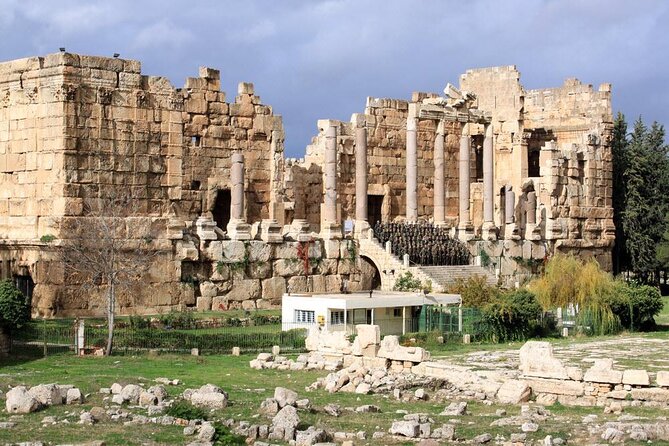
- Baalbek’s Temple Complex, including Bacchus and Jupiter, with time to soak in the scale
- Anjar’s Umayyad layout, where streets and walls show serious city-planning
- On-site specialist guiding, with groups often getting archaeologist-level attention at the major ruins
- Lebanese lunch included, giving you real fuel for the afternoon
- Chateau Ksara in the Bekaa Valley, founded in 1857 by Jesuit priests
- Driver-led comfort, plus air-conditioned transport for a smoother day out
More runs out to Baalbek, Anjar and the Ksara cellars
- Guided Small-Group Tour to Baalbek, Anjar and Ksara with Lunch★ 5.0 · 511 reviews
- Anjar, Baalbek & Ksara Day Trip – With Lunch (4G on Board)★ 4.5 · 181 reviews
- Baalbek – Anjar – Ksara Trip From Beirut★ 4.5 · 80 reviews
- Private Anjar and Baalbek Tour from Beirut with Departure Ticket★ 5.0 · 79 reviews
Hotel Pickup, a Small Group, and Why You Should Skip the Self-Drive
This tour is built for people who want the payoff of the Bekaa Valley without the stress. You start with a 8:30 am pickup and you get dropped back at your hotel after about 9 hours total. In plain terms, that means you can sleep in, then spend your energy on the sights.
The group size caps at 15, and that matters more than it sounds. At UNESCO sites like Baalbek and Anjar, the best moments happen when you can ask, where you can pause, and where someone can point out what you are looking at. With a larger bus crowd, those pauses turn into traffic jams. Here, it stays more human.
Also, the transport is air-conditioned. It might not sound glamorous, but it changes the mood when you step out into heat, then return to a cool vehicle for the next leg. Even the reviews that focus on guide quality still keep coming back to the day feeling organized, not chaotic.
Baalbek Temples: Bacchus, Jupiter, and the Scale That Messes With Your Brain
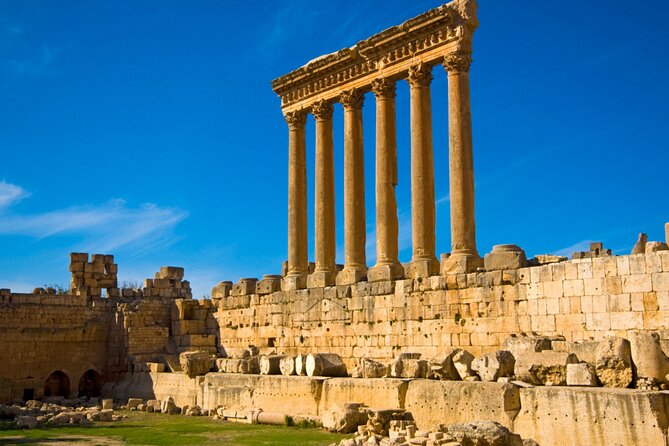
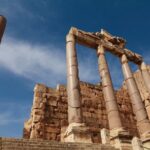
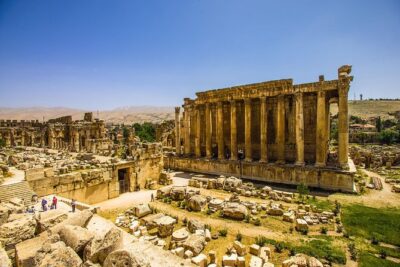
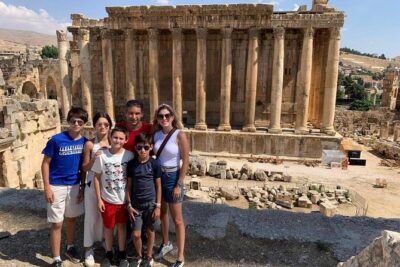
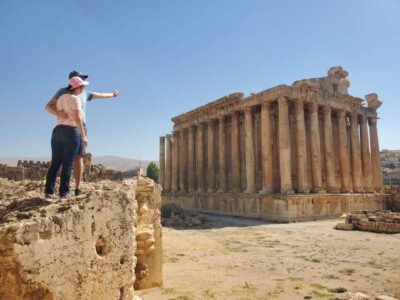
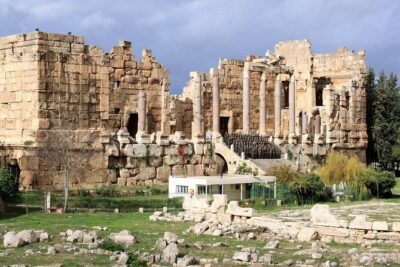
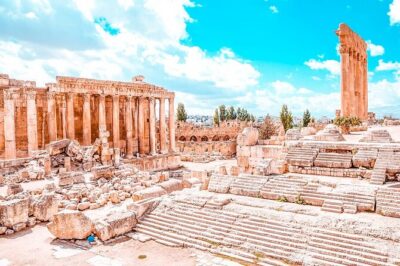
Baalbek is the star attraction, and it earns the spotlight. You’re visiting the famous temple complex tied to the Roman sanctuary of Heliopolis. This is where you see two of the big-name structures from the site: the Temple of Bacchus and the Temple of Jupiter.
Why it’s so worth your time: these are not small ruins you can admire from one angle. Baalbek’s temples are colossal in the literal sense, and the architecture was designed for pilgrims who traveled long distances. The site’s religious meaning shifted over time, starting with older Phoenician worship, then continuing under Hellenistic and Roman rule.
You will spend about 1 hour 30 minutes here for the main temple area. If you like ruins, you’ll want that time. If you do not love ruins, you’ll still likely be impressed because the shapes and proportions are so extreme. You also get context as you walk, which helps you move from seeing stones to understanding why those stones were built and why people once cared so much.
Admission note: one part of Baalbek is listed as free, while another temple-related portion is marked as not included in the tour. Translation for your planning: budget a bit extra for temple fees, unless the operator confirms otherwise at booking.
The Mosque of Sayyida Khawla: A Pause That Adds a Living Layer
Between the big Roman structures, you also stop at the Mosque of Sayyeda Khawla in Baalbek. This one is different from the ruins around it, because it connects you to a specific belief tied to local tradition.
The story, as it is described for visitors, is that Sayyida Khawla, believed to be the daughter of Imam al-Hussein and the grandson of the Prophet Muhammad, is connected to the burial site remembered in Baalbek. The local account links her passing to the caravan of captives connected with Karbala.
In a day that can feel dominated by ancient empires, this stop gives your brain a different kind of reference point. It reminds you that Baalbek is not just a museum of the past. It is still a place where faith and memory shape how people see the world.
Guided departures across Lebanon we have looked at
Anjar: Umayyad City Planning You Can Still Read on the Ground
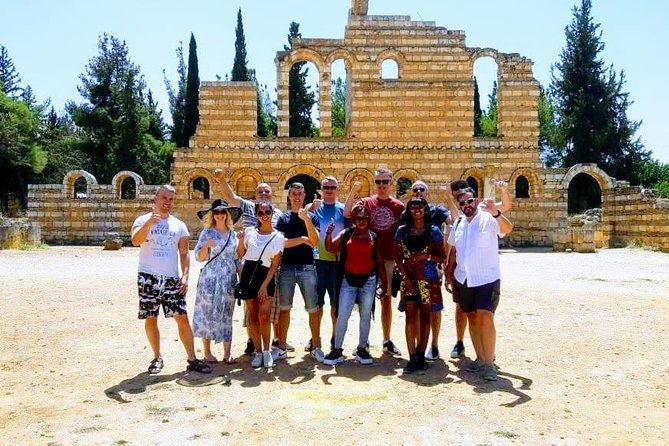
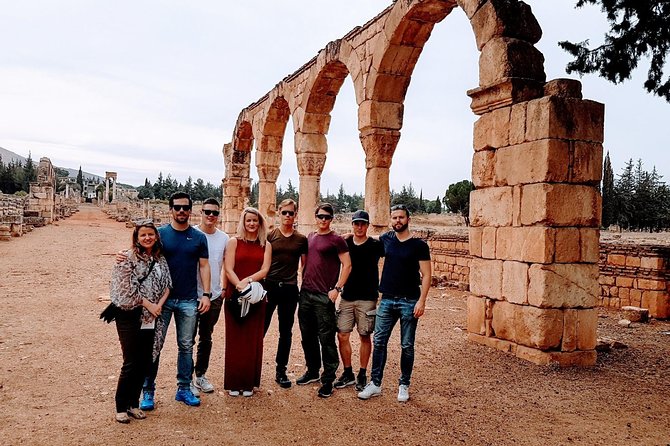
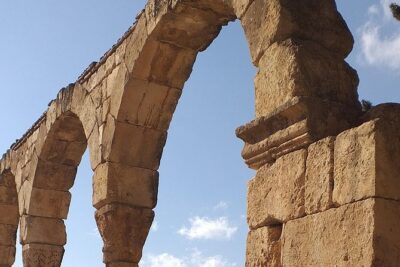
Next comes Anjar, founded in the early 8th century by Caliph Walid I. This is where you shift from Roman monumental scale to something more grid-like and structured.
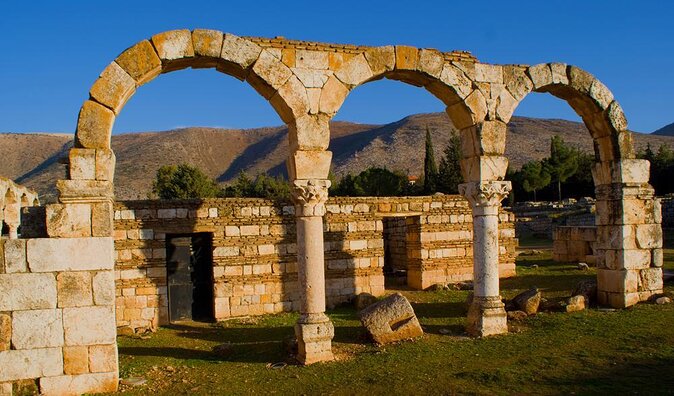
The standout here is the regular layout. The ruins are arranged in a way that echoes palace cities from earlier eras. What you are looking at is a rare survival of a planned city, and the guides typically connect it to the Umayyads building order into the way power moved through space.
You’ll spend about 45 minutes at Anjar in the included stop, with admission listed as free for that portion. That free entrance can help keep your overall day costs reasonable if you are trying to stick to a budget.
If you usually rush through ruins, this is one place where slowing down pays off. With Anjar, the interest is in how the place is organized. Once you catch that pattern, the stonework starts to feel less random and more intentional.
Umayyad Ruins of Aanjar: Where Walls, Baths, and Roman Details Meet
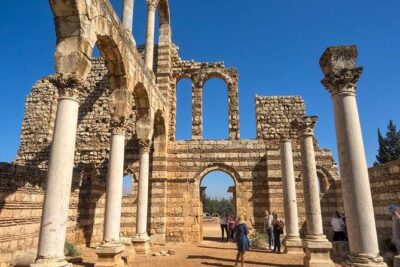
Right after the first Anjar stop, the tour continues to the Umayyad Ruins of Aanjar. This section is the more detailed look at the city’s remains, including walls of the Umayyad palace, harems, a mosque, the great palace of the caliph, thermal baths, and pillars that include Roman architectural elements.
You will have about 45 minutes here, and this portion is listed as not included for admission. So again, your day budget should assume a couple of extra ticket costs across the ruins, even though the tour price includes lunch and guiding.
I like this part of the day because it connects different eras without forcing you into a single timeline. You see Umayyad planning, but you also notice older Roman touches in the building language. That mix is part of what made the region a crossroads for centuries.
Lunch in the Bekaa Valley: Included, Filling, and Timed for the Afternoon
The lunch stop is part of what makes this tour feel like a real day out instead of a string of quick photo stops. Lunch is included, and it is described as a Lebanese meal in an authentic local restaurant.
Time-wise, lunch matters because Baalbek and Anjar take attention. You want food that keeps you going without turning into an hour-long wait. The day runs for about 9 hours, so you cannot afford to stall.
One practical note: while most comments are positive about the meal, there is at least one report mentioning dissatisfaction with the lunch quality and service. That is not a reason to avoid the tour, but it is a good reminder to keep your expectations flexible if you are very picky.
What should you do? Ask your guide what the lunch usually includes during your specific travel date. If you have dietary needs, you’ll also want to mention them early when you book, so the operator can manage expectations.
Chateau Ksara Winery: A Jesuit-Era Legacy in Lebanon’s Grape Country
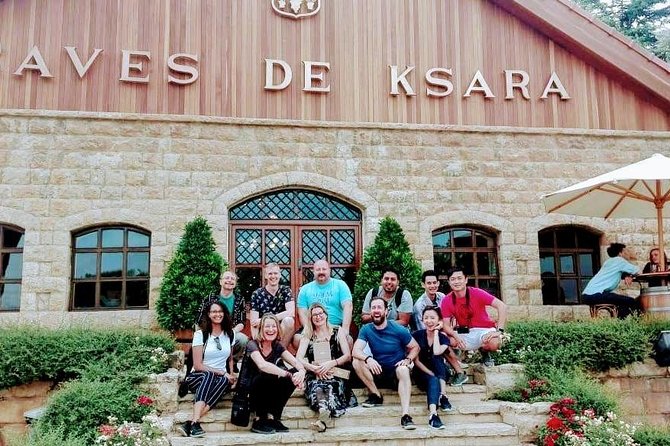
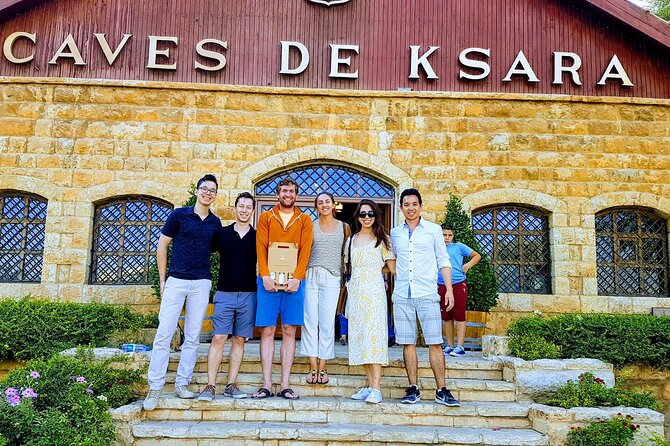
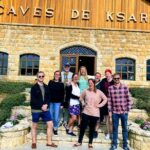
After lunch, you head to Chateau Ksara, one of the best-known names in Lebanese wine. You get about 1 hour here.
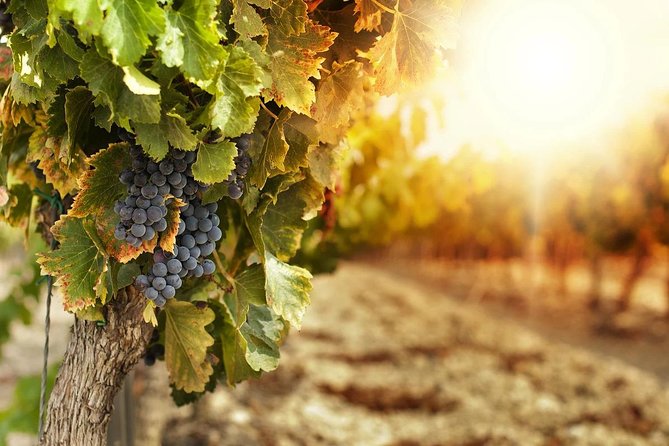
Here’s what makes Ksara historically interesting: it was founded in 1857 by Jesuit priests, and it is credited with developing the first dry wine in Lebanon. The winery produces around 3 million bottles annually and exports to more than 40 countries. That scale can surprise people who only think of Lebanon as a stopover, not as a wine destination.
Admission is listed as not included, which means you may pay at the winery if you want the full experience, and the wine tasting is described as extra in at least one review. So if tasting is on your must-do list, keep some extra cash or card readiness.
Even if you skip tasting, the visit still gives you a satisfying Bekaa Valley counterpoint. The day begins in massive Roman stone, moves through Umayyad city remnants, and then lands in a working vineyard world. It’s a nice mental reset.
Transportation, Timing, and What to Bring for a 9-Hour Ruins Day
This is an action-packed day, but it is also structured. You start early, you have dedicated blocks of time at the major sites, and you end back in Beirut.
What might catch you off guard is the walking and the heat. One review notes the hikes felt hot during summer, so I would treat this as a day with sun exposure on the ruins side of the schedule. Wear breathable clothes, bring water, and consider a hat. If you are sensitive to heat, you’ll feel the benefit of staying close to the group and using shade whenever your guide suggests it.
For comfort, I also recommend:
- Solid shoes (the ground at ruins is rarely flat)
- Sunglasses and sunscreen
- A light layer for the air-conditioned car, just in case
- A small day bag for water and your phone charger
One more practical tip: at sites like Baalbek and Anjar, your best photos often come after you listen for 5 minutes. So don’t tune out while the guide explains what you are seeing.
Guides Like Albert and Hassan, Plus Specialist Help at the Ruins
What really makes this tour work is the human part. The guiding quality shows up again and again in reviews, with names like Albert, Hassan, Mariana, Alfred, and Mike appearing as lead guides. Different days, different personalities, but the common thread is clear: guides keep the day moving and make the history understandable.
A particularly strong theme is specialist attention at the ruins. Some groups are met by archaeologist-level guides at Baalbek and Anjar, which is a big deal if you want more than a basic overview. It changes your visit from watching rocks to recognizing the logic of the site, why certain structures matter, and how the deities and rulers show up in the architecture.
Even the people who joked about enjoying the drive still credited the guides for the payoff. That usually means good timing, good explanation, and the right amount of freedom for photos without losing the day.
Price and Value: When $65 Feels Fair, and When It Might Not
At $65 per person, this tour is priced like a budget-friendly way to pack in major UNESCO sights, lunch, and transport with a driver. You are also getting the convenience of door-to-door transfers and a vehicle that stays air-conditioned.
But here is the honest value picture. Several admission elements are marked as not included, including parts of the temple complex and the Umayyad ruins, and Chateau Ksara. The winery tasting may also cost extra. So your all-in day cost could rise depending on how many optional extras you add.
Still, even with additional tickets, the structure makes sense. You are paying for:
- Professional guidance
- Lunch in a real restaurant
- Safe, comfortable transport with a driver
- Small-group time at major sites
If you were to self-drive and hire a guide separately, the math rarely stays cheap.
Should You Book This Baalbek, Anjar and Ksara Tour?
Book it if you want a one-day route that hits Baalbek and Anjar UNESCO sites and ends with a real winery stop. This tour is a strong fit for first-timers to Lebanon’s Bekaa Valley who want order, a plan, and expert help.
Skip or think twice if you hate any extra ticket costs and you are the type who wants every single attraction priced upfront. Also consider the heat and walking if you travel in summer.
My bottom line: for most visitors to Beirut, this is one of the smoother ways to see the region’s most famous remnants and finish with something practical to taste and buy. With the small group limit and specialist-style guiding, it is the kind of day where the details actually stick.
FAQ
How long is the tour?
The tour runs for approximately 9 hours.
What is the tour price?
The price is $65.00 per person.
Is lunch included?
Yes, lunch is included.
Do I get hotel pickup and drop-off?
Yes, the tour includes hotel pickup and drop-off from central Beirut hotels.
How large is the group?
The tour is a small group with a maximum of 15 travelers.
What time does the tour start?
The tour start time is 8:30 am.
Are admission tickets included for the stops?
Some admissions are listed as free for certain stops, but others are not included, including parts of Baalbek, the Umayyad ruins of Anjar, and the Chateau Ksara visit.
Is the tour ticket mobile?
Yes, the tour includes a mobile ticket.
Is there free cancellation?
Yes, you can cancel for a full refund up to 24 hours before the experience starts.
More of Lebanon, Reviewed
- Guided Small-Group Tour to Jeita, Harissa, Byblos with Lunch
★ 5.0 · 361 reviews - City Sightseeing Beirut Hop-On Hop-Off Bus Tour
★ 4.5 · 87 reviews - Private Anjar and Baalbek Tour from Beirut with Departure Ticket
★ 5.0 · 79 reviews - Guided Private Full Day Tour to Baalbek, Anjar and Chateau Ksara
★ 5.0 · 60 reviews - Semi-Private Tour to Jeita Grotto, Harissa & Byblos with Lunch
★ 5.0 · 52 reviews
Elsewhere in Lebanon
- Guided Small-Group Tour to Jeita, Harissa, Byblos with Lunch
★ 5.0 · 361 reviews - Paragliding Trip Over Lebanon – Jounieh Bay
★ 5.0 · 257 reviews - Jeita Grotto,Harissa&Byblos Full-Day PRIVATE-CAR Trip from Beirut
★ 5.0 · 222 reviews - First Paragliding Club in Lebanon – Since 1992
★ 5.0 · 193 reviews - Anjar, Baalbek & Ksara Day Trip – With Lunch (4G on Board)
★ 4.5 · 181 reviews
Baalbek and the Bekaa, Compared
- Anjar, Baalbek & Ksara Day Trip – With Lunch (4G on Board)
★ 4.5 · 181 reviews - Baalbek – Anjar – Ksara Trip From Beirut
★ 4.5 · 80 reviews - Private Anjar and Baalbek Tour from Beirut with Departure Ticket
★ 5.0 · 79 reviews - Guided Private Full Day Tour to Baalbek, Anjar and Chateau Ksara
★ 5.0 · 60 reviews - Lebanon tour Baalbek ruins & Ksara w/pick-up, lunch,guide+entries
★ 5.0 · 35 reviews
Other Lebanon trips we have written up
Baalbek, Anjar & Ksara Day Trips, compared.
 ★ 4.5Anjar, Baalbek & Ksara Day Trip – With Lunch (4G on Board)From $95181 reviews
 ★ 4.5Baalbek – Anjar – Ksara Trip From BeirutFrom $3480 reviews
 ★ 5.0Private Anjar and Baalbek Tour from Beirut with Departure TicketFrom $7579 reviews
 ★ 5.0Guided Private Full Day Tour to Baalbek, Anjar and Chateau KsaraFrom $10060 reviews
 ★ 5.0Lebanon tour Baalbek ruins & Ksara w/pick-up, lunch,guide+entriesFrom $13035 reviews
 ★ 4.9Baalbek Temples & Ksara Caves w/pick-up,guide, entries+lunchFrom $14034 reviews
 ★ 5.0Small Group Tours to Baalbek, Anjar & Chateau Ksara with lunch and TicketsFrom $7529 reviews
 ★ 5.0Private Tour: Anjar, Baalbek and Ksara Day Trip from BeirutFrom $18720 reviews
Every list this tour turns up in