
REVIEW · SIDON, TYRE & MAGHDOUCHE DAY TRIPS
Small-Group Tour to Sidon, Tyre and Maghdouche with Lunch and Tickets
Three ancient cities, one focused southern-Lebanon day. I like how this tour strings together Sidon’s coastal crusader fort, Tyre’s Roman hippodrome world, and Maghdouche’s Our Lady of Awaiting shrine in about 8 hours, with a small group that makes the explanations stick. You also get real value: a Lebanese lunch, entrance tickets, and round-trip hotel transfers are part of the price. One drawback to consider, the Sidon and Maghdouche stops are brief, so this is best if you enjoy seeing highlights and moving on.
What keeps it from feeling rushed is the structure and the guides. You travel in an air-conditioned vehicle with a tour leader, and you even have a local guide in Tyre for extra context at the sites. You will spend longer at the Roman remains, where time matters because you are reading stone, arches, sarcophagi, and layout, not just ticking off names.
In This Review
- Key Highlights Worth Booking For
- Why Sidon, Tyre, and Maghdouche Make Sense in One Day
- The Real Value of a $65 Day: Tickets, Lunch, and Transfers
- Pickup at 8:00 am, an Air-Conditioned Ride, and a Manageable Pace
- Stop 1: Sidon Sea Castle and the Crusader Fortress on a Causeway
- Stop 2: Khan al-Franj, a Courtyard Built for Diplomats and Commerce
- Stop 3: Sidon Souks, Narrow Lanes and the Everyday Trade Scene
- Stop 4: Maghdouche’s Our Lady of Awaiting Shrine and Its 1721 Story
- Stop 5: Al-Bass Archaeological Site, Roman Spectacle Plus a Necropolis
- Stop 6: Tyre Hippodrome, UNESCO Roman Architecture You Can Walk Around in
- Tyre Port and the Two Harbors, What to Notice While You’re There
- Lunch on a Long Day: Fueling the Roman Stops
- Who This Tour Fits Best
- Should You Book It?
- FAQ
- What time does the tour start?
- How long is the tour?
- Is lunch included?
- Are site tickets included?
- How big is the group?
- What is the cancellation policy?
Key Highlights Worth Booking For
- Small group size (maximum 15) for better questions and a less hectic pace
- Lunch plus tickets included, so the day feels packaged instead of add-ons
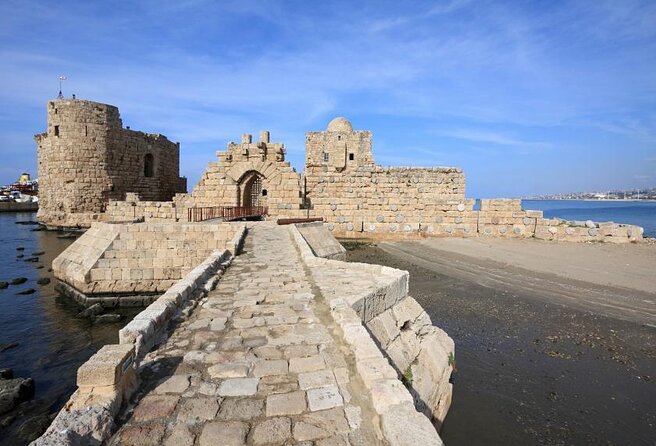
- Sidon’s Crusaders Sea Castle, a fortress story you can actually picture
- Maghdouche’s Lady of Awaiting shrine, with a tower, cathedral, cemetery, and sacred cave
- Tyre’s Al-Bass and UNESCO Hippodrome, Roman entertainment on a big scale
- Local guidance in Tyre, helpful when you are trying to understand what you are looking at
Heading south? Compare these Sidon and Tyre days
- Small-Group Adventure Tour to Sidon Tyre & Maghdouche-Day Trip★ 5.0 · 45 reviews
- Sidon, Tyre & Maghdouche Day Trip – With Lunch (4G on Board)★ 4.5 · 44 reviews
- Sidon – Tyre – Maghdouche Trip, From Beirut★ 5.0 · 25 reviews
- Small Group Tour to Sidon, Tyre & Maghdouche with lunch★ 5.0 · 11 reviews
Why Sidon, Tyre, and Maghdouche Make Sense in One Day
Southern Lebanon has a way of rewarding a tight plan. This day works because it layers three different kinds of places in sequence: a port city that hosted crusader power, a city famous for Roman engineering and world-class architecture, and a shrine tied to a specific faith story.
Sidon and Tyre help you understand Lebanon as a crossroads. Maghdouche adds a totally different mood, more reflective and local. That contrast is one reason people tend to feel they got their money’s worth here, because the day does not blur together.
Also, the time split is sensible. You get shorter, high-impact stops in Sidon and Maghdouche, then you slow down in Tyre where there is more to interpret.
The Real Value of a $65 Day: Tickets, Lunch, and Transfers
At $65 per person, what you are really paying for is the day being handled for you. Tickets and admissions are included for the historical sites, and lunch is included too. You also get hotel pickup and drop-off, so you are not spending your morning figuring out how to reach three separate areas along the coast.
That matters because sites like the Sea Castle and the hippodromes are the kind of places where being late, underprepared, or without context can make the visit feel thin. Here, you have a plan, a guide to explain what you are seeing, and the costs that often pop up at the entrance gate are already covered.
Lunch is also a big deal on a day like this. With an 8-hour total, having a Lebanese lunch included helps keep energy up so you can actually enjoy the Roman stops later, instead of bargaining with your stomach while you rush between locations.
Pickup at 8:00 am, an Air-Conditioned Ride, and a Manageable Pace
The day starts at 8:00 am with hotel pickup. That early start is what makes an 8-hour loop feel doable instead of frantic. You ride in an air-conditioned vehicle, which is a comfort win in the heat, especially when your morning is mostly travel plus outdoor sight time.
The small group size helps the pacing, too. With a maximum of 15, the tour leader can keep an eye on the group and adjust the flow if people want to ask follow-ups. The guide format also matters: you travel with a tour leader throughout the day, then you get local guidance in Tyre where it counts most for understanding ruins.
If you prefer unhurried wandering with long photo breaks, this may feel structured. If you like tight, focused time with explanations, you will likely enjoy it.
Entry sorted in advance
Stop 1: Sidon Sea Castle and the Crusader Fortress on a Causeway
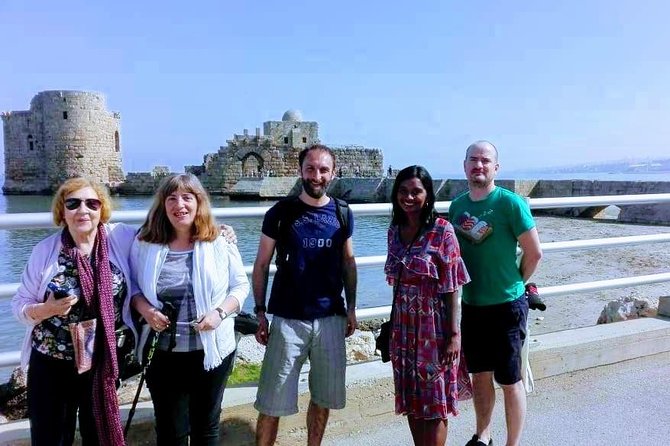
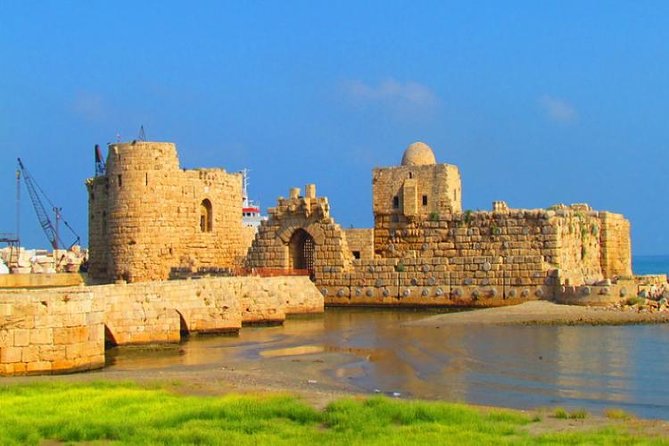
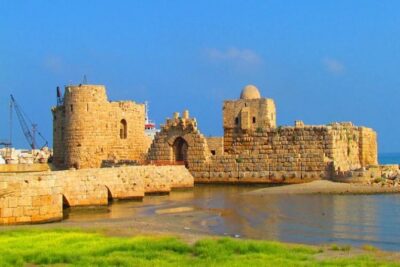
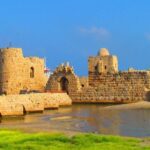
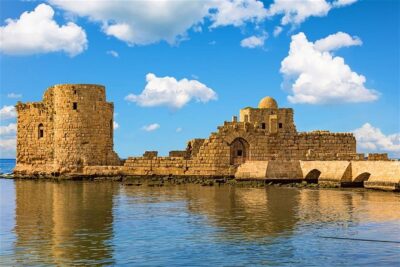
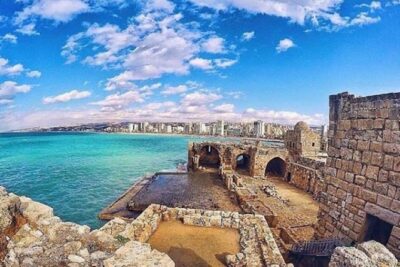
Your Sidon highlight begins with the Crusaders Sea Castle, built by the crusaders in the thirteenth century. The key detail is the setting: it was built on a small island and connected to the mainland by a causeway. That geography is part of the story. A fortress like that is designed to control access, not just to impress.
Here is what makes this stop more than a wall and a view. The castle was largely destroyed by the Mamluks in 1291. Later, Fakhr el-Dine Maan II restored it in the early 17th century. So even though the current look is more ruined than restored, the site holds a timeline of power changes.
Realistically, you have about 30 minutes at this stop, with an admission ticket included. That means you should prioritize what you want to understand. If you want the best experience, treat this as a “get your bearings fast” stop, then use your guide’s explanation to connect the remaining features to the larger story.
Stop 2: Khan al-Franj, a Courtyard Built for Diplomats and Commerce
Next is Khan al-Franj, a major Sidon attraction built in the beginning of the 17th century by Emir Fakhreddine II. The purpose is specific and fascinating: it was designed as a hotel for ambassadors and a center for commercial exchange between Lebanon and France.
Over time, it became a center for literature, religion, history, industry, and diplomacy. That is the kind of list that usually feels vague, but in this case it describes how a trading hub can also become an idea hub. You are looking at a place where languages, documents, trade goods, and faith all met.
Architecturally, it is easy to picture once you know the shape. It is a typical khan with a large rectangular courtyard, a central fountain, and covered galleries around it. You get about 15 minutes here, and admission is free, so it is more of a “see the structure, learn the story” stop than a slow museum visit.
Stop 3: Sidon Souks, Narrow Lanes and the Everyday Trade Scene
Then you head into the Sidon Souks, which function as the retail and craft heart of the city. This is not a staged market. It is a maze of narrow alleys with kiosks, shops, and cafes, plus street merchants and practical trades you can actually name: butchers, grocers, shoe-makers, tailors, and jewelers.
You have about 15 minutes here and no admission ticket, which means you should use the time to do two things: get oriented and decide what you want to look at. If you are curious about local crafts and daily commerce, this short stop can feel surprisingly satisfying because you see the market as a living system, not a backdrop.
If you are sensitive to crowds or want big shopping time, plan expectations. This is a quick cultural and sensory moment, not a full shopping spree.
Stop 4: Maghdouche’s Our Lady of Awaiting Shrine and Its 1721 Story
Maghdouche shifts the atmosphere. You visit the shrine of Our Lady of Awaiting, also known as Our Lady of Mantara, a Melkite Greek Catholic site discovered on 8 September 1721 by a young shepherd.
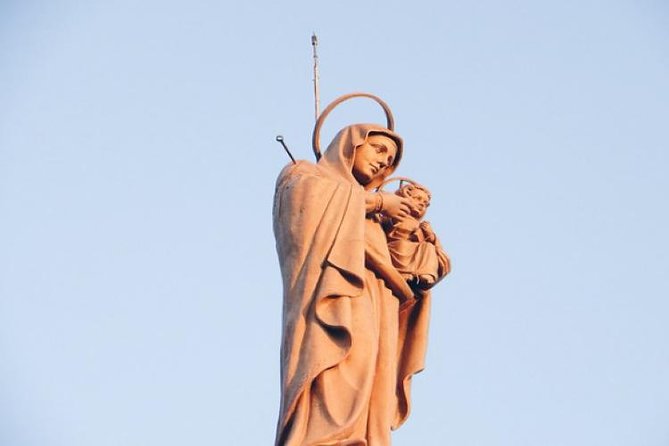
The shrine is described as more than one building. It includes a tower crowned with the statue of the Virgin and Child, a cathedral, a cemetery, and a sacred cave believed to be the place where the Virgin Mary rested while she waited for Jesus. That combination is important for why it feels different from the Roman sites later. You are dealing with faith tradition and physical spaces linked to that story.
You get about 15 minutes and admission is free. That short time is enough for a respectful look at key features, but it is not enough for a long, quiet reflection. If you want calm, you can take a slower approach within the time you have, focusing on one or two areas rather than trying to see everything at once.
Stop 5: Al-Bass Archaeological Site, Roman Spectacle Plus a Necropolis
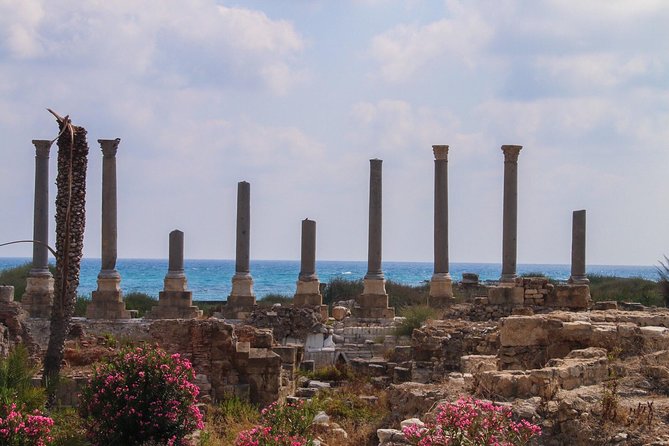
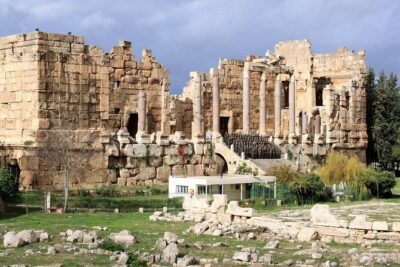
Tyre is where the day starts to slow down in the best way. First, you visit the Al-Bass Archaeological Site, described as the largest and best-preserved Roman hippodrome example.
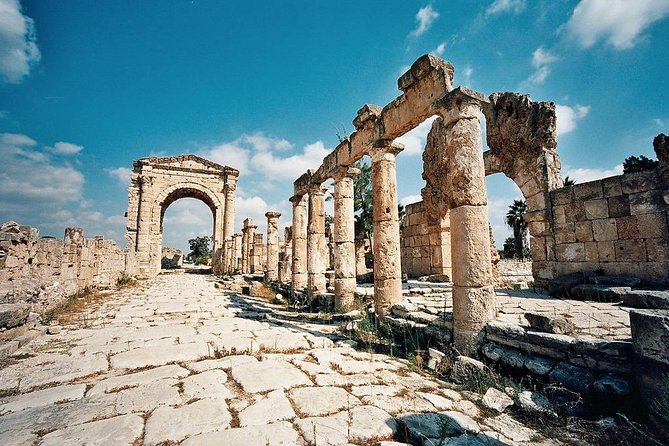
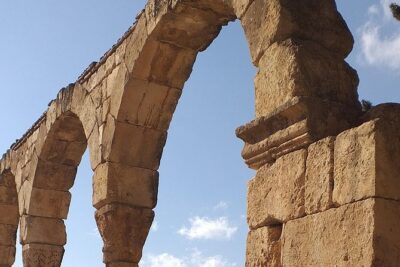
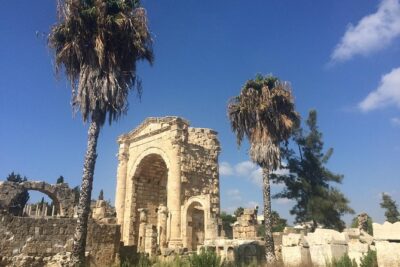
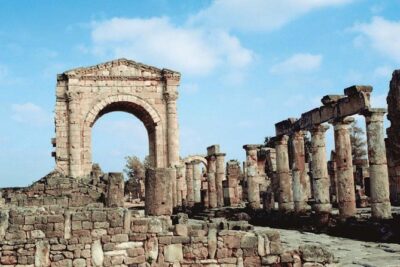
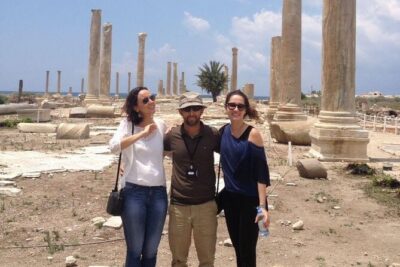
One reason this stop stands out is the setting in the Tyre El Bass sector. You are looking at the principal entrance area in ancient times, with a wide monumental causeway. Dominating the scene is a Roman triumphal arch dating from the 2nd century AD.
The site also includes a necropolis with several hundred well-preserved sarcophagi, along with an intact Roman road and an aqueduct. That pairing is powerful: it mixes the civic and entertainment life of the city with how people were remembered in death. You can look at the layout and sense how urban planning connected everyday life, public spectacle, and burial spaces.
You have about 1 hour here, and admission is included. That extra time compared to Sidon and Maghdouche is what makes sense. Without guidance, a place like this can feel like scattered stones. With a guide, you start to see the logic.
Stop 6: Tyre Hippodrome, UNESCO Roman Architecture You Can Walk Around in
Next is the Tyre Hippodrome, a UNESCO World Heritage site dating to the second century A.D. This is one of the largest and best-preserved Roman hippodromes of its type in the Roman world.
The word hippodrome gets used in travel blurbs, but the practical value of this stop is that you can connect the purpose to the structure. Roman entertainment required space, engineering, and a crowd layout. When you are standing in the remains, the idea becomes much more real than it does in a textbook.
You get about 1 hour here with admission included. If you care about Roman history, this is where your day pays off. I also like that the tour does not rush this section. It gives you time to notice details and listen to what the guide explains about how these sites worked.
Tyre Port and the Two Harbors, What to Notice While You’re There
Tyre is also a working port today, and the contrast is worth paying attention to. Historically, Tyre had two harbors: the Sidonian harbor in the north and the Egyptian harbor in the south.
Today, the port is a busy fisherman’s port. Even so, you can still spot remains of a 750 meter long mole, and you can recognize some ancient buildings underwater. That is the kind of clue that makes modern life feel layered on top of ancient life, and it is a good reminder that you are visiting a living coastline, not just a ruin field.
The tour does not present this as a separate long stop, but it is part of why Tyre feels so special. You get context for what the coast used to do, then you see what it does now.
Lunch on a Long Day: Fueling the Roman Stops
Lunch is included as a Lebanese lunch. On a day that runs about 8 hours, included food helps you avoid the common half-day pitfall: you spend time searching, you skip meals to stay efficient, then you end up tired right when the most interesting sites begin.
I like that the food is built into the plan. It keeps your schedule smoother, and it gives you a chance to refuel after the Sidon and Maghdouche segments so Tyre remains enjoyable instead of exhausting.
Who This Tour Fits Best
This tour is a good match if you want:
- a focused day that covers Sidon, Tyre, and Maghdouche
- included tickets, lunch, and transfers
- a small group experience where you can ask questions
- time spent where it counts most, especially around the Roman remains
It may not fit as well if you want a slow, deep museum-style experience at every site. Sidon and Maghdouche are shorter. Think highlights plus guided context, not all-day lingering.
Should You Book It?
Yes, if your priority is value and momentum. This is the kind of day trip where included entrance fees and lunch mean you can relax and focus on the places themselves. The standout parts are the Crusaders Sea Castle story, the Maghdouche shrine setting, and the longer Roman sections at Al-Bass and the Tyre Hippodrome.
I would especially book this if you like historical sites but do not want to spend your time building routes, hunting ticket prices, or trying to understand ruins without a guide. The local guide in Tyre is a practical bonus, and the small group size helps the explanations land.
If you only want to do one city, you might feel tempted to split the plan. But if you enjoy seeing how one region can hold crusader fortifications, Roman engineering, and 18th-century shrine tradition in the same day, this is a strong choice.
FAQ
What time does the tour start?
The tour starts at 8:00 am, with hotel pickup included.
How long is the tour?
It runs for about 8 hours.
Is lunch included?
Yes. Lunch is included as a Lebanese lunch.
Are site tickets included?
Yes. Tickets or admissions to the historical sites are included, and the Sidon Sea Castle stop includes an admission ticket.
How big is the group?
The tour is limited to a maximum of 15 travelers.
What is the cancellation policy?
You can cancel for free up to 24 hours in advance for a full refund. If you cancel less than 24 hours before the start time, the amount you paid is not refunded.
More of Lebanon, Reviewed
- Guided Small-Group Tour to Baalbek, Anjar and Ksara with Lunch
★ 5.0 · 511 reviews - Guided Small-Group Tour to Jeita, Harissa, Byblos with Lunch
★ 5.0 · 361 reviews - City Sightseeing Beirut Hop-On Hop-Off Bus Tour
★ 4.5 · 87 reviews - Private Anjar and Baalbek Tour from Beirut with Departure Ticket
★ 5.0 · 79 reviews - Guided Private Full Day Tour to Baalbek, Anjar and Chateau Ksara
★ 5.0 · 60 reviews
Elsewhere in Lebanon
- Guided Small-Group Tour to Baalbek, Anjar and Ksara with Lunch
★ 5.0 · 511 reviews - Guided Small-Group Tour to Jeita, Harissa, Byblos with Lunch
★ 5.0 · 361 reviews - Paragliding Trip Over Lebanon – Jounieh Bay
★ 5.0 · 257 reviews - Jeita Grotto,Harissa&Byblos Full-Day PRIVATE-CAR Trip from Beirut
★ 5.0 · 222 reviews - First Paragliding Club in Lebanon – Since 1992
★ 5.0 · 193 reviews
South to Sidon and Tyre
- Small-Group Adventure Tour to Sidon Tyre & Maghdouche-Day Trip
★ 5.0 · 45 reviews - Sidon, Tyre & Maghdouche Day Trip – With Lunch (4G on Board)
★ 4.5 · 44 reviews - Guided Small-Group Tour to Sidon, Tyre & Maghdouche with Lunch
★ 5.0 · 41 reviews - Sidon – Tyre – Maghdouche Trip, From Beirut
★ 5.0 · 25 reviews - Small Group Tour to Sidon, Tyre & Maghdouche with lunch
★ 5.0 · 11 reviews
Other Lebanon trips we have written up
Sidon, Tyre & Maghdouche Day Trips, compared.
 ★ 5.0Small-Group Adventure Tour to Sidon Tyre & Maghdouche-Day TripFrom $6545 reviews
 ★ 4.5Sidon, Tyre & Maghdouche Day Trip – With Lunch (4G on Board)From $9544 reviews
 ★ 5.0Guided Small-Group Tour to Sidon, Tyre & Maghdouche with LunchFrom $6541 reviews
 ★ 5.0Sidon – Tyre – Maghdouche Trip, From BeirutFrom $4525 reviews
 ★ 5.0Small Group Tour to Sidon, Tyre & Maghdouche with lunchFrom $9911 reviews
 ★ 4.5Private Guided Tour to Sidon, Tyre and Maghdouche from BeirutFrom $1009 reviews
 ★ 5.0Lebanon tour Sidon & Tyre ruins with pick-up, guide,lunch+entriesFrom $1559 reviews
 ★ 5.0Temple of Eshmun – Mleeta Landmark – Beaufort CastleFrom $749 reviews
Every list this tour turns up in