
REVIEW · BAALBEK, ANJAR & KSARA DAY TRIPS
Anjar, Baalbeck and Ksara
Roman temples and wine, all in one trip. I like how this day strings together three very different parts of Lebanon, from huge Roman stonework to the Beqaa Valley wine scene. Two standout wins for me are the scale of Baalbeck and the contrast of Anjar’s fortified ruins right before you shift gears to wine.
One thing to plan for: it is an 8 to 9 hour day, so it moves at a steady pace. If you prefer slow sightseeing with lots of breaks, this might feel a bit like a sprint.
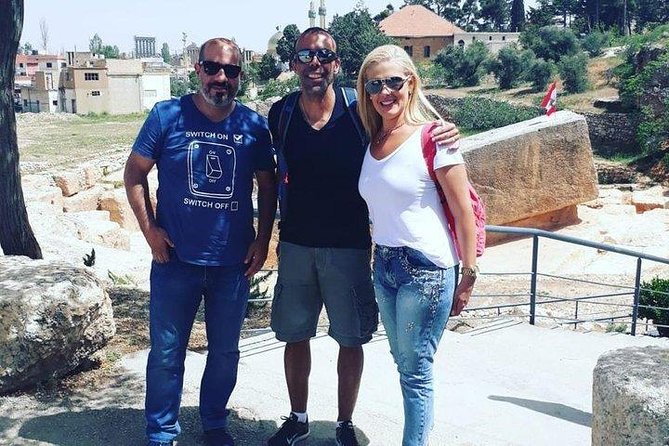
On the guide side, I was reassured seeing how consistently Fadi Eid (Lebanon Tours Online By Fadi Eid) is praised for being punctual, flexible, and easy to communicate with in English. That matters because when you do long drives in and out of Beirut, your day lives or dies on timing and comfort.
In This Review
- Key things that make this tour worth your time
- Baalbeck Roman temples: the Heliopolis sight that feels huge
- A practical note about admissions
- Anjar’s fortified ruins: mosques, palaces, and walls you can see from far away
- How to get more out of the Anjar stop
- Ksara in the Beqaa Valley: wine tasting with a 1857 origin story
- Who will enjoy Ksara most
- Timing, pace, and why the 8 to 9 hour length matters
- What I like about the pacing
- One drawback to consider
- Pickup and comfort: starting point in Beirut and private-group flow
- The guide factor: Fadi Eid
- Price value: is $140 per person fair for this mix?
- My take on whether it is a good deal for you
- What to wear and how to enjoy the ruins without rushing
- A simple way to avoid burnout
- Is this the right tour for you?
- Should you book the Anjar, Baalbeck, and Ksara day trip?
- FAQ
- How long is the tour?
- Where does the tour start and end?
- Do I get pickup from Beirut?
- Is this a private tour?
- Do I need a mobile ticket?
- Is Baalbeck admission included?
- Is there free cancellation?
Key things that make this tour worth your time
- Baalbeck’s Roman scale: massive temple ruins that make Heliopolis feel real, not just textbook history
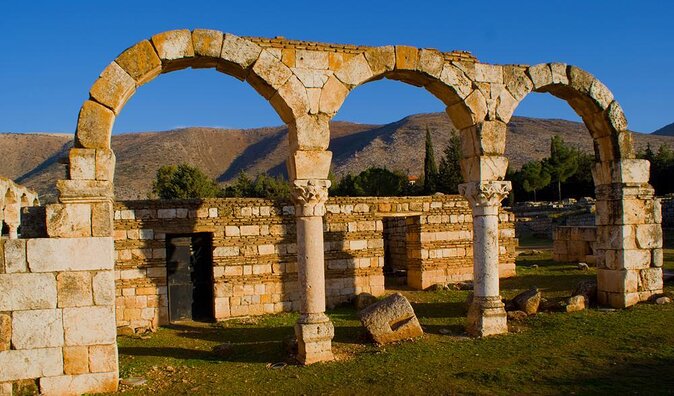
- Anjar’s fortified layout: large stone walls and an urban plan lined with palaces, baths, storehouses, and residences
- Château Ksara wine stop: a tasting tied to the company’s long Jesuit-era roots (founded in 1857)
- Private group format: you and your group only, so you can move with fewer compromises
- Pickup from Beirut: you start from a clear meeting point on Phoenicia Street, with a driver handling the day’s routing
More runs out to Baalbek, Anjar and the Ksara cellars
- Guided Small-Group Tour to Baalbek, Anjar and Ksara with Lunch★ 5.0 · 511 reviews
- Anjar, Baalbek & Ksara Day Trip – With Lunch (4G on Board)★ 4.5 · 181 reviews
- Baalbek – Anjar – Ksara Trip From Beirut★ 4.5 · 80 reviews
- Private Anjar and Baalbek Tour from Beirut with Departure Ticket★ 5.0 · 79 reviews
Baalbeck Roman temples: the Heliopolis sight that feels huge

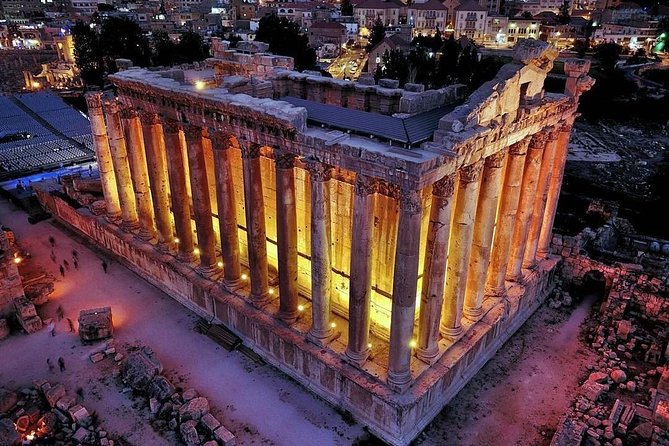
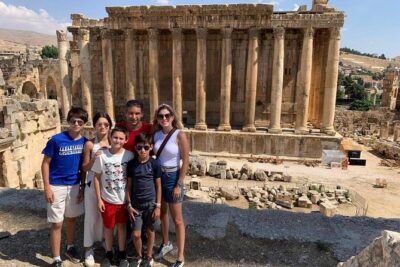
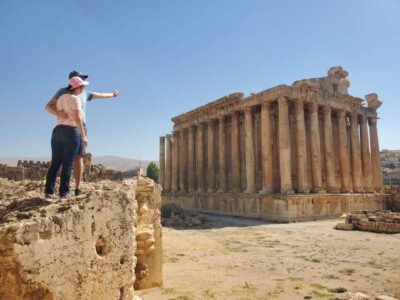
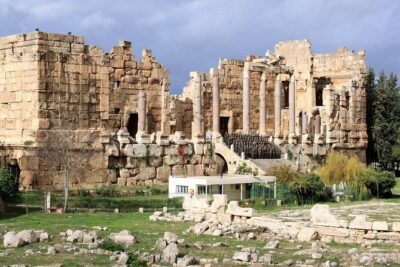
Baalbeck is the headline act, and it earns it. The ruins are described as Lebanon’s greatest Roman treasure, and standing among the surviving temple complex, you get why. This is the Roman city of Heliopolis, and the stone gives you that rare feeling of scale, especially when you can picture how the area once functioned as a major urban center.
What I like most here is how the site mixes architecture and atmosphere. Even if you do not have a deep Roman background, the proportions do the explaining. You can focus on big shapes first, then start catching the details as you walk the grounds.
If you are a photo person, plan for lots of angles. Roman sites like this reward stepping aside from the main paths, but still keep an eye on where you are allowed to go. The day is long, so I treat Baalbeck like a must-do stop you do with energy, not like a quick photo run.
A practical note about admissions
The tour info lists Baalbeck as having admission ticket free. That is a big value lever for a day trip, since entry fees can add up on top of tour prices. Still, I suggest you confirm what is covered when you book, so you know there are no surprises on arrival.
Anjar’s fortified ruins: mosques, palaces, and walls you can see from far away
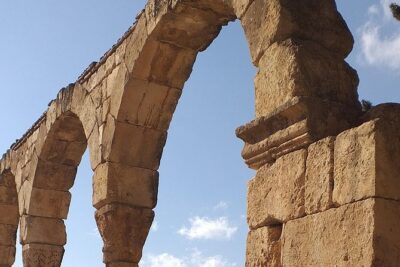
After Baalbeck, Anjar brings a different kind of impact. This is not a single temple, it is an entire ancient city footprint, spread over about 114,000 square meters and surrounded by big, fortified stone walls. The walls are listed as more than two meters thick and around seven meters high, which is the kind of detail that changes how the place feels when you are standing near it.
I love how Anjar’s layout tells a story without needing a long explanation. The city is described as having wide avenues lined with mosques, palaces, baths, storehouses, and residences. That combo helps you picture daily life, not just monuments.



How to get more out of the Anjar stop
Since your time in Anjar is limited by the day schedule, you will get more by doing a quick two-pass approach. First pass, walk the main layout and get oriented, then second pass, slow down at the points that interest you most, like the wall sections and the avenue corridors.
If you like cities and urban planning, this stop is a treat. If you only want the biggest single structures, you might need to adjust your expectations, because Anjar is all about the whole footprint.
Ksara in the Beqaa Valley: wine tasting with a 1857 origin story
Then you shift from stone to vines, and it feels like a reset for the senses. Château Ksara is in Lebanon’s Beqaa Valley, and the tour frames it as a wine company with Jesuit roots. It was founded in 1857 by Jesuit Priests, and the company developed the first dry wine in Lebanon, which is the kind of historical hook that gives your tasting more meaning.
What you can expect here is the wine part, since the tour is built to include tasting before you return to Beirut. Even if you are not a “wine expert,” this is still a good cultural stop because you get to connect the Lebanese landscape to a product people actually drink and talk about.
Who will enjoy Ksara most
You will likely enjoy it most if you like food-and-drink experiences that are connected to place. This is also a solid option if your day needs a break from walking ruins, because a tasting setting usually lets you slow down a bit.
Because the tour data does not spell out the exact number of pours or whether there is a formal tour of the cellars, I suggest you treat the visit as wine tasting time first. If you have specific wine preferences, bring them up when you book.
Timing, pace, and why the 8 to 9 hour length matters
This is an 8 to 9 hour day trip from Beirut. That duration is not short, so it helps to pack your brain for a full day: drive time, walking time at ruins, and then a winery stop.
The operator lists hours from 8:00 AM to 5:00 PM, Monday through Sunday (with dates running from 2019 through 2026). Practically, that supports the idea that this is designed as a daytime excursion, not a late-night event.
What I like about the pacing
The route makes sense because Baalbeck and Anjar are both ruins built around major historical city patterns, so your “story brain” stays engaged. Then the Ksara stop acts like a payoff, letting you finish with something you can taste.
One drawback to consider
If you hate driving days, or if you get tired from consecutive walking stops, you might feel the pressure. This tour is best when you accept that it is one big loop, not a series of separate mini trips.
Pickup and comfort: starting point in Beirut and private-group flow
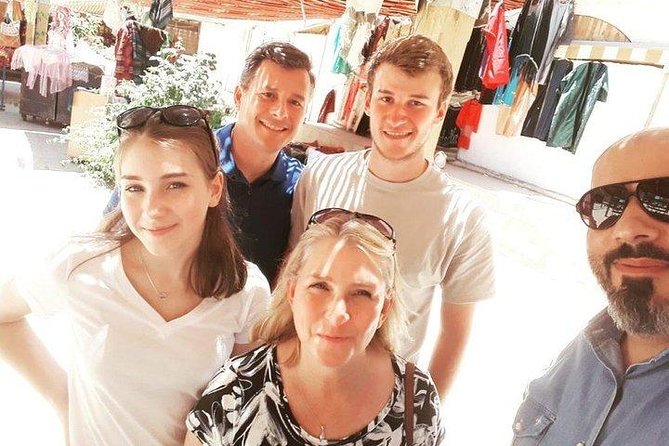
The meeting point is Promedz Lebanon S.A.L, Phoenicia Street, Sfeir Building, with the provided location marker in Beirut. The activity ends back at the same meeting point, so you get a clear loop.
Pickup is offered, which is a big deal for Lebanon day trips, because getting out of Beirut on your own can eat time. The tour is also listed as private, meaning only your group participates. In real terms, private usually means fewer slowdowns from regrouping and more flexibility when the schedule needs to adjust.
The guide factor: Fadi Eid
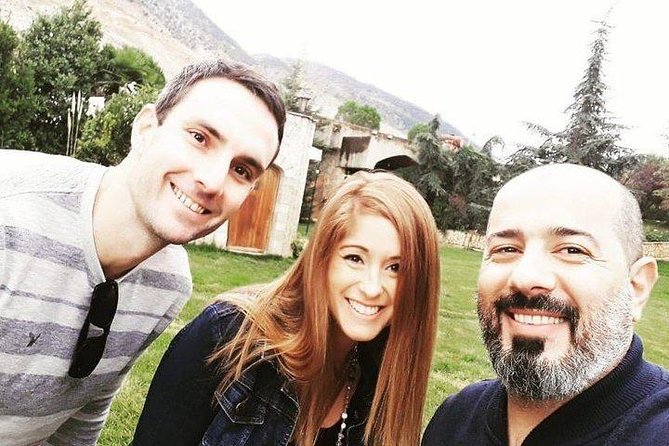
From the information you have, the experience provider is Lebanon Tours Online By Fadi Eid. Across the written praise you provided, Fadi is repeatedly described as punctual, adaptable, and strong in English. That is not just nice to hear, it matters because Baalbeck and Anjar both involve time-sensitive sightseeing, and a driver who stays on schedule protects your enjoyment.
I also like that people describe the vehicles as pristine and the service as responsive on WhatsApp. If your day has any special timing needs, that kind of communication style can save you stress.
Price value: is $140 per person fair for this mix?
At $140 per person, the value comes from what is bundled into the day. You are paying for transportation, a private format, and the structure that gets you from Beirut to major sites without doing logistics yourself. The tour also lists mobile ticket and pickup offered, which usually simplifies the start of your day.
The biggest value clue is the Baalbeck detail that admission is listed as free. Even if you do not track every euro worth of spend, removing entry costs from the equation helps make the price feel more reasonable.
Then you add the wine tasting at Château Ksara, which is exactly the kind of activity that would cost extra if you booked it separately. When you combine ruins plus a winery tasting, $140 can feel like a straightforward day rate, not an inflated tour markup.
My take on whether it is a good deal for you
If you want the “greatest hits” of this region in one go, it is a strong fit. If you plan to spend your day independently and already have a driver lined up, the value could be less obvious. For most people, the convenience and private flow are what justify the price.
What to wear and how to enjoy the ruins without rushing
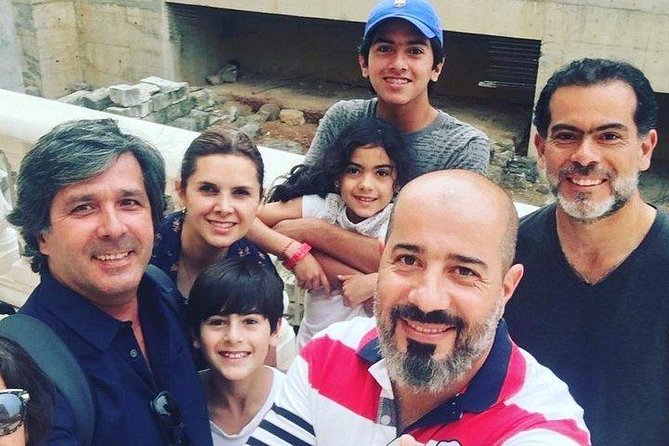
You will be walking around ancient outdoor sites, so wear comfortable shoes with grip. Bring sun protection if the weather is bright, because ruins areas tend to have limited shade.
For clothing, think practical, not fancy. You will want something breathable for the day and easy enough to move in while you climb stairs or step around uneven ground.
A simple way to avoid burnout
Use this rhythm: spend the first part of each ruin stop doing orientation, then do photos and details after you know where you are. That keeps you from backtracking and helps the day feel smoother.
If you want to maximize the wine stop, pace your walking earlier in the day. By the time you reach Ksara, you will appreciate sitting down and enjoying the tasting.
Is this the right tour for you?
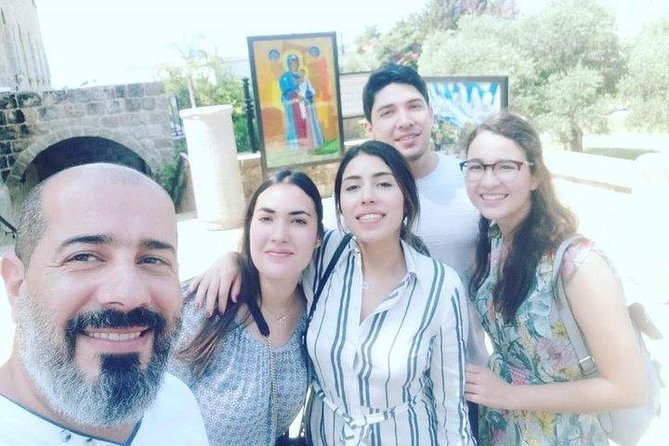
This is a good match if you want a single day that mixes Roman mega-ruins, a fortified ancient city footprint, and a real wine tasting finish. It also suits couples, small groups, and anyone who values a private day plan with a dependable driver-guide like Fadi Eid.
You might want to think twice if you dislike full-day itineraries or if you want long, slow museum-style time. This tour is structured for seeing major sites, not for lingering all afternoon.
Should you book the Anjar, Baalbeck, and Ksara day trip?
I would book it if your priority is efficient, high-impact sightseeing that still ends with something enjoyable to taste. Baalbeck gives you the wow factor, Anjar adds a smart contrast with its walled-city layout, and Ksara gives you a cultural payoff tied to the Beqaa Valley.
If you book, ask about what the Baalbeck admission free note includes, and confirm the tasting format at Château Ksara. For a day that long, clarity removes stress and lets you focus on the sites.
FAQ
How long is the tour?
It runs about 8 to 9 hours.
Where does the tour start and end?
It starts at Promedz Lebanon S.A.L on Phoenicia Street, Sfeir Building in Beirut, and it ends back at the same meeting point.
Do I get pickup from Beirut?
Yes, pickup is offered.
Is this a private tour?
Yes, it is private, and only your group will participate.
Do I need a mobile ticket?
Yes, the tour includes a mobile ticket.
Is Baalbeck admission included?
The tour information lists admission ticket free for Baalbeck.
Is there free cancellation?
Yes, you can cancel up to 24 hours in advance for a full refund.
Elsewhere in Lebanon
- Guided Small-Group Tour to Baalbek, Anjar and Ksara with Lunch
★ 5.0 · 511 reviews - Guided Small-Group Tour to Jeita, Harissa, Byblos with Lunch
★ 5.0 · 361 reviews - Paragliding Trip Over Lebanon – Jounieh Bay
★ 5.0 · 257 reviews - Jeita Grotto,Harissa&Byblos Full-Day PRIVATE-CAR Trip from Beirut
★ 5.0 · 222 reviews - First Paragliding Club in Lebanon – Since 1992
★ 5.0 · 193 reviews
Baalbek and the Bekaa, Compared
- Guided Small-Group Tour to Baalbek, Anjar and Ksara with Lunch
★ 5.0 · 511 reviews - Anjar, Baalbek & Ksara Day Trip – With Lunch (4G on Board)
★ 4.5 · 181 reviews - Baalbek – Anjar – Ksara Trip From Beirut
★ 4.5 · 80 reviews - Private Anjar and Baalbek Tour from Beirut with Departure Ticket
★ 5.0 · 79 reviews - Guided Private Full Day Tour to Baalbek, Anjar and Chateau Ksara
★ 5.0 · 60 reviews
Other Lebanon trips we have written up
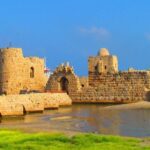
Baalbek, Anjar & Ksara Day Trips, compared.
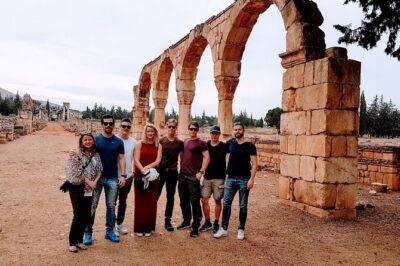 ★ 5.0Guided Small-Group Tour to Baalbek, Anjar and Ksara with LunchFrom $65511 reviews
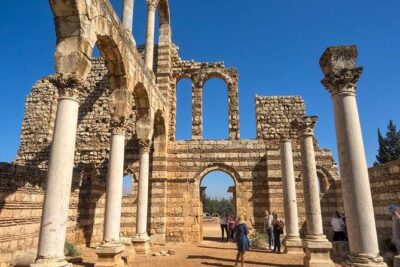 ★ 4.5Anjar, Baalbek & Ksara Day Trip – With Lunch (4G on Board)From $95181 reviews
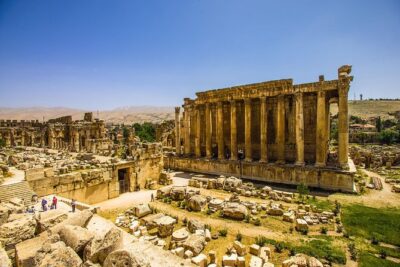 ★ 4.5Baalbek – Anjar – Ksara Trip From BeirutFrom $3480 reviews
 ★ 5.0Private Anjar and Baalbek Tour from Beirut with Departure TicketFrom $7579 reviews
 ★ 5.0Guided Private Full Day Tour to Baalbek, Anjar and Chateau KsaraFrom $10060 reviews
 ★ 5.0Lebanon tour Baalbek ruins & Ksara w/pick-up, lunch,guide+entriesFrom $13035 reviews
 ★ 4.9Baalbek Temples & Ksara Caves w/pick-up,guide, entries+lunchFrom $14034 reviews
 ★ 5.0Small Group Tours to Baalbek, Anjar & Chateau Ksara with lunch and TicketsFrom $7529 reviews
Every list this tour turns up in