
REVIEW · BAALBEK, ANJAR & KSARA DAY TRIPS
Anjar, Baalbek & Ksara Day Trip – With Lunch (4G on Board)
One day, three time periods, big wow factor. I like how this route strings together Baalbek’s Roman temples and Chateau Ksara wine caves without wasting your day. You’ll also get guided context that helps the ruins and the winery snap into place fast. The main thing to consider is pacing, since a full loop from Beirut means long bus hours and limited time inside each stop.
What I especially like is the on-the-ground flow: you start with Anjar’s Umayyad ruins, hit Baalbek’s monumental Temple of Jupiter and Temple of Bacchus, then cool off underground at Ksara. Guides such as Natasha and Lucy come across as confident and fun, and one guide (Fadi) is praised for answering lots of Lebanon questions along the drive. The only downside I’d flag is group size variability, since a larger crowd can slow departures and push lunch later.
In This Review
- Key points to know before you go
- Why this Baalbek, Anjar and Ksara loop makes sense from Beirut
- Morning departure and how the day stays organized
- Stop 1: Anjar’s Umayyad ruins, gates and arcades you can read
- Stop 2: Baalbek temples, Temple of Jupiter and Bacchus in human-scale time
- Lunch in the Bekaa: Lebanese meze that actually fills you up
- Stop 3: An Underground break at Chateau Ksara, wine caves in Zahle
- Timing, group size, and the real bus-day trade-off
- Price and value: does $95 buy enough?
- Who this day trip is best for
- What to pack and how to make the most of your time
- Should you book this Baalbek, Anjar and Ksara day trip?
- FAQ
- What is the duration of the Anjar, Baalbek and Ksara day trip?
- What time does the tour start, and where is the meeting point?
- Is hotel pickup included?
- What languages are the guides?
- What’s included for lunch?
- Are entrance fees included?
- Is there wine involved at Chateau Ksara?
- What happens if the weather is bad?
- How physically active is the tour?
Key points to know before you go
- Baalbek time for the main sights: about 2 hours to see Temple of Bacchus and Temple of Jupiter, plus breathing room to take photos.
- Anjar as a “palace-city” walk: roughly 1 hour covering gates, arcades, and a mix of Hellenistic and Roman-style elements.
- Ksara caves under the winery: a winery tour and tasting in Zahle, with time to see how the cellar works.
- Lunch is included, meze style: a set Lebanese lunch with mezzes, a main dish, plus fruit or dessert and one soft drink.
- Coach comfort and on-board connectivity: air-conditioned transport, bottled water, and WiFi on board (the tour is also marketed as having 4G on board).
- Real-world guide help: reviewers mention guides who can assist with practical things like souvenir picking and keeping you informed.
More runs out to Baalbek, Anjar and the Ksara cellars
- Guided Small-Group Tour to Baalbek, Anjar and Ksara with Lunch★ 5.0 · 511 reviews
- Anjar, Baalbek & Ksara Day Trip – With Lunch (4G on Board)★ 4.5 · 181 reviews
- Baalbek – Anjar – Ksara Trip From Beirut★ 4.5 · 80 reviews
- Private Anjar and Baalbek Tour from Beirut with Departure Ticket★ 5.0 · 79 reviews
Why this Baalbek, Anjar and Ksara loop makes sense from Beirut
This trip is basically a greatest-hits drive through two major eras of Lebanon. You get Roman monumental architecture at Baalbek, an Umayyad-era planned city at Anjar, then wine culture in the Bekaa Valley at Chateau Ksara. If you like travel that tells a story, not just checks boxes, this order works.
Starting with Anjar is smart because it gives your brain an “arrival point” before Baalbek. Anjar feels different. It’s not about one single giant temple. It’s about a city layout, gates, arcades, and the sense of a place that was meant to impress.
Then Baalbek hits you with scale. Even if you think you know Roman ruins, Temple of Jupiter’s podium and the huge stone foundations do something to your sense of size. It’s one thing to read about it, and another to stand there and look up.
Finally, the wine caves give you a natural break. Baalbek can be sun-heavy. Ksara is underground. It’s the kind of stop that makes the full day feel like it has balance: walk, look, sit, sip, and cool down.
Morning departure and how the day stays organized
You start from Nakhal Tourism and Travel in Beirut at 8:30 am. The day runs about 9 hours, so plan for a long, single-day flow rather than a relaxed wander.
Transport is by air-conditioned coach, and that matters here. You’re crossing the Lebanese countryside to the Bekaa Valley, and summer heat can make slow days feel worse. The coach setup also keeps transfers easy between the three main stops.
You also get bottled water and WiFi on board, which is handy if you want to look up what you’re seeing or just keep your phone charged and your group chat alive. The tour is marketed as having 4G on board, and WiFi is confirmed, so you should have decent connectivity for a day trip.
One practical note: pickup is offered only for guests staying in hotels within Beirut city, not hostels, Airbnb, or private apartments. If you’re not in the standard pickup zone, you’ll want to plan on getting to the meeting point yourself.
Stop 1: Anjar’s Umayyad ruins, gates and arcades you can read
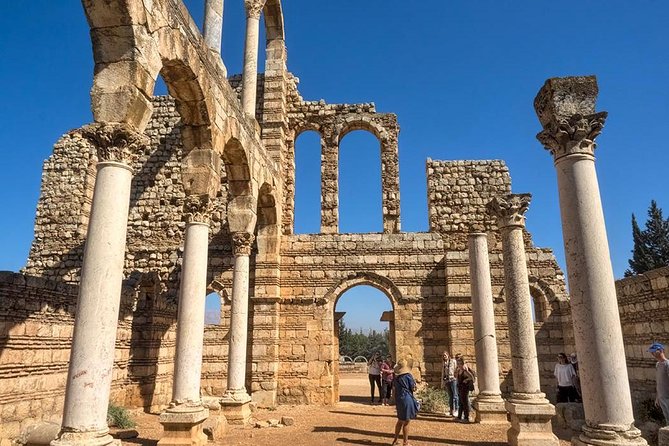
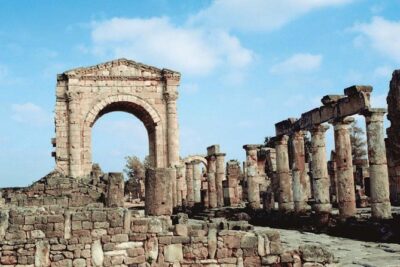
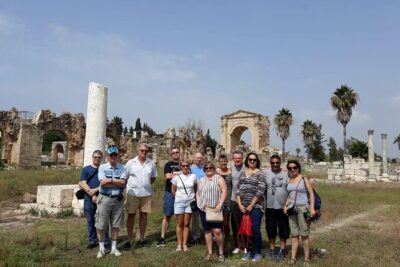
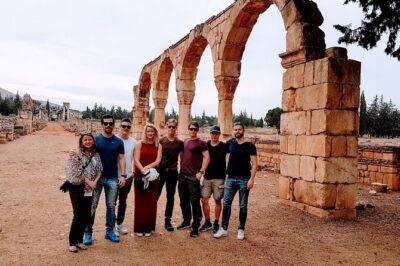
Anjar is the warm-up stop, and it’s a good one. You get about 1 hour here, with an admission ticket included. It’s the Umayyad city of Anjar, often described as a palace-city, ruled by the Umayyad dynasty in the 8th century.
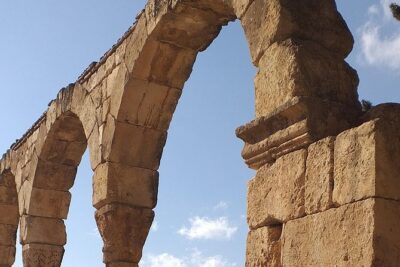
What you’re looking at is the remains of a planned urban complex. You’ll spot ruined temples, but the draw is the overall “city design” feeling: gates, arcades, and a layout that mixes influences. The tour highlights that many elements show Hellenistic and Roman style, which helps you connect Anjar to the broader world of the Mediterranean.
This is also a stop where your guide can change your experience. When you hear why certain stones and shapes mattered, the ruins feel less random and more intentional. One review vibe that comes up repeatedly is guides keeping the commentary moving, and this stop is where that works well because you’re still fresh.
Time pressure is the only real consideration. With just an hour, you won’t see everything if you get absorbed in every corner, but you will get enough to understand the main structure and feel like you’ve had a real stop, not a quick drive-by.
Trips where the mezze stop is part of the deal
Stop 2: Baalbek temples, Temple of Jupiter and Bacchus in human-scale time
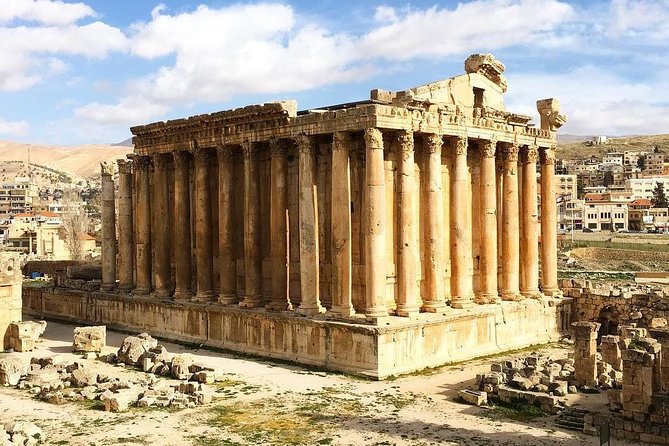
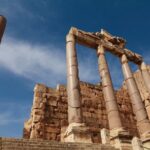
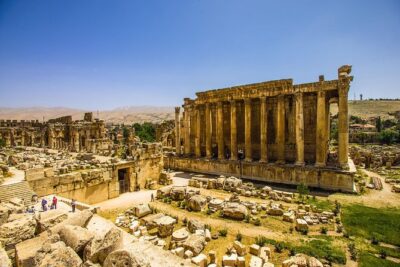
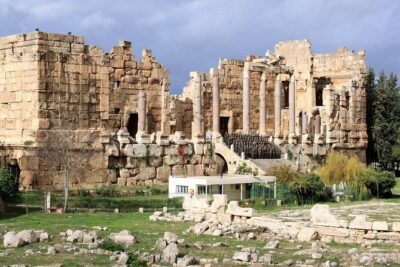
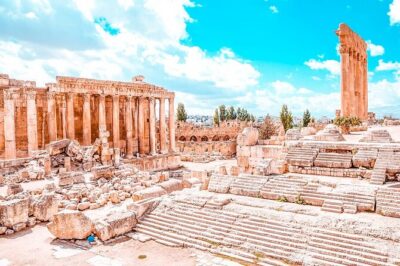
Baalbek is the headline. You’ll spend about 2 hours at the temples, with admission included. The site is known to the Romans as Heliopolis, and it’s made up largely of Roman-era temples and structures.
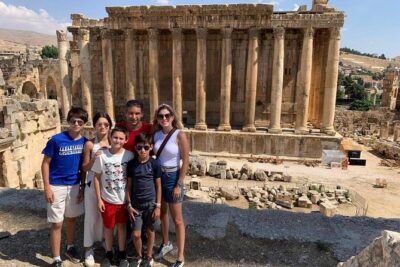
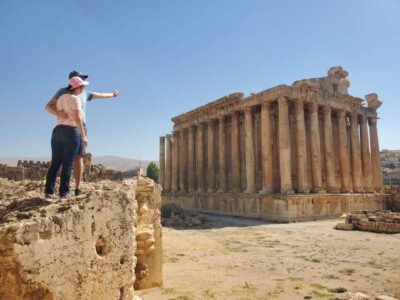
Two names you’ll hear and should look for are Temple of Bacchus and Temple of Jupiter. Temple of Jupiter sits on a massive podium, and the courtyard around it is part of why Baalbek feels so intense. It’s hard not to picture ceremonies and crowds when you’re standing in the same space and staring at the scale.
Baalbek also has that “how did they do it?” factor. The tour includes commentary on the mystery of gigantic stones used as foundations for earlier temples. The size and weight have long confounded scholars, and the site makes you understand why people argue about logistics even now.
Here’s what you can do to make the most of your two hours:
- Pick one or two areas to linger on. If you try to rush every viewpoint, you’ll miss the emotional punch.
- Take photos, then step back. Baalbek looks best when you slow down enough to compare the podium scale to your own height.
The drawback is the obvious one: walking around a major archaeological site means sun, uneven ground, and attention span. Wear comfortable shoes and bring your water. The coach provides bottled water, but you’ll still want to manage your own hydration while you’re out on the stones.
Also, if you get a larger group day, departures can lag slightly. One review described delayed lunch because of a busy schedule and traffic, which matters because it squeezes the rest of the day. Still, the core experience at Baalbek is why most people book, and it’s consistently described as jaw-dropping.
Lunch in the Bekaa: Lebanese meze that actually fills you up
Lunch is included, served after Baalbek. It’s a Lebanese set menu built around meze. The structure is Lebanese mezze, a main dish, then fruits or dessert, plus one soft drink.
This lunch format is practical for a day trip. Meze means you can sample without committing to one heavy meal, and you won’t feel “stuck” if you eat slowly. Most of the food is meant to work as shared plates, which is ideal when you’re traveling with a group.
A couple of helpful details from real-world feedback: some lunches are described as having lots of meat, while others also mention vegan care. That tells me the restaurant handling can vary, but the operator seems to manage dietary needs when possible. If you have strong dietary requirements, it’s smart to communicate clearly during booking or ask your guide directly on the day.
If the day runs late, the biggest issue is that you might wait longer than you want. One review said lunch got pushed as far as late afternoon when the group ran behind. The upside: when it does land on time, lunch is repeatedly praised as delicious.
Stop 3: An Underground break at Chateau Ksara, wine caves in Zahle
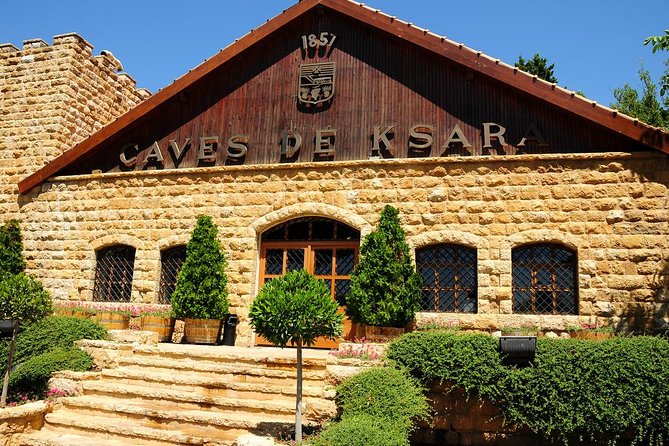
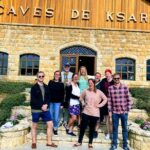
Ksara is where the day changes tempo. You travel into the Bekaa Valley to Ksara (Zahle area), and you’ll spend about 1 hour with Chateau Ksara. This stop includes a winery tour, seeing the caves, and wine tasting.
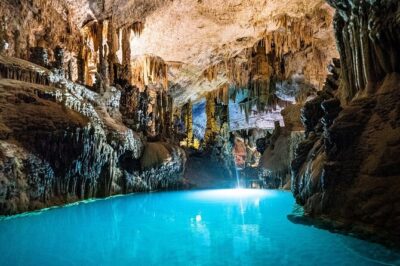
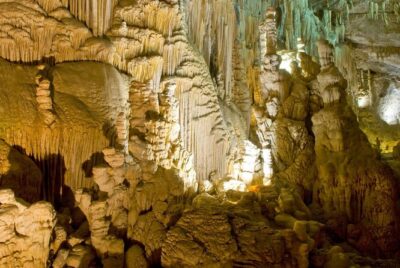
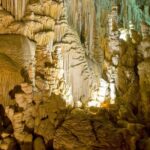
Ksara caves were discovered in 1898, and the tour frames them as ancient caverns used as wine cellars. The key experience here is going underground where the climate and space shape winemaking storage. Even if you’re not a wine expert, it’s a fascinating way to understand how wine culture is tied to geography.
You’ll see the thousands of bottles stored in the cave cellars. That visual is what most people remember because it feels like a snapshot of time, not just a production room. Then there’s the winery tour and tasting, which makes it feel less like a museum stop and more like you’re experiencing a living tradition.
One more practical upside: Ksara is less physically demanding than the ruins. If you want a day trip that includes some walking but gives you a rest, this is your reset button.
If you’re shopping, pay attention. One review specifically calls out that a guide helped pick better-quality souvenirs, and the experience at the winery store is part of what you’ll likely encounter in this hour.
Timing, group size, and the real bus-day trade-off
This is a single-day loop, so you trade time. You get three major stops instead of one deep experience, which is great if you have limited days in Beirut. The bus time can feel long, but the day stays active because the guide fills the travel with explanations.
One repeated theme from reviews is that guides do a strong job keeping the ride useful. Names that came up in feedback include Natasha, Lucy, Fadi, and Waleed. People also mention WiFi working in the car, which helps you relax between stops.
Group size is the only variable that can change how smooth things feel. The tour is advertised with a maximum of 25 travelers, but one review described a larger group and said delays increased because it took longer to leave on time. If you’re the type who hates waiting, I’d take this as a caution: arrive with patience, and don’t schedule anything right after your return.
Price and value: does $95 buy enough?
At $95 per person, you’re paying for transport, a licensed guide, entrance fees, lunch, and the winery experience, all within about 9 hours.
Here’s why the value can feel fair:
- Entrance fees are included for the sites on the route.
- Lunch is included and structured as a set menu with meze plus a main and fruit or dessert.
- The visit to Chateau Ksara includes both a winery tour and wine tasting, not just a quick look from outside.
- You also get an air-conditioned coach plus bottled water and on-board WiFi.
If you tried to do this on your own, you’d still need a driver or multiple taxis, plus entrance fees at Baalbek and Anjar, plus a winery visit and lunch. So the real question is comfort and efficiency, not just ticket math. Reviews repeatedly praise the professionalism of driver and guide and the sense that the day runs on time.
So for $95, this is a strong “get the highlights” deal, especially if your time in Beirut is tight.
Who this day trip is best for
This is a great fit if you want:
- A clear route with a guide to connect Roman and Umayyad sites to what you’re seeing.
- One winery visit with a real cave cellar experience.
- A included lunch so you’re not hunting for food during a time-crunched day.
It can also work well for couples and small groups because you’re together all day, and guides often keep the experience moving without making you feel rushed.
If you need a very slow pace, this trip might feel packed. Two hours at Baalbek, one hour at Anjar, one hour at Ksara, plus driving time, means you won’t have unlimited wandering. For history fans, that’s usually a plus. For people who want quiet and solitude, you may feel a bit “scheduled.”
What to pack and how to make the most of your time
You’ll be outside at archaeological sites, then underground at the caves. Bring the basics:
- Comfortable walking shoes for uneven ground.
- Sun protection, since the ruins can be exposed.
- Water, even though the coach provides bottled water.
- A light layer, since cave temperatures can feel cooler than the outside air.
Also, plan on buying or browsing souvenirs mainly during the times you’re at the sites. Guides in feedback often help people pick good-quality items, which can save you from impulse buys.
Should you book this Baalbek, Anjar and Ksara day trip?
I’d book it if you want a focused day that links three different Lebanon experiences into one easy plan from Beirut. Baalbek is the star, but Anjar gives context, and Ksara gives you a break from the sun while still feeling meaningful because it’s tied to Lebanon’s oldest wine estate.
Skip it or choose a different style if you hate group pacing and long bus rides. Also think twice if you can’t be flexible with timing, since larger groups can slow departures and stretch lunch.
FAQ
What is the duration of the Anjar, Baalbek and Ksara day trip?
The trip lasts about 9 hours.
What time does the tour start, and where is the meeting point?
It starts at 8:30 am. The start and end meeting point is Nakhal Tourism and Travel in Beirut.
Is hotel pickup included?
Pickup is included if you are staying in hotels located within Beirut city. Pickup is not offered for hostels, Airbnb, or private apartments.
What languages are the guides?
The tour includes a professional licensed guide speaking English and French for all-day touring.
What’s included for lunch?
Lunch is a set menu with Lebanese mezze, a main dish, fruits or dessert, and one soft drink.
Are entrance fees included?
Yes, entrance fees for the sites in the program are included.
Is there wine involved at Chateau Ksara?
Yes. You’ll take a winery tour at Chateau Ksara in Zahle, including wine tasting.
What happens if the weather is bad?
The experience requires good weather. If it’s canceled due to poor weather, you’ll be offered a different date or a full refund.
How physically active is the tour?
It’s listed for travelers with moderate physical fitness level.
Days That Include the Mezze
- Guided Small-Group Tour to Baalbek, Anjar and Ksara with Lunch
★ 5.0 · 511 reviews - Guided Small-Group Tour to Jeita, Harissa, Byblos with Lunch
★ 5.0 · 361 reviews - Byblos, Jeita Grotto & Harissa Day Trip -With Lunch (4G on Board)
★ 4.5 · 145 reviews - Semi-Private Tour to Jeita Grotto, Harissa & Byblos with Lunch
★ 5.0 · 52 reviews - Sidon, Tyre & Maghdouche Day Trip – With Lunch (4G on Board)
★ 4.5 · 44 reviews
Elsewhere in Lebanon
- Guided Small-Group Tour to Baalbek, Anjar and Ksara with Lunch
★ 5.0 · 511 reviews - Guided Small-Group Tour to Jeita, Harissa, Byblos with Lunch
★ 5.0 · 361 reviews - Paragliding Trip Over Lebanon – Jounieh Bay
★ 5.0 · 257 reviews - Jeita Grotto,Harissa&Byblos Full-Day PRIVATE-CAR Trip from Beirut
★ 5.0 · 222 reviews - First Paragliding Club in Lebanon – Since 1992
★ 5.0 · 193 reviews
Baalbek and the Bekaa, Compared
- Guided Small-Group Tour to Baalbek, Anjar and Ksara with Lunch
★ 5.0 · 511 reviews - Baalbek – Anjar – Ksara Trip From Beirut
★ 4.5 · 80 reviews - Private Anjar and Baalbek Tour from Beirut with Departure Ticket
★ 5.0 · 79 reviews - Guided Private Full Day Tour to Baalbek, Anjar and Chateau Ksara
★ 5.0 · 60 reviews - Lebanon tour Baalbek ruins & Ksara w/pick-up, lunch,guide+entries
★ 5.0 · 35 reviews
Other Lebanon trips we have written up
Baalbek, Anjar & Ksara Day Trips, compared.
 ★ 5.0Guided Small-Group Tour to Baalbek, Anjar and Ksara with LunchFrom $65511 reviews
 ★ 4.5Baalbek – Anjar – Ksara Trip From BeirutFrom $3480 reviews
 ★ 5.0Private Anjar and Baalbek Tour from Beirut with Departure TicketFrom $7579 reviews
 ★ 5.0Guided Private Full Day Tour to Baalbek, Anjar and Chateau KsaraFrom $10060 reviews
 ★ 5.0Lebanon tour Baalbek ruins & Ksara w/pick-up, lunch,guide+entriesFrom $13035 reviews
 ★ 4.9Baalbek Temples & Ksara Caves w/pick-up,guide, entries+lunchFrom $14034 reviews
 ★ 5.0Small Group Tours to Baalbek, Anjar & Chateau Ksara with lunch and TicketsFrom $7529 reviews
 ★ 5.0Private Tour: Anjar, Baalbek and Ksara Day Trip from BeirutFrom $18720 reviews
Every list this tour turns up in