
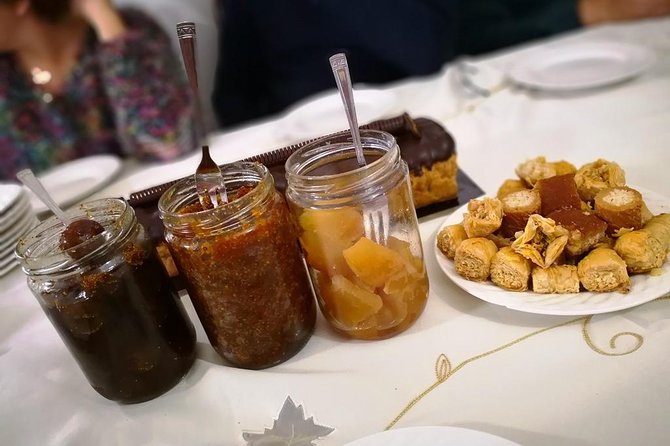
REVIEW · LEBANESE COOKING CLASSES & FOOD TOURS
Authentic Lebanese Cooking Lesson and Meal with Tania’s Family in Beirut
Beirut has a way of feeding your curiosity fast. This private, hands-on Lebanese cooking lesson with Tania’s family turns a normal meal into a real peek at daily life, from garden produce to serious butcher tips. I love the hands-on approach, and I love that you’re cooking with family recipes in an intimate home setting. One thing to consider: there is no hotel pickup, so you’ll need to get yourself to the meeting point in Forn El Chebbak by 11:00.
You’re looking at about 3 hours total, and you’ll leave with the recipes you made, plus ideas for how to buy and prep ingredients like locals do. If you’re the kind of traveler who gets more excited by how food is made than by where a photo was taken, this is a great fit.
In This Review
- Key highlights you will actually care about
- Why Tania’s family kitchen feels like real Beirut, not a show
- Meeting in Forn El Chebbak at 11:00, then going straight to cooking
- Garden produce and food safety: what you learn before the first ingredient hits the bowl
- The five-dish cooking lesson, from dips and eggplant to kibbeh
- Technique you can use at home, especially with eggplant and meat
- The meal finish: home cooking, soft drinks, and a couple of glasses of arak
- Value check: is $100 per person worth it?
- Who should book this Beirut lesson, and who might prefer something else
- Should you book it? My practical take
- FAQ
- How long is the Authentic Lebanese Cooking Lesson and Meal?
- Where do I meet and when does it start?
- Is hotel pickup or drop-off included?
- What’s included with the meal?
- Can I get a vegetarian option?
- What if I have allergies or dietary restrictions?
- What is the cancellation policy?
Key highlights you will actually care about
- Cook five Lebanese dishes hands-on and get feedback as you work, not just watch
- Garden-to-kitchen produce from Tania’s father’s outskirts of Beirut garden, local and organic when available
- Arak included with your meal, plus non-alcoholic drinks, served as part of the family table
- Food safety meets practical cooking, because Tania is an agronomist and food safety specialist
- A true family setting, with Tania’s parents helping host and cook, including a father who is serious about meat
Still hungry? More Lebanese kitchens and food walks
- Authentic Lebanese Cooking Lesson and Meal with Tania’s Family in Beirut★ 5.0 · 62 reviews
- Authentic Lebanese Meal in Beirut in Tania’s Family Home★ 5.0 · 15 reviews
- Full day Tripoli private great guide/all-in + rustic meal★ 5.0 · 7 reviews
- Traveling Spoon Lebanese Mezze Private Online Cooking Class★ 5.0 · 4 reviews
Why Tania’s family kitchen feels like real Beirut, not a show
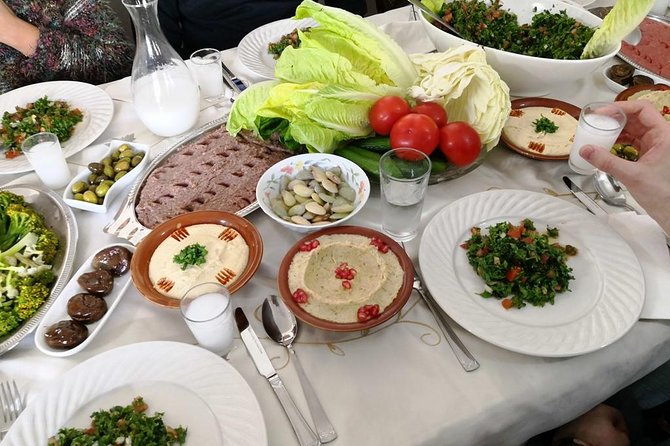
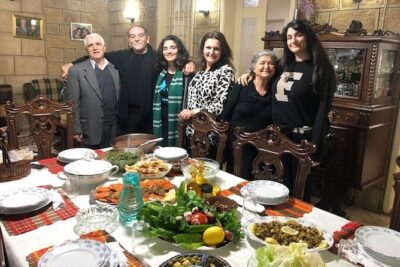
What I like most about this experience is how quickly it stops feeling staged. You’re not in a classroom. You’re in a real home kitchen, where conversation and cooking happen at the same time. Tania is the guide and host, but her family is fully part of it, including her mother, a home chef, and her father, a retired butcher who treats meat the way other people treat a good story, with rules.
Tania herself brings an unusual mix of interests. She’s trained as an agronomist and food safety specialist, and in the middle of recipe talk you also get glimpses of her personality, including that she sings, plays piano, and enjoys traveling. That matters because you’re not just learning what to do, you’re learning why it works. It’s the difference between copying a dish and understanding the ingredients.
For food lovers, this is a strong choice because it blends technique with culture. You’ll chat about Lebanese food traditions as you cook, and you’ll get context you can’t easily find if you try to DIY this from a cookbook and a market run.
Meeting in Forn El Chebbak at 11:00, then going straight to cooking
The tour starts at Forn El Chebbak and returns you back there at the end. Start time is 11:00 am, and there’s no hotel pickup or drop-off. That means you should plan your route like you would for any local outing, not like a guided day trip with a driver.
Practically, that’s good because you arrive, get settled, and move into cooking right away. It also keeps the experience focused on what you came for, learning the dishes and eating the meal with the family. But it also means you should build a little buffer into your schedule so you are not sprinting across Beirut at 10:55.
Once you’re there, you’ll likely begin with a welcoming moment that can include coffee and conversation before hands get messy. From how the experience is described, the atmosphere is warm and social from minute one.
Garden produce and food safety: what you learn before the first ingredient hits the bowl
A big part of the value here is the ingredient story. Tania’s father grows fruits and vegetables in a garden on the outskirts of Beirut, and the home uses produce that is local and often organic. That gives the lesson a different feel than cooking with whatever produce happens to be on sale near a tourist spot.
You also get the benefit of Tania’s background in agronomy and food safety. Even when the lesson stays practical and friendly, the food safety angle shows up in the way ingredients are handled, and in the way you’re encouraged to think about freshness, storage, and preparation. For a traveler, that’s useful because you’ll bring those habits home, not just the flavor.
This is also where the father’s butcher seriousness really comes into play. If meat is part of what you cook, you get clarity on what matters, quality signals, and why certain steps exist in traditional cooking. It’s not about being intimidating. It’s about getting it right.




The five-dish cooking lesson, from dips and eggplant to kibbeh
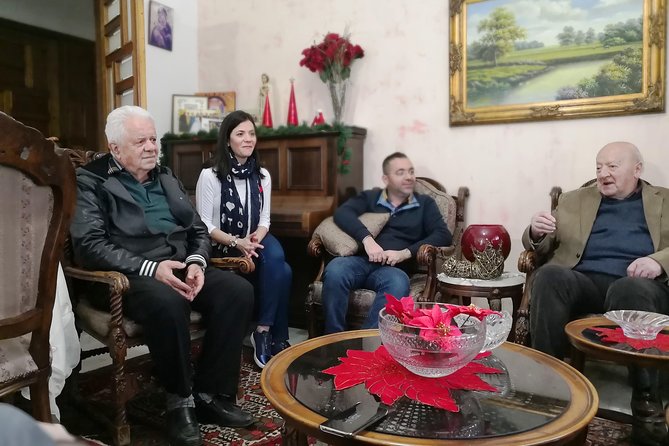
You’ll learn five authentic Lebanese dishes during the hands-on session. Based on what’s described in the experience and the dishes highlighted, you can expect to cook classics that show up across Lebanese tables.
Here are the core dishes that come up most clearly:
- Hummus
- Baba ghanoush (smoky eggplant dip)
- Eggplant salad
- Stuffed zucchini
- Kibbeh
Some groups also mention kibbeh naye, which is a style that often gets attention in Lebanese food conversations. Even if that part varies a bit day to day, the key takeaway for you is that you’re dealing with real technique, not just assembling items. You’re working with textures, moisture levels, and seasoning balance.
What makes the cooking lesson more than a checklist is how the family helps you shape the dish while you cook. Tania’s mother is the home chef with family recipes, so you’re learning from someone who has likely cooked these dishes for years, with preferences that come from experience. You can pick up the small cues, like how to judge doneness and how to adjust flavor as you go, which is exactly where most home cooks struggle when they try to replicate recipes later.
If you come with even a basic curiosity about spices and prep, you’ll have a great time.
Technique you can use at home, especially with eggplant and meat
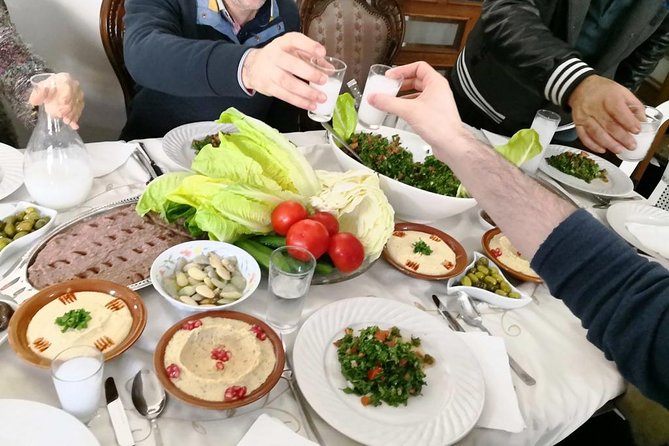
Lebanese food has a few repeat stars, and eggplant is one of them. The lesson’s eggplant-based dishes, including baba ghanoush and an eggplant salad, help you learn what changes flavor the most. With eggplant, the question is usually about how you treat it before it becomes dip or salad. The balance of smoky flavor, softness, and seasoning matters, and you’ll get direction on how to get the texture right.
Stuffed zucchini also teaches a practical lesson that carries over to other cuisines: controlling the filling so it cooks through without turning watery or bland. You’re not just learning a recipe, you’re learning how to keep a dish cohesive.
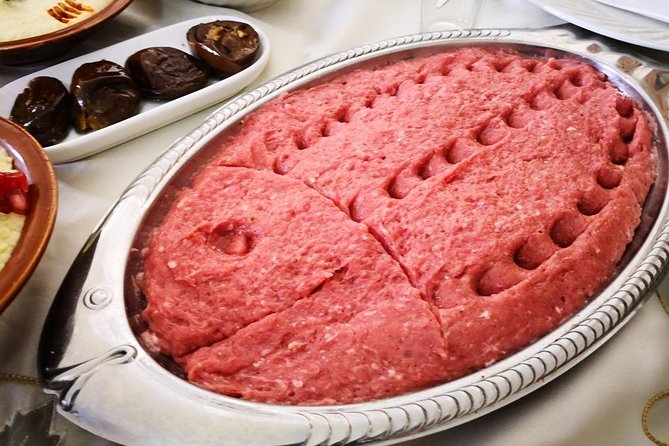
Then there’s kibbeh. Whether you’re making a traditional version or talking about variations like kibbeh naye, you’re getting insight into meat handling and structure. With Tania’s father in the mix, you get the kind of attention that usually only happens in real butcher-led kitchens. It’s the difference between meat that holds shape and meat that turns messy, and that matters for how the dish eats.
Also, Tania is a food safety specialist. So while this feels like a friendly home cooking session, you can pick up better habits for cleanliness and ingredient handling. That’s small, but it’s the kind of thing that makes your final dish taste better and feel safer.
The meal finish: home cooking, soft drinks, and a couple of glasses of arak
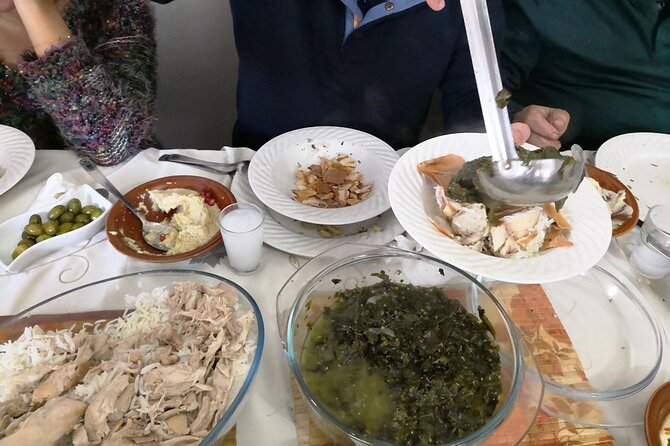
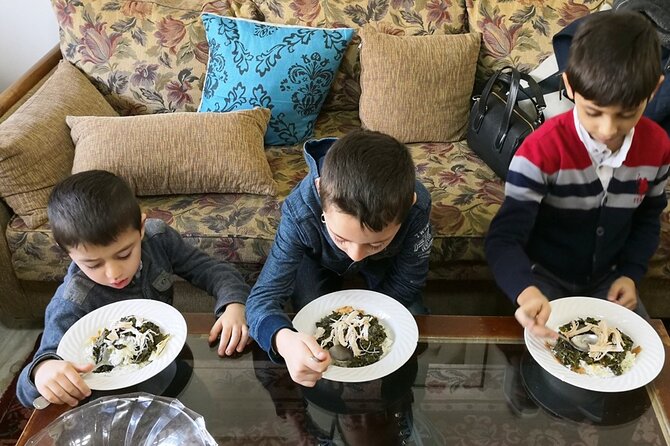
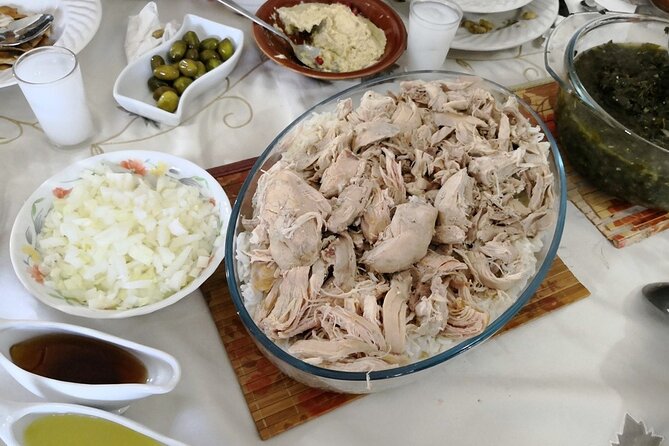
After cooking, you sit down for the meal you made. This is not a tiny snack. It’s a real home-cooked table, with non-alcoholic beverages and local alcohol. The arak portion is described as 1 to 2 glasses, so it’s enough to feel like part of the tradition without turning the evening into a fog.
Arak is not everyone’s choice, especially if you prefer to keep the day alcohol-free. But the setup here is friendly. If you drink, you’re doing it with food and family conversation. If you don’t, you still get the beverages and the meal, and the arak is just part of the overall experience rather than the main event.
What surprised me in how this is described is how much of the meal is about talk. You’ll learn about Lebanese food traditions, and Tania and her family are open about their food industry expertise and business interests. One review specifically mentions that Tania shared insight about her expertise in the food industry and her other ventures, and that kind of personal context can make your time at the table feel like a conversation with someone who genuinely lives the subject.
Come hungry. You’re doing five dishes and then eating the results.
Value check: is $100 per person worth it?
At $100 per person, you’re paying for three things at once: private time, hands-on instruction, and a full meal in a local home. If you compare this to a typical cooking class where you pay for the class but still end up buying your own meal, this stands out because food is included.
You’re also paying for expertise that’s hard to replicate. Tania’s agronomy and food safety background, her mother’s home-chef experience using family recipes, and her father’s butcher seriousness about meat all add practical insight. That translates into better technique, not just more talking.
The private setting also matters. You’re not competing for attention in a big group. You can ask questions while you cook, and you get guidance that helps you correct mistakes early.
One more value point: it’s booked about 14 days in advance on average, which is a hint that the calendar fills up when people want this exact kind of local, home-based experience. If your dates are set, it’s smart to plan ahead.
Who should book this Beirut lesson, and who might prefer something else
This is best for you if:
- You love Lebanese food and want to understand it, not just taste it
- You prefer small, personal experiences over big group tours
- You want to cook dips, eggplant dishes, stuffed vegetables, and kibbeh with real guidance
- You enjoy table talk about food culture, family recipes, and how ingredients come to the home
You might think twice if:
- You need hotel pickup and rely on it to get around
- You want a short, low-energy activity. This is social and hands-on, which means you will be active and focused for the full session
- You’re strictly avoiding alcohol. Arak is included as part of the meal, though the amount is limited, and you still have non-alcoholic beverages
Diet notes are important. If you have allergies or dietary restrictions, you should advise at booking. There is also a vegetarian option available, so you can still get a Lebanese cooking-and-meal experience that matches your needs.
Service animals are allowed, which can make planning easier for people who travel with them.
Should you book it? My practical take
If you want an authentic Beirut day that feels like a real home meal with real cooking instruction, this is a strong yes. The best part is the combination of ingredients and people: garden produce from the outskirts of Beirut, Tania’s food safety and agronomy lens, and her mother’s long experience cooking family recipes. Add a father who’s serious about meat, and you get a cooking lesson that explains how Lebanese food is built.
Book it if you can handle a meeting point in Forn El Chebbak and you like learning through doing. Skip it only if you want something more anonymous, more drop-in, or if you need heavy structure with transportation provided.
FAQ
How long is the Authentic Lebanese Cooking Lesson and Meal?
It runs for about 3 hours.
Where do I meet and when does it start?
The meeting point is Forn El Chebbak, Lebanon, and the start time is 11:00 am.
Is hotel pickup or drop-off included?
No. Hotel pickup and drop-off are not included, and the activity ends back at the meeting point.
What’s included with the meal?
You get the private cooking lesson and the home-cooked meal, non-alcoholic beverages, and local alcohol described as 1 to 2 glasses of arak. All taxes and gratuities are included.
Can I get a vegetarian option?
Yes. A vegetarian option is available, and you should advise at booking.
What if I have allergies or dietary restrictions?
You should tell the provider at booking so they can plan accordingly.
What is the cancellation policy?
You can cancel up to 2 days in advance for a full refund. If you cancel less than 2 full days before the start time, your payment is not refunded.
Cooking Lebanese, Properly
- Private Lebanese Cooking Class in Beirut with Amal + Transfers
★ 5.0 · 20 reviews - Traveling Spoon Lebanese Mezze Private Online Cooking Class
★ 5.0 · 4 reviews
Elsewhere in Lebanon
- Guided Small-Group Tour to Baalbek, Anjar and Ksara with Lunch
★ 5.0 · 511 reviews - Guided Small-Group Tour to Jeita, Harissa, Byblos with Lunch
★ 5.0 · 361 reviews - Paragliding Trip Over Lebanon – Jounieh Bay
★ 5.0 · 257 reviews - Jeita Grotto,Harissa&Byblos Full-Day PRIVATE-CAR Trip from Beirut
★ 5.0 · 222 reviews - First Paragliding Club in Lebanon – Since 1992
★ 5.0 · 193 reviews
Lebanon at the Table
- Private Lebanese Cooking Class in Beirut with Amal + Transfers
★ 5.0 · 20 reviews - Authentic Lebanese Meal in Beirut in Tania’s Family Home
★ 5.0 · 15 reviews - Full day Tripoli private great guide/all-in + rustic meal
★ 5.0 · 7 reviews - Traveling Spoon Lebanese Mezze Private Online Cooking Class
★ 5.0 · 4 reviews
Other Lebanon trips we have written up



Lebanese Cooking Classes & Food Tours, compared.
 ★ 5.0Private Lebanese Cooking Class in Beirut with Amal + TransfersFrom $14220 reviews
 ★ 5.0Authentic Lebanese Meal in Beirut in Tania’s Family HomeFrom $7015 reviews
 ★ 5.0Full day Tripoli private great guide/all-in + rustic mealFrom $997 reviews
 ★ 5.0Traveling Spoon Lebanese Mezze Private Online Cooking ClassFrom $1,0004 reviews
Every list this tour turns up in