
REVIEW · BEIRUT CITY TOURS & WALKS
BEYOND BEIRUT
Beirut is best seen a little sideways. This 6-hour private walking tour takes you past the obvious stuff and into Beirut’s odd corners. I love that it mixes big-name sights with quieter leftovers like small churches and Roman remains, and I also like the way the guide ties today’s streets to the political and personal stories behind them. One possible drawback: this is not a polished, all-comfort version of Beirut, so you should expect raw, imperfect urban scenes.
It’s also a great format if you want real conversation, not a headset tour. The guide is with you the whole time on foot, with a break and photo stops built in, so you can slow down and ask questions. You’ll walk more than you might think, so bring comfortable shoes, water, and a charged smartphone.
In This Review
- Beyond Beirut’s Usual Stops: What Makes This Walk Different
- Starting in Beirut: Pickup Options and First-Impression Reality
- The 6-Hour Walking Plan: Breaks, Photo Stops, and Real Time on Foot
- Mixing Mohammad Al-Amin, Roman Remains, and Raouche Views
- Mohammad Al-Amin Mosque as a reference point
- Ancient Roman Baths for the “how old is this place?” effect
- Raouche and the Pigeon Rocks for sea air and perspective
- Gemmayzeh for Lunch Energy, plus That Sweet Stop After
- Street Art, Old Churches, and the Stories Behind Crumbling Facades
- What the Guide Brings: Joanna’s Style and Why It Shows
- Price and Value: $110 for Up to 4 People
- What to Bring: Shoes, Water, Cash, and a Charged Phone
- Who This Tour Fits Best, and Who Should Skip It
- Should You Book Beyond Beirut?
Beyond Beirut’s Usual Stops: What Makes This Walk Different

Offbeat Beirut, on purpose. Instead of marching you through the same photo spots, the route pushes into overlooked streets, quirky landmarks, and forgotten spaces. That means you spend more time noticing the city’s contradictions, not just ticking boxes.
Big landmarks plus street-level details. You can expect stops that range from major sights like the Mohammad Al-Amin Mosque to smaller textures like Roman mosaics and old religious corners. The point is to see how layers of Lebanon sit on top of each other.
A guide who explains more than facts. One guide named Joanna is repeatedly praised for connecting history to current realities, including Lebanon’s modern political background. If you want context, not just captions, this style tends to work well.
Private group energy. It’s priced for a private group (up to 4 people). That matters in Beirut, where one good question can change the whole route.
Bring-your-own-food mindset. Food and drinks are not included. You are expected to bring water and plan for lunch on your own or follow the guide’s suggestions.
Other walks around Beirut we have reviewed
- PRIVATE Beirut Historical Walking Half Day Tour★ 5.0 · 27 reviews
- Historical Beirut Tour (AM) Half Day – (4G on Board)★ 4.0 · 16 reviews
- Beirut Full Day Walking Tour★ 5.0 · 14 reviews
- Pigeon Rocks Boat Ride Beirut (Raouche Rocks)★ 5.0 · 10 reviews
Starting in Beirut: Pickup Options and First-Impression Reality
The tour meets you in central Beirut with two pickup options: at Beirut or at Beirut Souks. The provider notes pickup is included, and you wait at your hotel lobby or accommodation for the scheduled pickup time. If you’re coordinating with a friend, this kind of simple meeting point is a relief.
Once you’re moving, you’ll shift from “arriving in Beirut” mode to “reading Beirut” mode. That’s where this tour earns its name: it pushes you beyond the easiest, most obvious paths and into streets where the city feels more lived-in.
The 6-Hour Walking Plan: Breaks, Photo Stops, and Real Time on Foot
This is built as a walking tour with entrances included along the way. You’re not just strolling; you’re on a guided route that mixes sightseeing, guided touring, and walks through areas with changing scenery.
Expect a break time during the 6 hours, plus photo stops and scenic views along the way. That’s practical. Beirut is a city where good photos often require patience, and the extra minutes keep you from feeling rushed.
Keep in mind: the tour is not suitable for wheelchair users. If mobility is a concern for your group, you’ll want to rethink the plan or ask the operator if any alternative arrangement is possible.
Mixing Mohammad Al-Amin, Roman Remains, and Raouche Views

One reason this walk is so well liked is the way it blends famous stops with under-the-radar details. You can end up with a day that feels like two tours at once: landmark Beirut and then the city’s quieter afterthoughts.



Mohammad Al-Amin Mosque as a reference point
The Mohammad Al-Amin Mosque gets mentioned as a highlight. Even if you’ve seen photos, being there in person gives you scale and context fast. It also helps you understand why guides keep talking about how public buildings shape a city’s identity.
Ancient Roman Baths for the “how old is this place?” effect
Another stop that comes up is the ancient Roman Baths. This is where Beirut’s timeline becomes obvious in a way that feels tangible. You’re looking at structures that have outlasted countless versions of the city, and the guide’s storytelling is what helps you connect it to everything happening around you now.
Raouche and the Pigeon Rocks for sea air and perspective
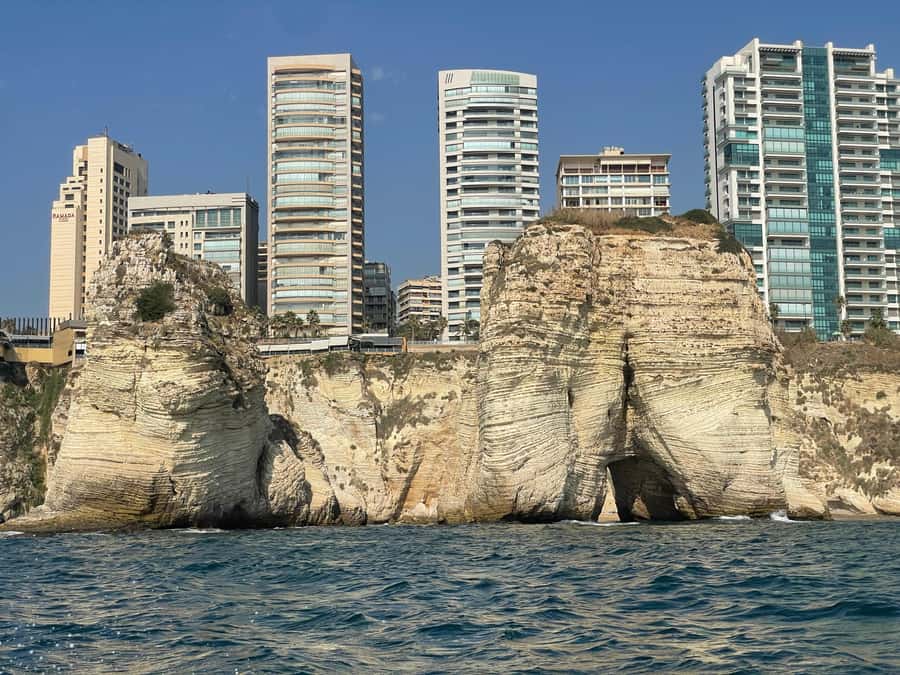
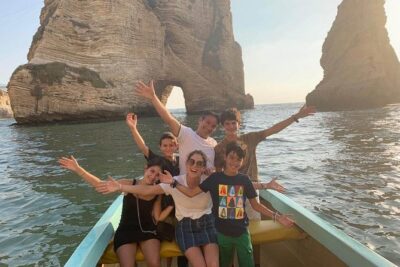
Raouche’s Pigeon Rocks are also part of the memorable mix. Even when you’re not a “rock formation” person, the viewpoint changes your sense of Beirut from street level to horizon level. You get a breather, and the Mediterranean scenery helps reset your legs after a chunk of walking.
Gemmayzeh for Lunch Energy, plus That Sweet Stop After
Food is not included, so you control the moment. The upside is you’re not stuck with a pre-chosen meal that might miss your tastes. Instead, you can follow the guide’s recommendations for where locals actually eat.
Gemmayzeh is specifically mentioned as a standout area, and you’ll likely pass through neighborhoods with lively café culture where the street feels like the meeting place. One highlight that shows up is a delicious lunch in Gemmayzeh, plus a traditional ice cream stop afterward.
That combination matters. When you’re doing a concentrated walk tour, lunch can make or break the day. Having a plan for where to sit, eat, and cool off makes the whole outing feel smoother.
Street Art, Old Churches, and the Stories Behind Crumbling Facades
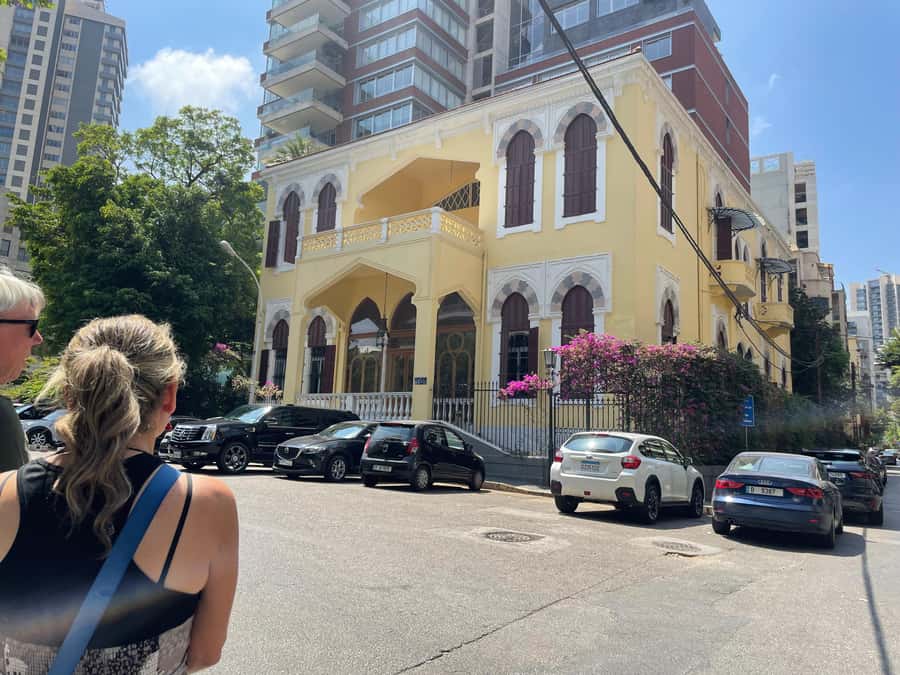
This tour is not about a “clean” route through postcards. It leans into Beirut’s real texture: places where old and new bump into each other, where a wall may show peeling history and nearby storefronts look freshly painted.
You might see things like:
- sprayed wall pictures in unexpected corners
- small churches tucked into quieter streets
- civil buildings that carry ancient ruins within them
- reconstructed areas alongside older Lebanese homes
- cafés and restaurants where people actually spend time
The best part is how the guide connects these details to the city’s modern political background. You don’t just walk past objects, you learn how they ended up there and what they mean today.
What the Guide Brings: Joanna’s Style and Why It Shows
The guide experience is a core reason people rate this tour so highly. Joanna, in particular, is highlighted as warm, friendly, and deeply informed, with stories that make you feel like you’re seeing Beirut from the other side.
What that usually looks like in practice is simple: the guide doesn’t only point. You’ll get context for why a street exists, why a building looks the way it does, and why people talk about certain eras the way they do now.
Another good sign is that the guide also offers practical recommendations beyond the tour itself, like where to go next for sights and restaurants. That turns a 6-hour walk into a head start for the rest of your trip.
Price and Value: $110 for Up to 4 People
At $110 per group up to 4, this is priced like a private experience, not a shared-ride bargain. On paper, that might sound steep if you’re used to per-person rates.
But the value comes from two things you feel right away in Beirut:
1) You get private attention, so the guide can tailor pace and questions to your interests.
2) Entrance fees within the tour are included, and you’re not spending time figuring routes on your own.
If you’re traveling as a couple or with a small group, you’re essentially buying a guided day plus local navigation. For groups of 4, the math works better, especially if you’d otherwise hire multiple separate guides or spend hours trying to stitch together a coherent route.
What to Bring: Shoes, Water, Cash, and a Charged Phone
The tour’s packing list is practical because you’re walking through a city that rewards preparation.
Bring:
- comfortable shoes
- a hat
- a camera
- food and drinks
- water
- cash
- a charged smartphone
The cash tip matters in a place where not every stop is set up the same way. And the charged phone helps for photos, maps, and quick communication if your pickup timing shifts.
Also, plan for the weather. One booking notes weather didn’t cooperate, but the day still worked out and the route was reshaped to match requests. That’s a good sign you won’t be left scrambling if conditions change.
Who This Tour Fits Best, and Who Should Skip It
This is a strong fit if you:
- want an offbeat Beirut route that goes beyond the guidebook centerline
- enjoy history tied to present-day context
- like walking through neighborhoods where you can see everyday life
- prefer a private group pace with a guide who can explain and recommend
It’s not a great fit if you:
- need wheelchair accessibility, since it is not suitable for wheelchair users
- want a low-walking, sit-and-view experience
- prefer a sanitized, strictly curated itinerary
In other words, this is for people who like their travel slightly more human and less perfect.
Should You Book Beyond Beirut?
I’d book it if your goal is to understand Beirut as a living, layered city, not just a set of famous stops. The combination of big sights like the Mohammad Al-Amin Mosque and the Roman Baths, plus sea views at Raouche and the neighborhood energy of Gemmayzeh, makes the day feel varied without losing focus.
You should skip it if you’re expecting a smooth, easy walking day with lots of seating breaks, or if accessibility needs are non-negotiable. Also remember: food and beverages are not included, so treat that as your responsibility and plan for it.
If you want a private 6-hour walk that feels like a smart local friend guiding your eyes, this one is an excellent match.
Elsewhere in Lebanon
- Guided Small-Group Tour to Baalbek, Anjar and Ksara with Lunch
★ 5.0 · 511 reviews - Guided Small-Group Tour to Jeita, Harissa, Byblos with Lunch
★ 5.0 · 361 reviews - Paragliding Trip Over Lebanon – Jounieh Bay
★ 5.0 · 257 reviews - Jeita Grotto,Harissa&Byblos Full-Day PRIVATE-CAR Trip from Beirut
★ 5.0 · 222 reviews - First Paragliding Club in Lebanon – Since 1992
★ 5.0 · 193 reviews
Beirut on Foot
- City Sightseeing Beirut Hop-On Hop-Off Bus Tour
★ 4.5 · 87 reviews - PRIVATE Beirut Historical Walking Half Day Tour
★ 5.0 · 27 reviews - Historical Beirut Tour (AM) Half Day – (4G on Board)
★ 4.0 · 16 reviews - Beirut Full Day Walking Tour
★ 5.0 · 14 reviews - Pigeon Rocks Boat Ride Beirut (Raouche Rocks)
★ 5.0 · 10 reviews
Other Lebanon trips we have written up





Beirut City Tours & Walks, compared.
 ★ 4.5City Sightseeing Beirut Hop-On Hop-Off Bus TourFrom $2387 reviews
 ★ 5.0PRIVATE Beirut Historical Walking Half Day TourFrom $9327 reviews
 ★ 4.0Historical Beirut Tour (AM) Half Day – (4G on Board)From $5016 reviews
 ★ 5.0Beirut Full Day Walking TourFrom $4114 reviews
 ★ 5.0Pigeon Rocks Boat Ride Beirut (Raouche Rocks)From $3210 reviews
 ★ 4.5Private Beirut City Tour with Boat Ride at Raouche RockFrom $10810 reviews
 ★ 4.9Private Walking Tour With A Guide (Private tour)From $539 reviews
 ★ 5.0Half-Day Private Panoramic Tour of BeirutFrom $756 reviews
Every list this tour turns up in