
REVIEW · SIDON, TYRE & MAGHDOUCHE DAY TRIPS
Small Group Tour to Sidon, Tyre & Maghdouche with lunch
A day in the south of Lebanon moves fast. This small-group tour strings together Sidon, Tyre, and Maghdouche into one smooth, guide-led heritage circuit, with a real local lunch and time to wander through souks that feel like they still run on everyday life.
I like that the pacing keeps you comfortable, with air-conditioned transport and door-to-door pickup, so you spend less energy on logistics and more on the sites. I also love the variety: crusader-era fortifications in Sidon, Phoenician and Roman layers in Tyre, and a Marian shrine in Maghdouche that shifts the mood in a good way. One possible drawback: a few key admissions are not included, so you will want a little cash or card budget ready for tickets at certain stops.
In This Review
- Key Highlights You Should Actually Care About
- A Smart Way to Use One Day in Southern Lebanon
- Getting from Beirut: Pickup, Timing, and How the Day Feels
- Sidon Sea Castle and the Sights That Tell a Bigger Story
- Khan al-Franj: A Courtyard Built for Diplomacy and Trade
- Soap Museum (Saida): Olive Oil Craft and Bath Culture
- Sidon Souks: The Port City’s Working Streets
- Tyre Lunch and the Walk Between Centuries
- Old Souk’s Heritage Square: Quick Bites and Tiny Shops
- Al-Bass Archaeological Site: Roman Scale in One Hour
- Maghdouche’s Our Lady of Awaiting: A Change of Mood
- The Value of a Local Guide, and Why the Group Size Matters
- Price and Tickets: Where Your $99 Goes
- Who This Tour Suits Best
- Should You Book This Sidon, Tyre, and Maghdouche Day Trip?
- FAQ
- Is lunch included on this tour?
- How long is the tour?
- What is the meeting/start time?
- Do I get hotel pickup and drop-off?
- What transportation is used?
- Is this a small-group tour?
- Are admissions included at every stop?
- Where is the Marian shrine stop located?
- Is a guide included?
- Do I get a mobile ticket?
- How much does the tour cost?
Key Highlights You Should Actually Care About
- Small group up to 20, which helps when you are moving between multiple historical areas in one day
- Door-to-door hotel pickup and drop-off from Beirut, plus air-conditioned minivan comfort
- A traditional-style lunch in Tyre, built into the schedule so you are not scrambling for food
- Sidon Sea Castle, Soap Museum, and Khan al-Franj give you a mix of architecture and local craft
- Tyre’s Al-Bass archaeological area focuses on Roman remains, including a hippodrome and necropolis
- Maghdouche’s Our Lady of Awaiting is a meaningful stop, not just a quick photo stop
Heading south? Compare these Sidon and Tyre days
- Small-Group Adventure Tour to Sidon Tyre & Maghdouche-Day Trip★ 5.0 · 45 reviews
- Sidon, Tyre & Maghdouche Day Trip – With Lunch (4G on Board)★ 4.5 · 44 reviews
- Sidon – Tyre – Maghdouche Trip, From Beirut★ 5.0 · 25 reviews
- Small Group Tour to Sidon, Tyre & Maghdouche with lunch★ 5.0 · 11 reviews
A Smart Way to Use One Day in Southern Lebanon
If you only have a short window and you want more than a single city, this route makes a lot of sense. You cover three big heritage areas that each tell a different part of Lebanon’s story. Sidon gives you medieval and early modern flashpoints around the port. Tyre puts you face to face with Phoenician roots and Roman grandeur. Maghdouche adds a religious and cultural landmark that changes the tone from sightseeing to reflection.
I also appreciate the practical design of the day. The stops are planned with actual time blocks, so you are not just “passed through” each location. And because it is a small group, your guide can slow down when a question comes up, instead of herding everyone along like a conveyor belt.
Getting from Beirut: Pickup, Timing, and How the Day Feels
The tour starts at 8:00 am, and it is built around a full-day push of roughly 8 hours. You get hotel pickup and drop-off, and the ride is in an air-conditioned minivan. For a southbound day in Lebanon, that matters. You will likely spend real energy on the road otherwise, and heat can make “quick stops” feel exhausting.
The schedule also helps you mentally. You work through Sidon first, then transition toward Tyre, and finish with Maghdouche. That order is convenient because it lets you stack related themes: port and trade in Sidon, then deeper archaeological layers in Tyre, then the Marian shrine stop once you have had your history fix.
One detail I would keep in mind: not every stop has included admission. Some key sites list tickets as not included, so plan to pay on the spot if you want the full experience at those points.
Sidon Sea Castle and the Sights That Tell a Bigger Story
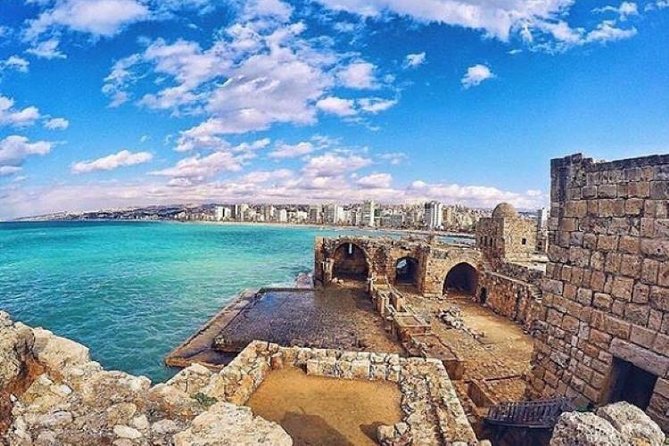
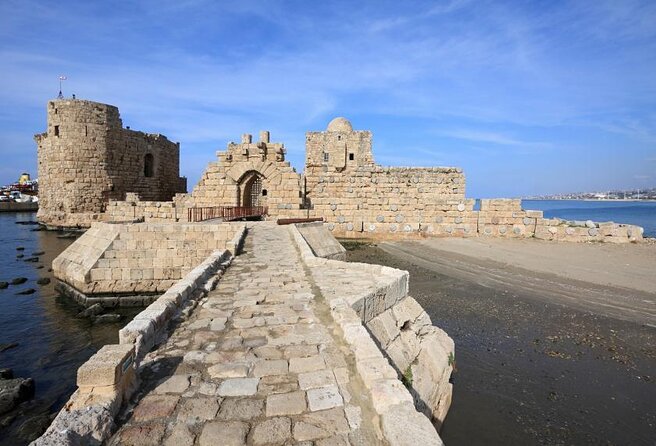
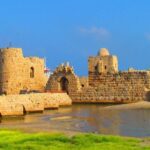
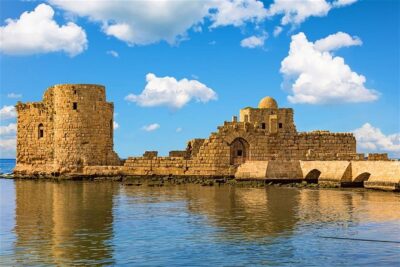
Sidon’s most dramatic opening is the Crusaders Sea Castle. It was built in the 13th century on a small island, reached by a causeway, as a fortress tied to the holy land era. Today it is still a striking shape in the port landscape even though it was largely destroyed by the Mamluks in 1291. Later, Fakhr el-Dine Maan II restored it in the early 17th century.
What I like about starting here is that it sets a visual baseline. Even when embellishments from the ramparts are gone, you still get a real sense of how power and defense were built into the coastline. You get about 30 minutes at this stop, and admission is not included, so give yourself the time you need to take in the views and the layout.
Trips where the mezze stop is part of the deal
Khan al-Franj: A Courtyard Built for Diplomacy and Trade
Next comes Khan al-Franj, a classic khan built in the early 17th century by Emir Fakhreddine II. It began as a hotel for ambassadors, but it also functioned as a commercial exchange hub between Lebanon and France. Over time, it turned into a center for literature, religion, history, industry, and diplomacy.
This stop is only about 15 minutes, but it is a good breather. You get a big rectangular courtyard with a central fountain, plus covered galleries around it. Even with short time, you can see how khans worked as “infrastructure for people,” not just buildings.
Admission here is listed as free, so you can use the time for photos and for reading the spaces with your guide rather than worrying about extra ticket steps.
Soap Museum (Saida): Olive Oil Craft and Bath Culture
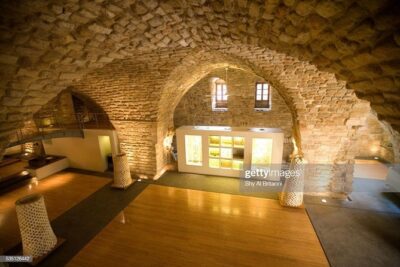
Sidon also delivers a hands-on kind of history at the Soap Museum. This is a specialized museum focused on Levantine soaps. The soap workshop originally belonged to the Hammoud family in the 17th century, and the museum traces how soap-making developed in the region, including traditional manufacturing techniques.
I like this stop because it is local and physical. You can see how traditional olive oil soaps are made, and it connects soap production to the broader “hammam” bath tradition. That link turns a museum visit into something practical you can picture in daily life, not just a set of artifacts behind glass.
It is about 30 minutes, and admission is not included. The museum building itself is an old soap factory, with parts thought to date back even earlier than the 17th century. There is also a historical section with artifacts found during onsite excavation, including clay pipe heads from the 17th to 19th centuries and pottery fragments.
Even if you are not a museum person, this one is worth the time because it explains an everyday craft with regional depth.
Sidon Souks: The Port City’s Working Streets
You finish the Sidon block with time at the Sidon Souks. This is the center of retail commerce and craft industry, and it is the kind of place where you can see real rhythms: narrow lanes, small kiosks, cafes, and stalls run by street merchants and shopkeepers. You will pass by butcher shops, grocers, shoe-makers, tailors, and jewelers.
You only get about 10 minutes here, so think of it as a taste, not a shopping spree. I suggest keeping your feet moving. Look for what grabs you, then come back later if you want to buy something. Admission is free, and the value here is atmosphere and orientation, especially if you have not spent time in Sidon before.
Tyre Lunch and the Walk Between Centuries
Tyre is the big payoff. You get about 2 hours in Tyre itself, and admission is listed as free for the city time. The name alone matters, because Tyre was a major ancient Phoenician port city, connected to Elissar, the Phoenician princess who founded Carthage. Tyre was also famous for purple dye made from murex sea snails.
Before you hit the deeper sites, you stop for lunch in Tyre at a local restaurant. Lunch is included, and the style is described as traditional. I like that this is built into the schedule. You are in an area where quick food can turn into long waits, so having lunch planned means you stay on your pace instead of burning time hunting for the next meal.
Old Souk’s Heritage Square: Quick Bites and Tiny Shops
After lunch and site time, you get about 15 minutes at the Old Souk’s Heritage Square. It is a concentrated browse zone with small shops selling gold, copper, vegetables, fish, meat, clothing, and antiques.
For food lovers, this is where you can snack without turning it into a whole mission. Sandwiches, foul, and hummus are called out as popular stops. You do not need to over-plan it. Treat it like a chance to pick one thing, taste it, and keep moving while the day still feels energetic.
Al-Bass Archaeological Site: Roman Scale in One Hour
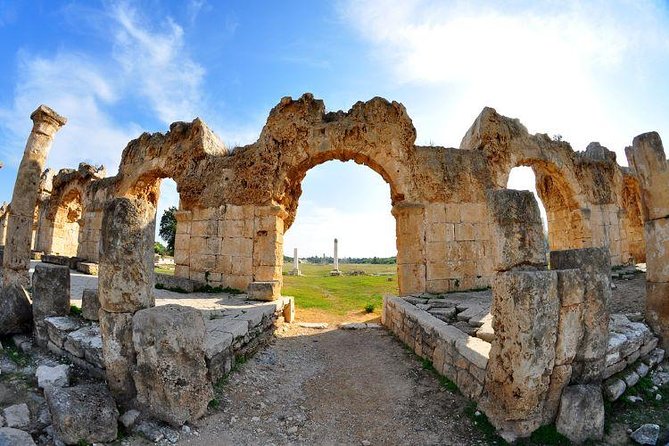
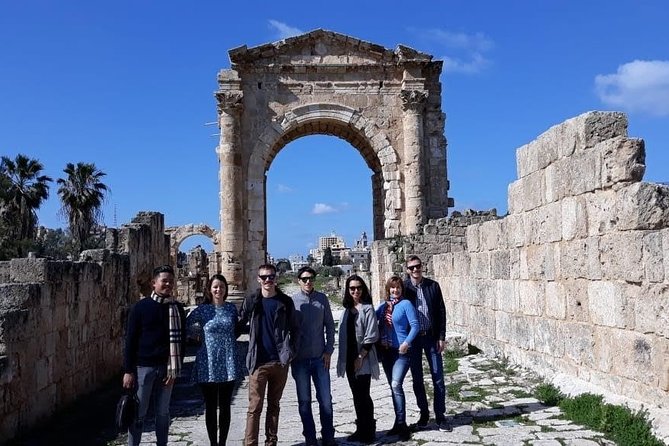
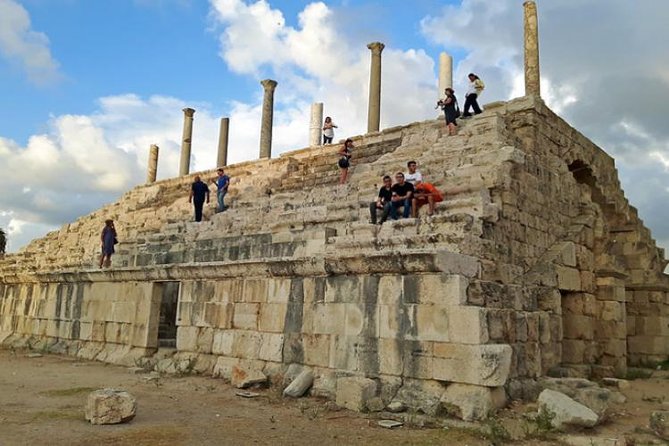
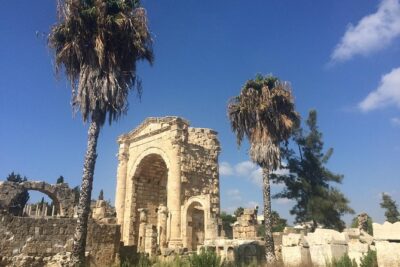
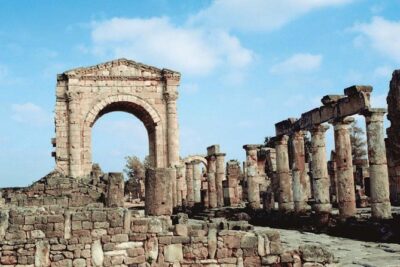
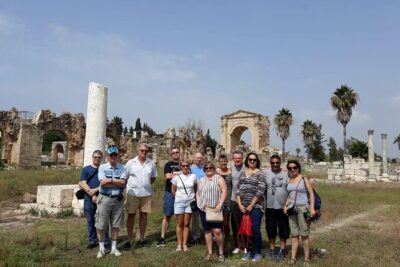
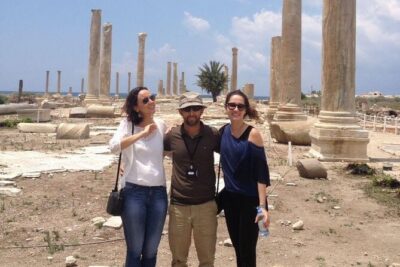
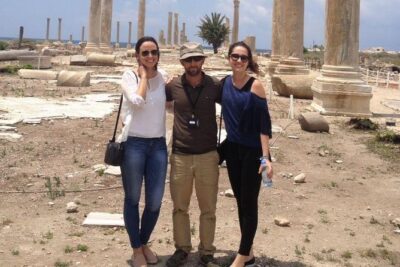
The most focused archaeological time comes at Al-Bass Archaeological Site. This is described as the largest and best-preserved example of a Roman hippodrome. It is the principal entrance sector of the ancient town, with a wide monumental causeway and a Roman triumphal arch dating from the 2nd century AD.
In the hour you have here, you can see how broad Tyre’s Roman period really was. There is a necropolis with several hundred well-preserved sarcophagi, an intact Roman road, an aqueduct, and the monumental arch that anchors the causeway visually.
Admission is not included, so this is one of the stops where I would decide ahead of time: if you like archaeology and you want the biggest Roman structures, prioritize it. The schedule gives you enough time to take in key areas without rushing so hard you miss the scale.
Also, wear shoes that work on uneven ground. Archaeological sites tend to mix open surfaces with paths that can be rough, and you will likely do more walking than you expect.
Maghdouche’s Our Lady of Awaiting: A Change of Mood
After the intensity of Tyre, the day shifts with a stop in Maghdouché at the Our Lady of Awaiting, also known as Our Lady of Mantara. This is a Melkite Greek Catholic Marian shrine, and it is said to have been discovered on 8 September 1721 by a young shepherd.
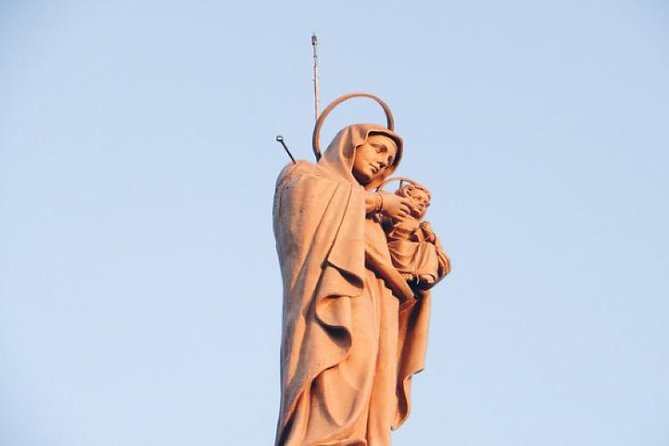
The shrine complex includes a tower crowned with a statue of the Virgin and Child, a cathedral, a cemetery, and a sacred cave believed to be the place where the Virgin Mary rested while she waited for Jesus. Even if you are not religious, it helps to approach this stop with respect because people are often there for reasons that go beyond sightseeing.
You get about 30 minutes here, and admission is listed as free. I find this duration ideal. It gives you time to observe the space, read the story with your guide, and take a slower pause before the return trip.
The Value of a Local Guide, and Why the Group Size Matters
This tour includes a local guide and a tour leader, plus a driver. One standout detail from past participants is the way the day can sharpen when your driver, Hassane, connects the dots. In one case, he arranged for an archaeologist to meet the group at the Tyre sites, which made the Roman remains feel more readable and less like random stones.
Even without that special add-on, a good guide makes the difference between seeing ruins and understanding what you are looking at. You will hear how Sidon’s sea castle ties to the crusader era and later restoration, how khans shaped commerce and diplomacy, and how the soap museum connects trade craft to bath traditions.
The small-group size, capped at a maximum of 20 travelers, also helps you move without feeling rushed. In a day that covers many locations, being stuck in a large group can turn every stop into a time trial. Here, the cap supports a more human pace.
Price and Tickets: Where Your $99 Goes
At $99 per person, this day trip includes hotel pickup and drop-off, air-conditioned transportation, a local guide and tour leader, and lunch at a local restaurant. For an 8-hour heritage day that covers multiple cities, that is strong value if you want a guided experience without the hassle of planning transit between towns.
The main thing to budget for is admissions that are not included. The tour lists admission not included for the Sidon Sea Castle, the Soap Museum, and the Al-Bass archaeological site. Everything else is listed as free: Khan al-Franj, Sidon Souks, Our Lady of Awaiting in Maghdouché, Tyre city time, and the Old Souk’s Heritage Square.
So when you compare value, do not just look at the base price. Add a little extra for those specific ticketed stops if you plan to go in fully.
Who This Tour Suits Best
This fits well if you want a first-time overview of southern Lebanon that still includes meaningful stops. It is a good match for couples, solo travelers, and friends who like structure but still want to walk and look around.
It is also a solid choice if you care about variety: medieval fortifications and trade courtyards in Sidon, a major archaeological zone in Tyre, and a religious shrine in Maghdouche. If you only want one city, you might feel the day is packed. But if you want breadth without chaos, the schedule does the heavy lifting.
Should You Book This Sidon, Tyre, and Maghdouche Day Trip?
I would book it if you have limited time in Beirut and you want a well-paced, small-group day that covers major heritage without you managing transport. The included lunch and door-to-door pickup are the kind of practical perks that quietly improve the day.
I would hesitate if you strongly dislike paying separate admissions or you want long, unhurried stays at each site. Some stops are intentionally short, like 10 to 15 minutes at souk areas and Khan al-Franj. Still, those brief segments are useful because they help you orient and keep momentum.
If your goal is to check off Sidon and Tyre in a single outing, while adding a special cultural stop in Maghdouche, this itinerary is a smart use of your time. Get your ticket budget ready for the paid sites, wear comfortable shoes, and treat lunch like part of the experience, not an afterthought.
FAQ
Is lunch included on this tour?
Yes. Lunch at a local restaurant in Tyre is included.
How long is the tour?
The tour duration is approximately 8 hours.
What is the meeting/start time?
The tour start time is 8:00 am.
Do I get hotel pickup and drop-off?
Yes. Hotel pickup and drop-off are included.
What transportation is used?
You travel by air-conditioned minivan.
Is this a small-group tour?
Yes. The group size is capped at a maximum of 20 travelers.
Are admissions included at every stop?
No. Admission tickets are not included for the Sidon Sea Castle, the Soap Museum, and the Al-Bass Archaeological Site. Other listed stops are free.
Where is the Marian shrine stop located?
It is in Maghdouché at the Basilica of Our Lady of Mantara (Our Lady of Awaiting).
Is a guide included?
Yes. The tour includes a local guide and a tour leader.
Do I get a mobile ticket?
Yes. Mobile ticket is listed as a feature.
How much does the tour cost?
The price is $99.00 per person.
More of Lebanon, Reviewed
- Guided Small-Group Tour to Baalbek, Anjar and Ksara with Lunch
★ 5.0 · 511 reviews - Guided Small-Group Tour to Jeita, Harissa, Byblos with Lunch
★ 5.0 · 361 reviews - City Sightseeing Beirut Hop-On Hop-Off Bus Tour
★ 4.5 · 87 reviews - Private Anjar and Baalbek Tour from Beirut with Departure Ticket
★ 5.0 · 79 reviews - Guided Private Full Day Tour to Baalbek, Anjar and Chateau Ksara
★ 5.0 · 60 reviews
Elsewhere in Lebanon
- Guided Small-Group Tour to Baalbek, Anjar and Ksara with Lunch
★ 5.0 · 511 reviews - Guided Small-Group Tour to Jeita, Harissa, Byblos with Lunch
★ 5.0 · 361 reviews - Paragliding Trip Over Lebanon – Jounieh Bay
★ 5.0 · 257 reviews - Jeita Grotto,Harissa&Byblos Full-Day PRIVATE-CAR Trip from Beirut
★ 5.0 · 222 reviews - First Paragliding Club in Lebanon – Since 1992
★ 5.0 · 193 reviews
South to Sidon and Tyre
- Small-Group Adventure Tour to Sidon Tyre & Maghdouche-Day Trip
★ 5.0 · 45 reviews - Sidon, Tyre & Maghdouche Day Trip – With Lunch (4G on Board)
★ 4.5 · 44 reviews - Guided Small-Group Tour to Sidon, Tyre & Maghdouche with Lunch
★ 5.0 · 41 reviews - Sidon – Tyre – Maghdouche Trip, From Beirut
★ 5.0 · 25 reviews - Private Guided Tour to Sidon, Tyre and Maghdouche from Beirut
★ 4.5 · 9 reviews
Other Lebanon trips we have written up
Sidon, Tyre & Maghdouche Day Trips, compared.
 ★ 5.0Small-Group Adventure Tour to Sidon Tyre & Maghdouche-Day TripFrom $6545 reviews
 ★ 4.5Sidon, Tyre & Maghdouche Day Trip – With Lunch (4G on Board)From $9544 reviews
 ★ 5.0Guided Small-Group Tour to Sidon, Tyre & Maghdouche with LunchFrom $6541 reviews
 ★ 5.0Sidon – Tyre – Maghdouche Trip, From BeirutFrom $4525 reviews
 ★ 4.5Private Guided Tour to Sidon, Tyre and Maghdouche from BeirutFrom $1009 reviews
 ★ 5.0Lebanon tour Sidon & Tyre ruins with pick-up, guide,lunch+entriesFrom $1559 reviews
 ★ 5.0Temple of Eshmun – Mleeta Landmark – Beaufort CastleFrom $749 reviews
 ★ 5.0Lebanon Unveiled: Exclusive Private Tours to Sidon & TyreFrom $757 reviews
Every list this tour turns up in