
REVIEW · TRIPOLI, BATROUN & THE NORTH
PRIVATE city Tour of authentic Tripoli and vibrant Batroun
A north Lebanon day you will actually remember.
This full-day outing links three very different stops, from Batroun’s Phoenician wall to Tripoli’s Citadel Saint Gilles, then ends with Lebanon’s legendary sweets. It’s the kind of day that makes you see beyond Beirut, with real street time, real landmarks, and a guide who can explain why all of it matters.
I especially like the contrast between Crusader-era stone and old-school sweet making. And I like that the day runs with a small group setup, plus hotel pickup and drop-off, so you’re not wasting time figuring out transport.
One heads-up: there’s some walking, and you’ll be outside for parts of the day. If the weather is hot, pack water and sun protection, and keep your pace comfortable.
In This Review
- Key things to love on this Tripoli and Batroun day
- How the Tripoli and Batroun day runs from Beirut
- Batroun’s Phoenician wall stop: a calm start by the coast
- Citadel Saint Gilles: three gateways and a fortress still in use
- Hallab 1881 sweets palace in Tripoli: more than baklava
- Why your guide Dave makes the day click
- Tripoli versus Beirut: what changes when you go north
- Price and value: what you really get for $113.34
- What to pack and how to prepare for a comfortable day
- Who should book this Tripoli and Batroun tour
- Should you book? My simple take
- FAQ
- What is the duration of the Tripoli and Batroun tour?
- What time does the tour start?
- How many people are in the group?
- Is hotel pickup and drop-off included?
- Are admission tickets included?
- Is lunch included?
- What does the tour cost?
- What should I wear?
- Is this tour good for people with limited mobility?
- Can I cancel for a full refund?
Key things to love on this Tripoli and Batroun day
- Hotel pickup and drop-off from Beirut keeps the day smooth and low-stress.
- Max 15 travelers means your questions do not get lost.
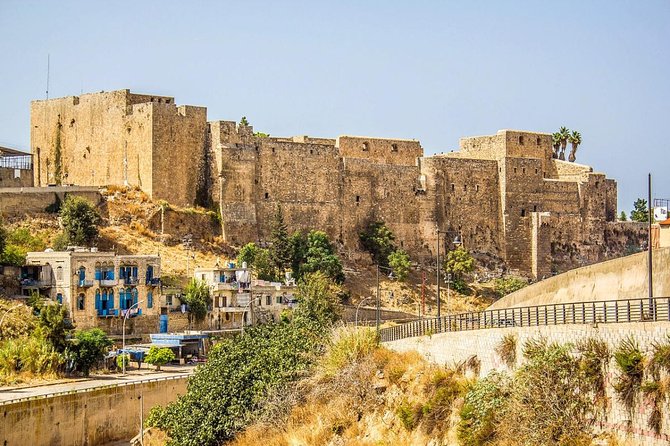
- Citadel Saint Gilles features a memorable entrance with three gateways from different periods.
- Hallab 1881 sweets palace is built around seeing the variety and hearing the flavor story from the chef.
- Phoenician wall in Batroun is a quick, scenic starter stop with free admission.
- Guide Dave brings the history alive with clear explanations and humor.
Further north, these Tripoli and Batroun days rated well
- Aaqoura Lakes – Baatara Waterfall – Batroun★ 4.5 · 55 reviews
- PRIVATE city Tour of authentic Tripoli and vibrant Batroun★ 5.0 · 51 reviews
- Full-Day Guided Tour of Northern Lebanon with Hotel Pickup★ 5.0 · 8 reviews
- Full day Tripoli private great guide/all-in + rustic meal★ 5.0 · 7 reviews
How the Tripoli and Batroun day runs from Beirut
This is a 6 to 7 hour full-day tour starting at 9:00 am. You get pickup and drop-off, so you can focus on the sites instead of negotiating taxis or ride apps. The group size caps at 15, which matters in Lebanon, where narrow streets and busy corners can turn a “quick stop” into a slowdown.
You’ll want to dress smart casual. Shoes should be comfortable, because even when the stops are not huge, you’ll still do walking in old areas and around landmarks. The tour is listed for moderate physical fitness, so think “friendly walking,” not a hike.
Also note lunch is not included. That’s important for planning. If you want a sit-down meal, decide where you’ll do it after the stops or bring snacks so you are not stuck trying to find food while everyone else is finished.
Batroun’s Phoenician wall stop: a calm start by the coast
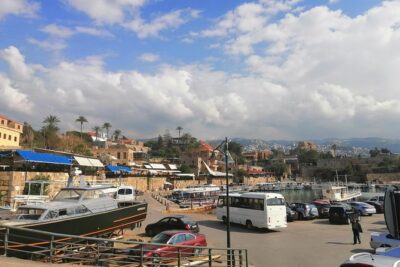
The day begins in Batroun, a Northern Lebanon coastal town with old streets, beaches, and a mix of small stays like B and Bs, plus breweries and wineries in the wider area. Your first scheduled stop is the Phoenician wall, with about 45 minutes on the clock and free admission.
This part works well because it sets the tone for the day. Tripoli can feel like a jump into layers of history and city life. Batroun feels more open and coastal, so you start with something scenic and grounded before you head into stronger fortress and city-center themes.
In practical terms, treat it like a “get your bearings” stop. Take a few minutes to look outward, then read the surroundings as you walk. If you like history that you can see with your eyes, the Phoenician wall is a nice way to do it without rushing.
Citadel Saint Gilles: three gateways and a fortress still in use
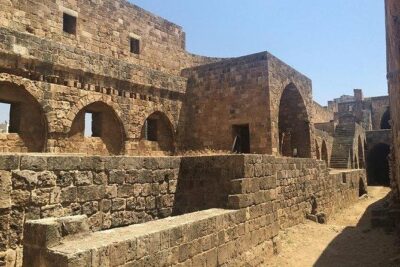
Next comes the big landmark: Citadel Saint Gilles (Qal’at Sinjil). It sits above Tripoli and the river, and it’s built in a way that instantly makes you feel the strategic thinking behind it. Your time here is about 1 hour, and admission is included.
Here’s what makes this fortress special for a visitor. The site dates to 1103 to 1104 when Crusaders built it. It burned down in 1297, then was partly rebuilt the following century by a Mamluk emir. Today, it’s still used by the Lebanese military, so this is not just a stage set.
The star is the entrance. You’ll see a moat and three gateways, each tied to a different period:
- One Crusader
- One Mamluk
- One Ottoman
Inside, there are information panels and a small museum, which helps you connect what you’re looking at to what you’re learning. The fort is also a good example of how Lebanon’s history is not one straight line. It’s a stacking of eras, sometimes overlapping, sometimes rebuilding.
Practical tip: wear shoes with grip. Old stone and uneven ground are normal around fortress sites.
Other city itineraries we have reviewed
Hallab 1881 sweets palace in Tripoli: more than baklava
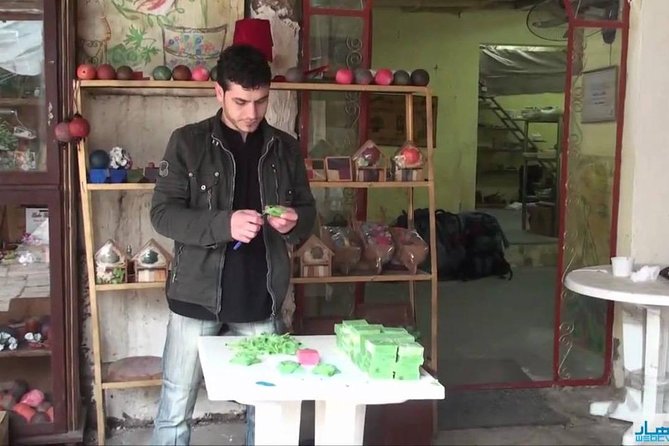
Then you shift from stone to sugar at قصر الحلو (Hallab) 1881. This stop is designed like a tasting experience, and it’s timed for about 1 hour, with admission included.
This is a sweets palace that traces back to 1881, when a family of chefs started a major sweet factory in the city. The promise is not just that you’ll try sweets, but that you’ll see how much variety belongs to Lebanese dessert culture.
Yes, baklava is part of the story. But the point here is range. You’ll be able to taste multiple types, and you get something more valuable than random sampling: the chef is there and happy to explain the flavors. That changes the experience. Instead of eating first and asking questions later, you get the “why” while you taste.
If you have a sweet tooth, plan for it. This is the kind of stop where you go from hungry to wowed. And if you don’t always love sugary desserts, you’ll still probably find at least a few that click once you understand the ingredients and texture differences the chef points out.
Why your guide Dave makes the day click
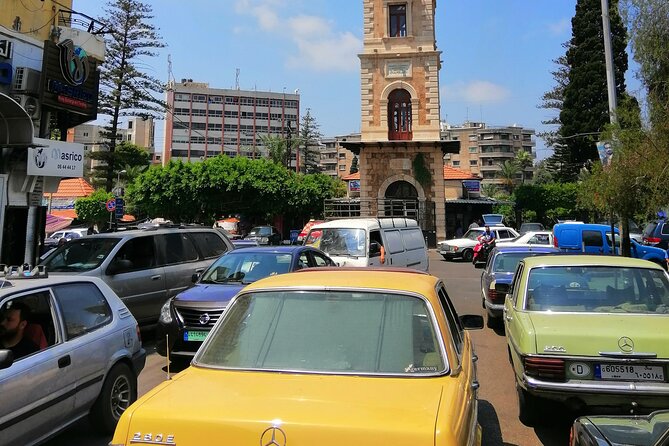
A good tour can become a great tour when the guide connects facts to real life. In this case, that’s a big part of the appeal.
Dave is the driver guide behind the experience, and people consistently highlight how he turns complicated topics into understandable stories with simple analogies. That matters, because fortress history and city history can feel abstract fast. When the explanation is clear, you stop seeing just buildings and start seeing decisions, conflicts, and daily life.
You’ll also get more than architecture. On the drive, Dave talks through Lebanon in a way that goes beyond tourist basics. Some days feel calmer than others, like when you happen to travel on a Friday and the streets are not as packed, but either way, the point is the same: you get context for what you’re seeing.
One extra detail that makes this feel personable, not scripted: because Dave is a musician, he sometimes shares music during the return drive. It’s not a formal performance. It’s more like a small cultural bonus that keeps the mood relaxed.
Tripoli versus Beirut: what changes when you go north
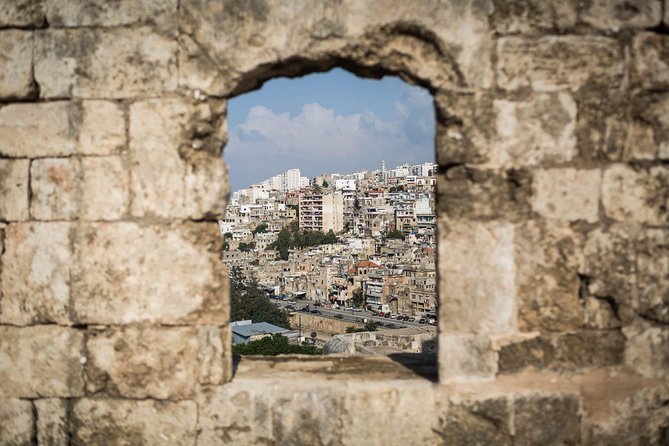
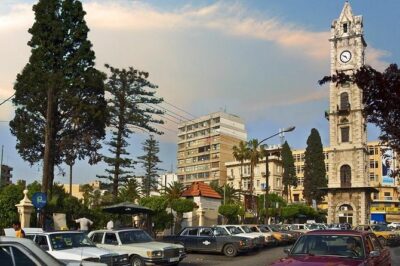
The whole reason this day works is the contrast. Beirut is modern, international, and fast-moving. Tripoli and Batroun feel more local and more layered, with older streets and tighter city rhythms.
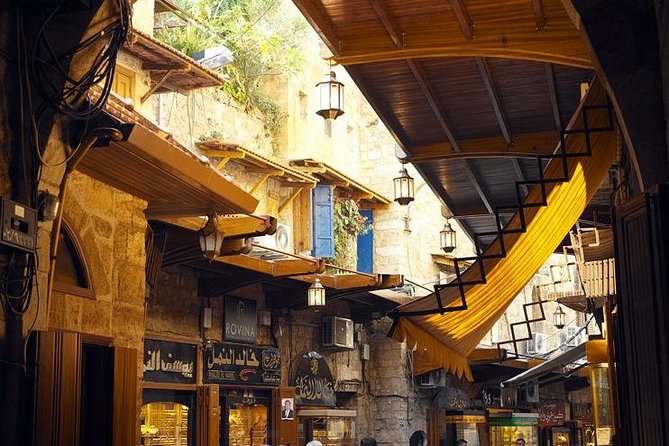
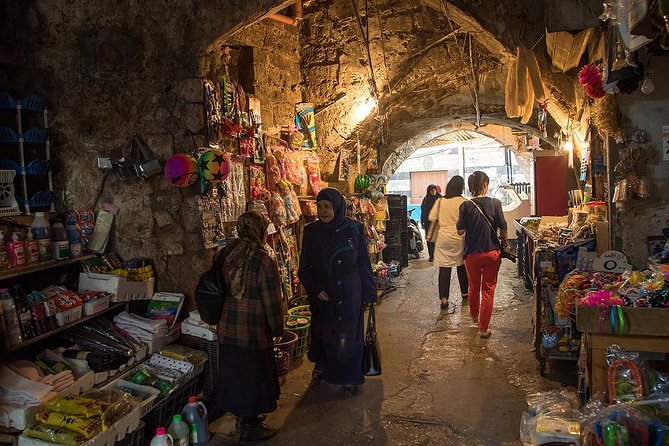
Tripoli’s old souks and surrounding areas have a different pace, and that’s where the tour earns its value. You’re not only looking at a fortress and leaving. You get time in city spaces where craft and everyday life show up.
If your goal is to get a sense of how Lebanon looks outside the capital, this format does it without turning the day into a marathon. You get one coastal starter stop, one major landmark, one food stop, then you’re back before your energy fully drains.
Price and value: what you really get for $113.34
At $113.34 per person, this is priced like a full-day guided experience with transport and entry costs handled for key stops. What helps the value is what’s included.
Included items:
- Fuel surcharge
- Local taxes
- Driver/guide
- Hotel pickup and drop-off
Admission is also included for the two main paid experiences:
- Citadel Saint Gilles admission included
- Hallab 1881 sweets palace admission included
And the Phoenician wall stop has free admission.
Not included:
- Lunch
So your spending outside the tour is basically about your meals and any extra drinks or snacks. If you budget for lunch separately, this becomes a pretty straightforward deal: you pay for a guided day with transport and the important entries, and you get food plus major landmarks.
Booking tends to happen in advance, with an average around 9 days. If your dates are firm, don’t wait until the last minute, especially when you want a particular pickup plan from Beirut.
What to pack and how to prepare for a comfortable day
Since this tour involves walking in historical areas and being outside for parts of the day, preparation matters more than you’d think.
Bring:
- Water (you will likely want it)
- Sun protection
- Comfortable walking shoes
Dress:
- Smart casual fits the tour expectation, but practical shoes are the real key
- If you’re sensitive to heat, dress in breathable layers
Food planning:
- Because lunch is not included, decide whether you want to eat lunch on your own at a chosen time or rely on snacks before the sweets stop and after.
If you do all that, the day stays fun instead of becoming “tour math” where you’re trying to squeeze hunger and heat into a tight schedule.
Who should book this Tripoli and Batroun tour
This tour is a strong match if you want:
- A day outside Beirut with a Northern Lebanon focus
- A mix of fortress history plus food you can’t easily recreate
- A small group format and a guide who explains clearly, with humor
It can also feel reassuring for solo travelers because the day is organized with pickup, a group size cap, and a professional guide handling the flow. If you prefer structure and conversation while you move between sites, you’re likely to enjoy this.
Where you might hesitate:
- If you dislike walking in hot sun, you might find the outdoor parts tiring. You can still take breaks, but it’s not a “sit at every stop” kind of day.
- If you want a long, leisurely lunch and lots of free time on the coast, you may need to add extra time in Batroun or plan a separate food day in Tripoli.
Should you book? My simple take
Book this if you want a guided day that hits three real priorities: history you can see, a fortress with visible layers, and Lebanese sweets explained by the people behind them. The guide factor makes a real difference here, and the included entries mean you are not constantly paying again at the gate.
Skip it or think twice if you only want modern city sights, or if you need long downtime and a guaranteed lunch plan. With that said, the structure is clear, the group is small, and the route makes sense for a full-day north Lebanon taste.
If your schedule works, this is one of those days that gives you perspective quickly. You come back to Beirut with a totally different picture of Lebanon.
FAQ
What is the duration of the Tripoli and Batroun tour?
The tour runs about 6 to 7 hours.
What time does the tour start?
It starts at 9:00 am.
How many people are in the group?
The tour has a maximum of 15 travelers.
Is hotel pickup and drop-off included?
Yes, hotel pickup and drop-off are included.
Are admission tickets included?
Yes for Citadel Saint Gilles and قصر الحلو Hallab 1881. The Phoenician wall stop has free admission.
Is lunch included?
No, lunch is not included.
What does the tour cost?
It is priced at $113.34 per person.
What should I wear?
The dress code is smart casual.
Is this tour good for people with limited mobility?
It requires a moderate physical fitness level, so plan for some walking.
Can I cancel for a full refund?
Yes. You can cancel up to 24 hours in advance for a full refund.
More of Lebanon, Reviewed
- Guided Small-Group Tour to Baalbek, Anjar and Ksara with Lunch
★ 5.0 · 511 reviews - Guided Small-Group Tour to Jeita, Harissa, Byblos with Lunch
★ 5.0 · 361 reviews - City Sightseeing Beirut Hop-On Hop-Off Bus Tour
★ 4.5 · 87 reviews - Private Anjar and Baalbek Tour from Beirut with Departure Ticket
★ 5.0 · 79 reviews - Guided Private Full Day Tour to Baalbek, Anjar and Chateau Ksara
★ 5.0 · 60 reviews
Elsewhere in Lebanon
- Guided Small-Group Tour to Baalbek, Anjar and Ksara with Lunch
★ 5.0 · 511 reviews - Guided Small-Group Tour to Jeita, Harissa, Byblos with Lunch
★ 5.0 · 361 reviews - Paragliding Trip Over Lebanon – Jounieh Bay
★ 5.0 · 257 reviews - Jeita Grotto,Harissa&Byblos Full-Day PRIVATE-CAR Trip from Beirut
★ 5.0 · 222 reviews - First Paragliding Club in Lebanon – Since 1992
★ 5.0 · 193 reviews
Tripoli, Batroun and the Northern Coast
- Aaqoura Lakes – Baatara Waterfall – Batroun
★ 4.5 · 55 reviews - Guided Small-Group Tour to Tripoli and Batroun with Lunch
★ 5.0 · 16 reviews - Full-Day Guided Tour of Northern Lebanon with Hotel Pickup
★ 5.0 · 8 reviews - Full day Tripoli private great guide/all-in + rustic meal
★ 5.0 · 7 reviews - Tripoli City Lebanon Trip
★ 5.0 · 7 reviews
Other Lebanon trips we have written up


Tripoli, Batroun & the North, compared.
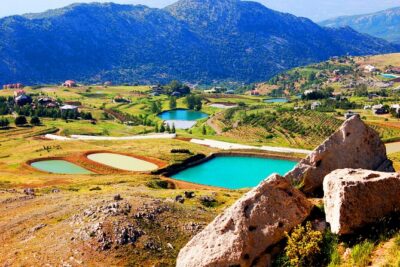 ★ 4.5Aaqoura Lakes – Baatara Waterfall – BatrounFrom $6055 reviews
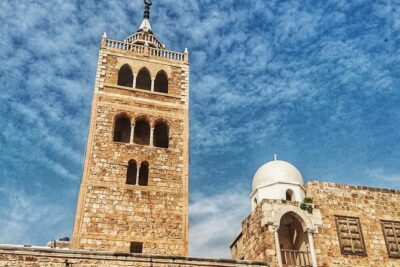 ★ 5.0Guided Small-Group Tour to Tripoli and Batroun with LunchFrom $6516 reviews
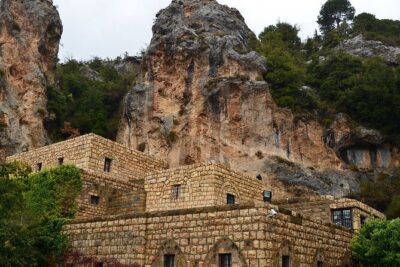 ★ 5.0Full-Day Guided Tour of Northern Lebanon with Hotel PickupFrom $828 reviews
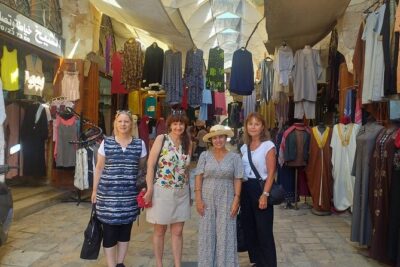 ★ 5.0Full day Tripoli private great guide/all-in + rustic mealFrom $997 reviews
 ★ 5.0Tripoli City Lebanon TripFrom $457 reviews
 ★ 5.0Byblos and Tripoli TourFrom $1504 reviews
 ★ 5.0Private Full-Day Tour to Byblos and Tripoli from BeirutFrom $653 reviews
Every list this tour turns up in