
REVIEW · TRIPOLI, BATROUN & THE NORTH
Tripoli City Lebanon Trip
Tripoli makes northern Lebanon feel close, not far. You get an air-conditioned pickup plus a full day of Crusader and Mamluk sites packed into about eight hours. I like that the schedule gives you real context, not just photo stops. The one drawback to plan for is that lunch and any entrance fees are not included.
This trip runs from Beirut to Tripoli and back, about 85 kilometers north, starting at 8:30 am. With a small group capped at 15, you should have an easier time hearing the guide and asking questions. Just remember you are on the road for a chunk of the day, so wear comfy shoes and keep your expectations simple.
You also get an English/Arabic speaking driver and a mobile ticket, so you are not stuck trying to communicate your way through the day. It is the kind of outing where logistics are handled, and you can focus on the city.
In This Review
- Key highlights you will feel right away
- Tripoli Day Trip From Beirut: what $45 covers (and what it doesn’t)
- The 8:30 am start: pickup timing, ride comfort, and group size
- Stop 1: Tripoli Abandoned Train Station and the Orient Express story
- Old Soul market and the Great Mosque of Tripoli: how to spot real local life
- Citadel of Raymond de Saint-Gilles: the Crusader fortress centerpiece
- A quick pass-by at a soap factory: why this matters even if it is brief
- Lunch, tickets, and pacing: how to avoid feeling shortchanged
- Who this trip suits best, and who should skip it
- Tips to make the most of your Tripoli day
- Should you book Zingy Ride’s Tripoli City Lebanon Trip?
- FAQ
- Where does the Tripoli City Lebanon trip start?
- What time does the tour begin?
- How long is the trip?
- Is hotel pickup and drop-off included?
- Is lunch included?
- Are entrance fees included?
- How much does it cost?
- How big is the group?
- What languages will the driver speak?
- What is the cancellation policy?
Key highlights you will feel right away
- Hotel pickup and drop-off mean you start and end in Beirut without hunting for transport
- Tripoli’s abandoned train station connects to Homs, and it once served the Orient Express line
- Old Soul market time gives you a real sense of how people trade and sell goods
- Great Mosque of Tripoli shows Mamluk-period architecture in a city known for Mamluk heritage
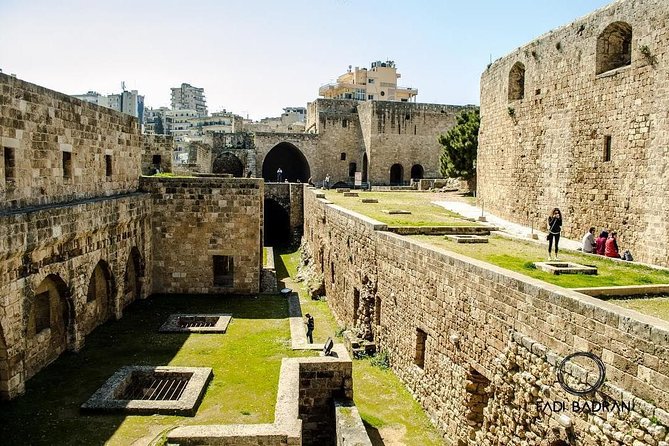
- Citadel of Raymond de Saint-Gilles brings the big Crusader-fortress story of northern Lebanon into one stop
Further north, these Tripoli and Batroun days rated well
- Aaqoura Lakes – Baatara Waterfall – Batroun★ 4.5 · 55 reviews
- PRIVATE city Tour of authentic Tripoli and vibrant Batroun★ 5.0 · 51 reviews
- Full-Day Guided Tour of Northern Lebanon with Hotel Pickup★ 5.0 · 8 reviews
- Full day Tripoli private great guide/all-in + rustic meal★ 5.0 · 7 reviews
Tripoli Day Trip From Beirut: what $45 covers (and what it doesn’t)
For $45 per person, this is a straightforward value play. You are paying for the key ingredients that often cost extra on your own: round-trip transport in an air-conditioned vehicle, plus hotel pickup and drop-off. You also get a driver who speaks both English and Arabic, which matters a lot when you are moving between historic sites and market areas.
What is not included is also clear, and you should build that into your plan. Lunch is not part of the tour, and entrance fees are not included either. There is a note saying admission ticket is free, but those details can vary by stop, so I would budget a little extra just in case you hit a paid entry area.
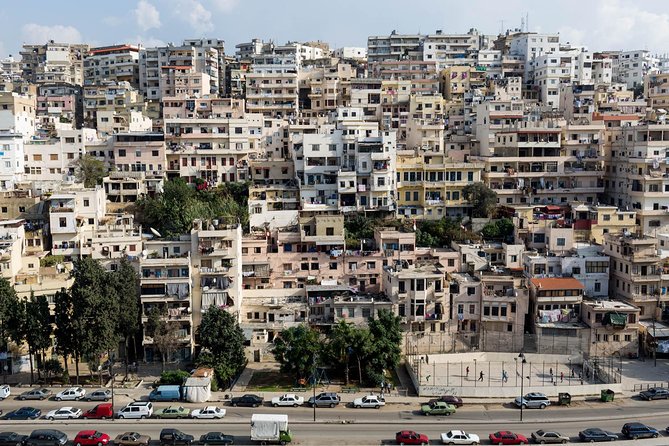
If you like days that mix history with everyday life, this one fits. Tripoli is Lebanon’s second-largest city and the largest in the north, with history stretching back long before the Middle Ages. That background helps explain why the city holds both Crusader-era drama and Mamluk-era architecture.
In short, the price works best if you want guided structure plus local flavor, without the hassle of arranging everything yourself.
The 8:30 am start: pickup timing, ride comfort, and group size
The day starts at 8:30 am in Beirut and ends back at the meeting point. The full duration is about eight hours, so you are basically doing a full working day, just with sightseeing instead of desk time.
You get hotel pickup and drop-off, and that is one of the underrated perks of this style of tour. It keeps the day efficient, especially on a destination that is 85 kilometers from Beirut. Air-conditioning is included too, which you will appreciate once you are back in motion.
The group size cap is 15, which usually makes a difference on tours in Middle Eastern cities. Smaller groups typically mean you spend less time herding people and more time asking questions. It also makes market stops more manageable, because you can actually browse without feeling like you are in a rush.
My practical advice: if you are sensitive to long days, plan for a slow morning routine and eat beforehand if you can. You will likely be moving and walking at multiple points, even if the driving does a lot of the heavy lifting.
Stop 1: Tripoli Abandoned Train Station and the Orient Express story
The first major stop is the Tripoli Abandoned Train Station. The station began operating in 1911 and was connected to the Syrian city of Homs with a single track. That simple line connects to a big regional story: in the 1920s, 1930s, and 1940s, Tripoli station formed the terminus of the Orient Express line.
This is one of those stops where you are not just looking at old architecture. You are looking at how transportation shaped cities. Even if the station is called abandoned today, the walls still hint at what it must have meant when trains linked the Eastern Mediterranean to the wider world.
You also learn about Tripoli’s rail connections to Beirut. In 1945, Tripoli station was connected to Beirut’s central station at Mar Mikael. That detail is useful because it helps you place the city’s importance in the mid-century period, not only in the ancient and medieval eras.
Practical tip: treat this stop like an intro to Tripoli’s role as a crossroads. If you come into it curious, the rest of the day clicks into place faster.
Other city itineraries we have reviewed

Old Soul market and the Great Mosque of Tripoli: how to spot real local life
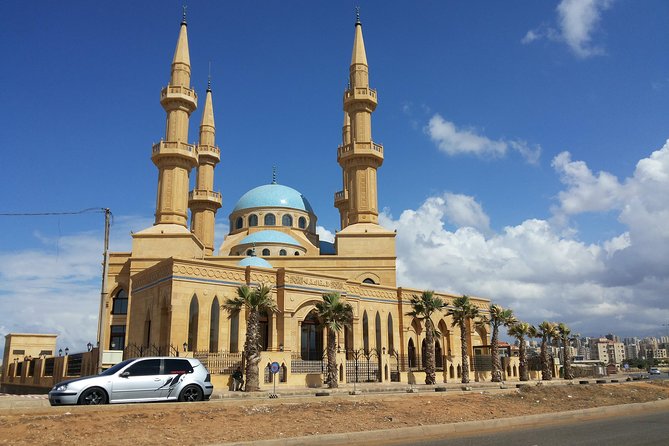
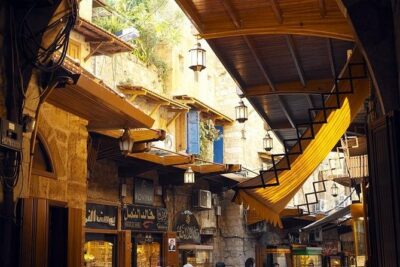
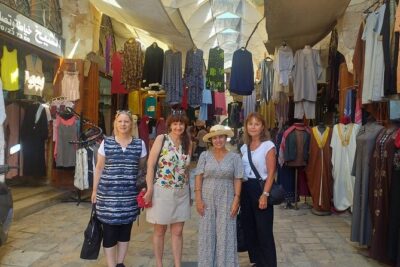
After the station, you head to the Tripoli Old Soul market area. This is where the day shifts from transport history to daily commerce. You do not just pass through. You get to experience the flow of local life, and you will see how people sell merchandise.
This is a good place to slow down. Markets can feel chaotic if you are trying to keep your eyes on everything at once. Instead, pick one or two things you are curious about, like crafts, spices, textiles, or other goods. Watch how vendors talk to each other and negotiate, and you will feel the city’s rhythm.
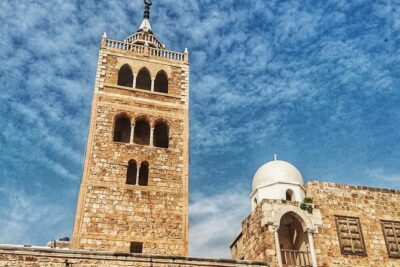
From the market area, you also visit the Great Mosque of Tripoli, built in the Mamluk period. That matters because the Mamluk period is a major part of Tripoli’s identity. The city has the second-largest amount of Mamluk architectural heritage on earth, behind Cairo, so this is not random sightseeing.
One consideration: religious sites often have rules for visiting. I would dress with respect and expect that you may need to adjust your plans if there are prayer times or other restrictions. Even when access is limited, you can usually learn a lot just from the architecture and the setting around it.
If you want a memorable day, do not rush the market. Let the guide’s explanation anchor you, then use the time to connect the city’s trade energy to the older stones you saw earlier.
Citadel of Raymond de Saint-Gilles: the Crusader fortress centerpiece
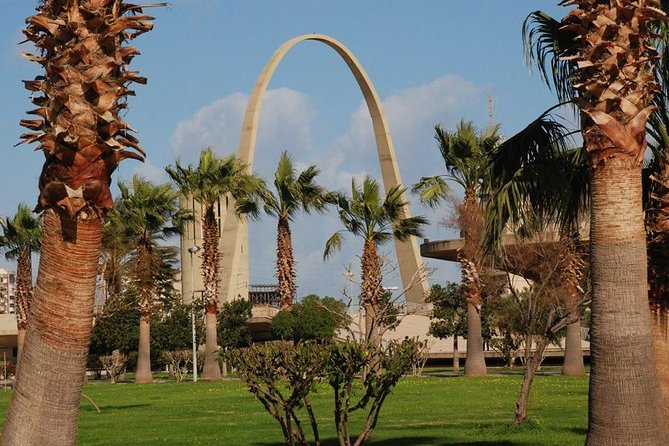
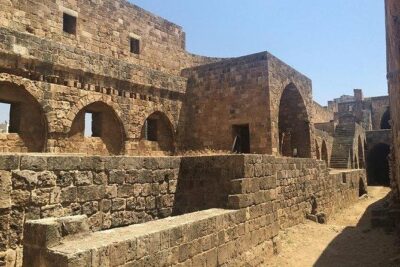
The Citadel of Raymond de Saint-Gilles is a centerpiece stop, built in 1103 by Raymond de Saint-Gilles, governor of Tripoli. In the overview, it is described as the largest Crusader fortress in Lebanon, which is a big claim, and it helps set expectations.
Why it is worth your time is not only the label Crusader fortress. It is the fact that Tripoli holds multiple layers of heritage in the same urban space. When you see the citadel after the market and mosque, you understand how the city was contested, traded, and rebuilt over centuries.
At this point, you might also notice how the city is organized around history. Even if you do not spend hours inside, you get the scale of the site and a sense of what power looked like in medieval times. If you like architecture, stop a moment at the edges and pay attention to the stonework and the fortress layout.
A practical note: citadel areas can mean uneven surfaces and more walking than you planned. Wear sturdy shoes and keep your water handy, especially if you are visiting during warmer months.
A quick pass-by at a soap factory: why this matters even if it is brief
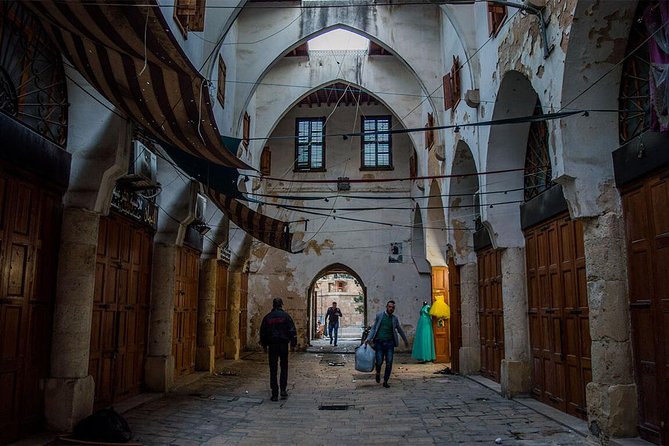
Your route also includes a stop where the group passes by a soap factory. The tour data does not spell out a full workshop visit, but the idea is still useful. Soap production is one of those traditional trades that ties into local history, daily life, and regional craftsmanship.
Even a brief look can help you connect what you saw in the market to how goods are made. If your time feels short here, that is normal for day trips. The value is that you get a visual cue that production exists behind the storefronts.
If you care about everyday manufacturing traditions, this kind of quick pass can be more interesting than another monument that looks the same from every angle. It is the small industry thread that makes Tripoli feel like a living city, not just a museum.
Lunch, tickets, and pacing: how to avoid feeling shortchanged
This is where you need to plan smartly. Lunch is not included, and entrance fees are not included. There is also an admission ticket note marked free, but since the tour does not list entrance fees as included, you should treat the day like a “pay as needed” situation.
How should you handle it? First, eat something light before you leave your hotel, if possible. Then during the market time, choose whether you want a meal right then or later on your return to Beirut.
For pacing, remember you have multiple segments: transport, a historic rail station, market time, a mosque visit, and the citadel. That means you are not lingering for long at each stop. The tradeoff is that you see a lot in one day.
If you hate rushing, you might want to treat this tour as a sampler. Use it to orient yourself and then come back later on your own, especially if you spot a detail you want to explore deeper.
The upside is efficiency. You get structure, guidance, and the major highlights without having to plan logistics for each site.
Who this trip suits best, and who should skip it
This tour is best for you if you want a guided introduction to Tripoli, with enough history to satisfy you but enough market time to keep it grounded. The small group size helps if you like a more human scale than the big bus tours.
It also suits you if you are new to Lebanon and want a safe-feeling day trip with pickup and drop-off handled. The strongest theme from past experiences is that the guide is friendly and hospitable, and pickup runs on time, so the day feels smooth.
Who might skip it? If you only want one deep dive into a single site, an eight-hour day trip with multiple stops can feel too segmented. Also, if you dislike any uncertainty about meal timing, you should prepare a lunch plan.
My recommendation: take it if you want context and variety. Skip it if you want a slow, unhurried experience with long visits.
Tips to make the most of your Tripoli day
Bring practical basics. Comfortable walking shoes matter because you will move between sites and through market areas. A hat and water help, especially if the day starts warm.
Dress for the mosque stop. Even though the specific rules are not listed, religious sites tend to expect modest coverage. If you are unsure, pack a light layer you can adjust quickly.
Use the small group format. Ask questions early, especially at the train station where the story is detailed, like the 1911 opening and the Orient Express terminus era. Those facts turn the city into more than a list of locations.
Finally, keep your expectations realistic. This is one day. You are seeing a big, layered city in a limited window, so your goal is orientation and memorable highlights, not checking off every street and monument.
Should you book Zingy Ride’s Tripoli City Lebanon Trip?
I think you should book it if you want an organized, value-priced day out of Beirut that hits Tripoli’s biggest identity points: the Crusader fortress at the Citadel of Raymond de Saint-Gilles, the Mamluk-era presence at the Great Mosque, and the local texture of the Old Soul market. With pickup and drop-off, an English/Arabic speaking driver, and a small group size, it is built for comfort and clarity.
I would hesitate if you are determined to have lunch included or if you prefer long visits at just one or two places. Also, if your schedule is tight, remember the day runs about eight hours, and it is a round trip from Beirut.
If you like structure, you will enjoy this. If you like to wander with a plan, this tour gives you a strong starting map of Tripoli.
FAQ
Where does the Tripoli City Lebanon trip start?
It starts in Beirut, Lebanon, with pickup offered. The activity ends back at the meeting point.
What time does the tour begin?
The start time is 8:30 am.
How long is the trip?
The duration is approximately 8 hours.
Is hotel pickup and drop-off included?
Yes. Hotel pick-up and drop-off are included.
Is lunch included?
No, lunch is not included.
Are entrance fees included?
No, entrance fees are not included.
How much does it cost?
It costs $45.00 per person.
How big is the group?
The maximum number of travelers is 15.
What languages will the driver speak?
The driver is listed as English/Arabic speaking.
What is the cancellation policy?
This experience is non-refundable and cannot be changed for any reason. If you cancel or ask for an amendment, the amount you paid will not be refunded.
City Days in Lebanon
- City Sightseeing Beirut Hop-On Hop-Off Bus Tour
★ 4.5 · 87 reviews - PRIVATE city Tour of authentic Tripoli and vibrant Batroun
★ 5.0 · 51 reviews - Private Baalbek City Tour
★ 5.0 · 14 reviews - PRIVATE tour to Jeita Grottos, Harissa Shrine & Byblos City
★ 5.0 · 12 reviews - Private Beirut City Tour with Boat Ride at Raouche Rock
★ 4.5 · 10 reviews
Elsewhere in Lebanon
- Guided Small-Group Tour to Baalbek, Anjar and Ksara with Lunch
★ 5.0 · 511 reviews - Guided Small-Group Tour to Jeita, Harissa, Byblos with Lunch
★ 5.0 · 361 reviews - Paragliding Trip Over Lebanon – Jounieh Bay
★ 5.0 · 257 reviews - Jeita Grotto,Harissa&Byblos Full-Day PRIVATE-CAR Trip from Beirut
★ 5.0 · 222 reviews - First Paragliding Club in Lebanon – Since 1992
★ 5.0 · 193 reviews
Tripoli, Batroun and the Northern Coast
- Aaqoura Lakes – Baatara Waterfall – Batroun
★ 4.5 · 55 reviews - PRIVATE city Tour of authentic Tripoli and vibrant Batroun
★ 5.0 · 51 reviews - Guided Small-Group Tour to Tripoli and Batroun with Lunch
★ 5.0 · 16 reviews - Full-Day Guided Tour of Northern Lebanon with Hotel Pickup
★ 5.0 · 8 reviews - Full day Tripoli private great guide/all-in + rustic meal
★ 5.0 · 7 reviews
Other Lebanon trips we have written up




Tripoli, Batroun & the North, compared.
 ★ 4.5Aaqoura Lakes – Baatara Waterfall – BatrounFrom $6055 reviews
 ★ 5.0PRIVATE city Tour of authentic Tripoli and vibrant BatrounFrom $11351 reviews
 ★ 5.0Guided Small-Group Tour to Tripoli and Batroun with LunchFrom $6516 reviews
 ★ 5.0Full-Day Guided Tour of Northern Lebanon with Hotel PickupFrom $828 reviews
 ★ 5.0Full day Tripoli private great guide/all-in + rustic mealFrom $997 reviews
 ★ 5.0Byblos and Tripoli TourFrom $1504 reviews
 ★ 5.0Private Full-Day Tour to Byblos and Tripoli from BeirutFrom $653 reviews
Every list this tour turns up in