
REVIEW · JEITA GROTTO, HARISSA & BYBLOS DAY TRIPS
Private Full-Day Tour to Byblos and Tripoli from Beirut
Two ancient cities, one long day. This private Byblos and Tripoli trip turns a big chunk of northern Lebanon into one efficient route, powered by a private air-conditioned vehicle and a local guide in Byblos. What I like most is how the day mixes headline sights like Byblos Castle and Tripoli’s Citadel of Saint Gilles with real-life stops such as khans, mosques, and the city’s working hammam. One thing to consider up front: lunch isn’t included, and two of the major fort/castle areas have tickets that are not included in the price.
The plan runs about 8 hours, starting around 9:00 am, with door-to-door hotel pickup and drop-off in Beirut. You also get hands-on support from a designated tour leader, plus a local guide specifically for Byblos, so you’re not just looking at stone and guessing what you’re seeing.
This is a great fit if you want culture that goes beyond photos, especially if you like architecture and the way layers of history stack up. The main drawback is practical, not dramatic, it’s a long day with short site visits, so wear comfy shoes and plan for some walking on uneven old-town surfaces.
In This Review
- Key reasons this Byblos and Tripoli day is worth your time
- Price and logistics that actually matter (and what to plan for)
- The day starts in Byblos, where Phoenician history feels close
- Byblos Castle and its viewpoint, the part you’ll remember later
- Old Souk and Byblos Port, the easy stops that make the day feel real
- Tripoli in a single hit, where Mamluk and Ottoman layers overlap
- Citadel Saint Gilles (Qal’at Sinjil), and what to look for at the top
- Al Mansouri Great Mosque and Taynal Mosque, Crusader-to-Mamluk in one day
- Khans, souks, and the Tripoli soap stop that people actually remember
- Hammam El-Abed (Hammam Al Jadid), a living museum of daily life
- Al Mina Port, plus the coastline view that ties the day together
- Lunch, snacks, and sweets: what to do with the gaps
- Is $65 per person fair value for this full-day private route?
- Who this tour suits best, and who might want a different plan
- Should you book the Byblos and Tripoli private full-day tour?
- FAQ
- What is the duration of the private tour?
- Where does the tour start and what time?
- Is pickup and drop-off included?
- Is this tour private?
- Do I need to pay admission fees at every stop?
- Is lunch included in the price?
- What language support and guiding do I get?
- How do I receive my ticket?
- Is transportation included?
- Is there free cancellation?
Key reasons this Byblos and Tripoli day is worth your time
- A leader plus a Byblos specialist keeps the story clear without slowing you down
- Most stops are free, so you’re not constantly paying small fees all day
- Fort and mosque architecture, side-by-side with khans and hammams
- Citadel of Saint Gilles details (Fatimid, Crusader, Mamluke, Ottoman) give you a history cheat sheet in stone
- A real working hammam stop helps you picture everyday life, not only ruins
Other ways to fit Jeita, Harissa and Byblos into one day
- Guided Small-Group Tour to Jeita, Harissa, Byblos with Lunch★ 5.0 · 361 reviews
- Jeita Grotto,Harissa&Byblos Full-Day PRIVATE-CAR Trip from Beirut★ 5.0 · 222 reviews
- Jeita Grotto – Harissa – Byblos Trip★ 5.0 · 169 reviews
- Byblos, Jeita Grotto & Harissa Day Trip -With Lunch (4G on Board)★ 4.5 · 145 reviews
Price and logistics that actually matter (and what to plan for)
At $65 per person for a private, full-day tour, the value mostly comes from what’s included: air-conditioned transport, hotel pickup and drop-off in Beirut, a tour leader for the day, and a local guide in Byblos. You’re also getting a mobile ticket, which makes the day feel simple and low-fuss.
Here’s the trade-off: you’ll cover two cities in one push, and the itinerary includes multiple quick stops. That can be ideal if you’re short on time, but it also means you won’t have hours alone at every site. Also, lunch isn’t included, so you’ll want to bring a snack plan or budget time to grab something when the day allows.
Two sites are also marked as not included for admission: Byblos Castle and Citadel Saint Gilles (Qal’at Sinjil). Everything else listed is free entry, so you can keep costs predictable, but you should still be ready for those ticket moments.
The day starts in Byblos, where Phoenician history feels close
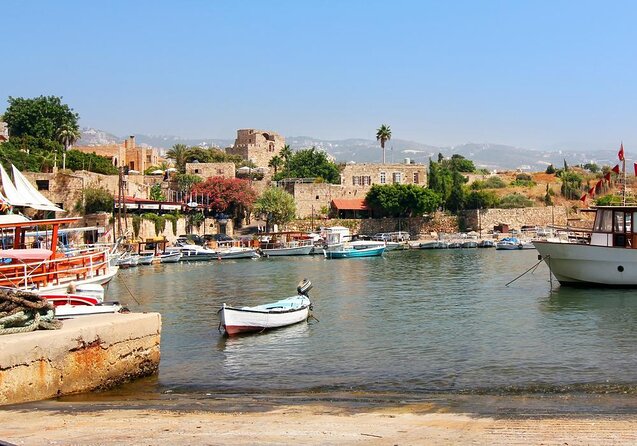
Byblos is often described as one of the oldest cities in the region, and the tour starts you in the right place: the archaeological area and ruins where it’s easy to feel how long this coastline has mattered. You get about 2 hours here, and it’s the kind of stop where context changes everything. The idea is not only to see stones, but to understand why Byblos shows up in Mediterranean legends and in the spread of the Phoenician alphabet.
This is also one of those places where you can move at a comfortable pace. You’re not trapped in a museum line, you’re walking through outdoor remains, looking at what’s still visible, and using your guide’s narration to connect it to the bigger picture. If you’re a history fan, this is the part that gives your later Tripoli stops more meaning, because the day becomes a story of different eras meeting at the same crossroads of trade.
Byblos Castle and its viewpoint, the part you’ll remember later
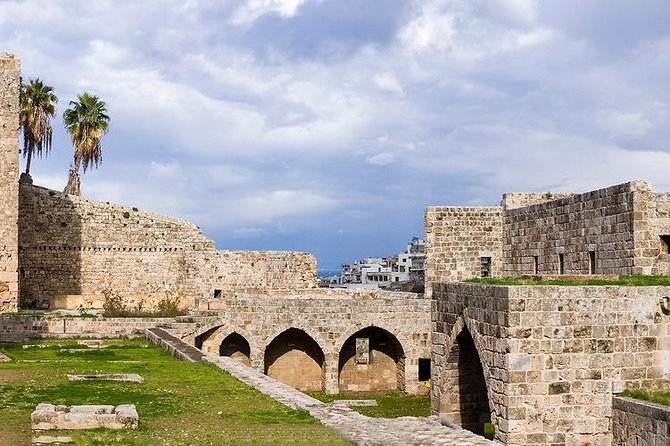
Next comes Byblos Castle, where the setting is as strong as the architecture. The castle sits within the archaeological site, with a restored Crusader-era feel, and it’s surrounded by a dry moat about 10 meters wide. From the top of the keep, you get an especially good perspective over the ruins and toward the sea.
You’ll get about 30 minutes here. The ticket isn’t included, so treat it like a planned add-on if you want the best view and the small museum information inside. Inside, there are displays and panels that lay out Byblos’ story in a more direct way than you’ll get while wandering the ruins.
One practical tip: bring a little patience with steps and viewpoints. Even when a site is restored, the best angles are often up top or along uneven ground. If you’re sensitive to steep stairs, plan to move slowly.
Further north, these Tripoli and Batroun days rated well

Old Souk and Byblos Port, the easy stops that make the day feel real
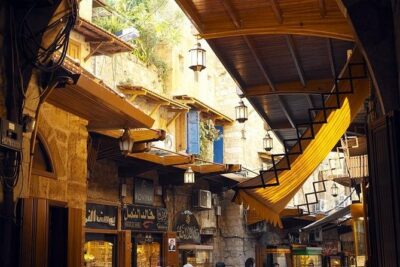
After the castles and ruins, the day cools down a bit with shorter stops, and that matters. You get about 15 minutes at the old souk, where you can stroll cobblestone streets, browse souvenirs and antiques, or just enjoy the architecture. The point here isn’t bargain hunting. It’s getting the texture of Byblos as a living town, not only an archaeological zone.
Then you head to Byblos Port for about 15 minutes. The tour frames it as a very old maritime hub, connected in Lebanese tradition with being among the earliest ports in the world. Around 3000 BC, it was an important timber shipping center in the eastern Mediterranean. Even if you don’t memorize dates, standing near the port helps the story click, because you can picture why Byblos mattered to ships, trade, and language spread.
These two quick stops are also a smart rhythm reset. If you’re planning to spend long hours in historic places across the day, small breaks like this keep you from feeling rushed and cranky.
Tripoli in a single hit, where Mamluk and Ottoman layers overlap
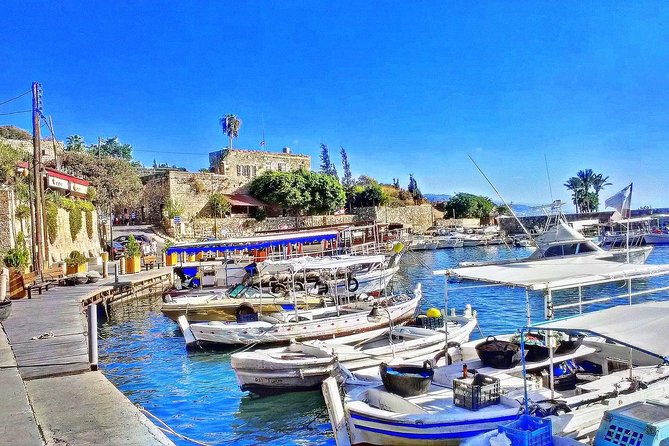
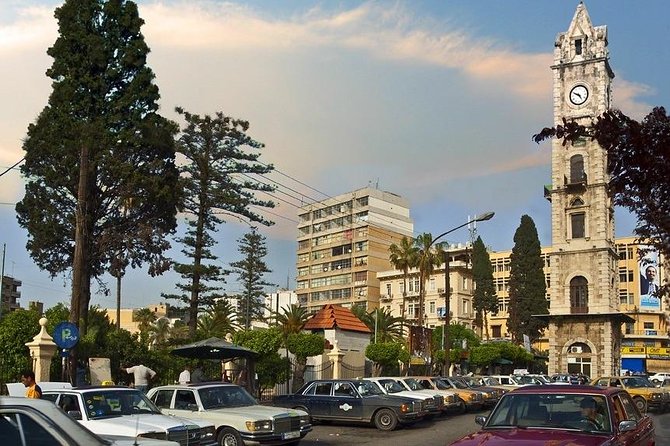
Once you reach Tripoli, you get about 3 hours, and the city is the kind of place where architecture does the storytelling. You’ll be moving across landmarks connected to Mamluk and Ottoman times, but the framing also acknowledges deeper roots reaching back through Phoenician heritage.
Tripoli has a concentration of surviving religious and secular architecture. The tour points out that many historical sites are registered and that a dozen mosques from Mamluk and Ottoman periods have survived. You also get non-religious anchors you can actually picture day-to-day life around: hammams, souks, and khans, which are trade buildings tied to specific crafts.
The best part of this section is that you’re not forced to treat Tripoli as a single monument. You’re seeing a network of spaces. That’s what makes the day feel like a real city, rather than a series of snapshots.
Citadel Saint Gilles (Qal’at Sinjil), and what to look for at the top
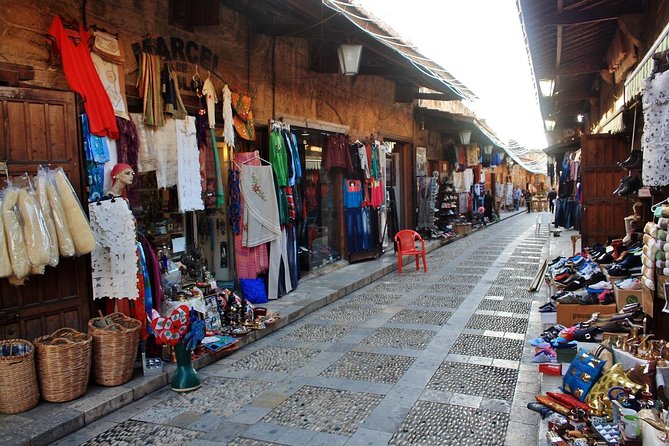
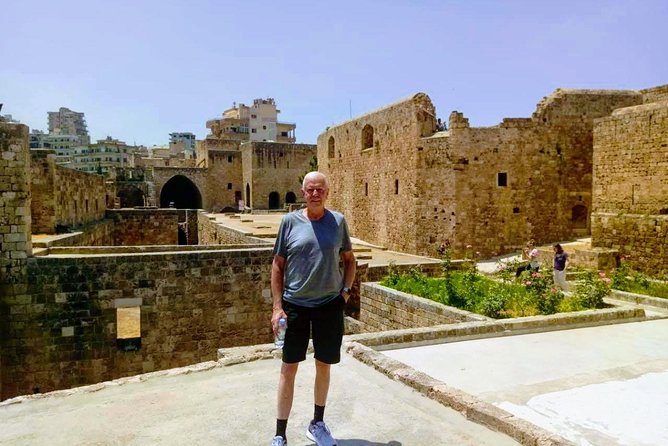
Overlooking Tripoli is Citadel Saint Gilles, also known as Qal’at Sinjil. The tour gives you about 30 minutes, and this is another not-included admission stop. If you’re going to pick one “pay attention” moment in Tripoli, this is it.
The description focuses on the way the fortress changed over centuries. Today, you’ll see octagonal Fatimid constructions, later converted to a church by the Crusaders, with Mamluke additions in the 14th century, and Ottoman additions in the 16th. The current scale is large, with measurements noted as roughly 140 meters long and 70 meters wide. Restoration work is credited to Mustafa Barbar Agha, the governor of Tripoli at the beginning of the 19th century.
What you should do with your time here: look for how the building forms connect to different eras. Even if you are not an architecture expert, your guide’s explanation can help you separate what’s earlier from what’s later. And because it’s a viewpoint over the city, the payoff is immediate.
If you’re short on energy, prioritize the viewpoints and main structures over chasing every detail. This is a place where you can see a lot quickly if you pick the angles you care about.
Al Mansouri Great Mosque and Taynal Mosque, Crusader-to-Mamluk in one day
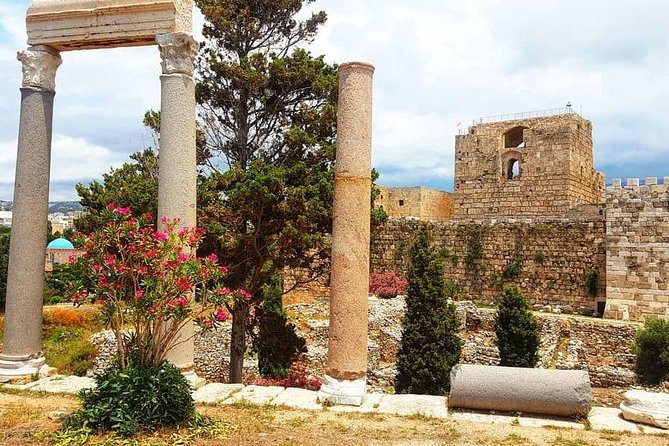
The tour then moves to two major mosque stops, both quick but meaningful.
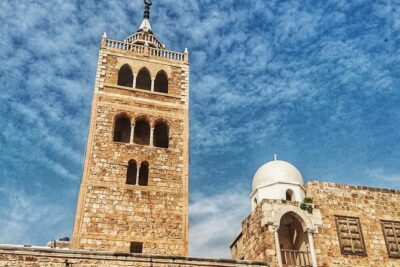
At Al Mansouri Great Mosque, you’ll learn it was begun in 1294 and completed in 1315, built on the ruins of a 12th-century Crusader cathedral dedicated to St. Mary of the Tower. The large courtyard and surrounding vaulted prayer hall are the architectural anchors. Inside, you can still find Western architectural elements from the old church, including the northern entrance and a bell tower with Lombard style influence, transformed into a minaret. Foundation plaques and decrees are also part of the story told here, offering hints about daily life in the Mamluke period.
Taynal Mosque is smaller on time but specific in its details. Built in 1336 by Saif Ed-Dine Taynâl on the site of a ruined Crusader church, it includes a domed mausoleum holding the founder’s tomb. The tour also highlights reused elements, like granite columns with late Roman capitals, and notes unique decorative examples from the Mamluke era inside.
Both stops are free entry and are given about 15 minutes each. That short window is perfect if you treat it like orientation, not a deep worship visit. For respectful visiting, expect you may need to adjust behavior and clothing as you would in any mosque setting, and follow any guidance from your tour leader.
Khans, souks, and the Tripoli soap stop that people actually remember
Tripoli’s identity also lives in its commercial architecture. You’ll pass Khan Al-Khayyatin, part of the Tripoli souks, a rectangular covered building with a central courtyard and shops on both sides. It historically housed tailors and related trades, tied to needles, thread, and sewing tools. The tour gives this stop only about 5 minutes, but the idea is to point you toward how trade spaces shaped the city’s rhythms.
Then comes the most memorable “smell you can’t forget” stop: the Tripoli Soap Factory at Khan el masriyen, also referred to as Khan As Sabon or the Soap Khan. This soap khan was built at the beginning of the 17th century and was intended as a military barracks to garrison Ottoman troops. The location in the center of the city is part of the plan, since it let the pasha control any uprising. The structure is described as a large rectangular building with two story arcaded corridors around a fountain courtyard.
Another quick note: this is also free entry, and the tour allots only about 5 minutes. So if soap-making details are what you care about most, keep your eyes open for any short explanations from your leader, because you might not get a long, sit-down experience.
Hammam El-Abed (Hammam Al Jadid), a living museum of daily life
One of the best “non-obvious” stops on this route is Hammam Al Jadid, the functioning hammam known as Hammam El-Abed. The tour notes it is the only functioning hammam in Tripoli and was probably built toward the end of the 17th century. It has pierced domes characteristic of Mamluke and Ottoman public baths.
You’ll get only about 5 minutes here, but the description paints it as more than a relic: the interior is presented as a living museum, with cushions, a central fountain, and traditional fittings. Even if you don’t see a full service, you’ll get the sense of what public bathing spaces looked like and why they mattered as social hubs.
This is a good stop for travelers who like culture that isn’t only monuments. It helps you understand what people did between wars, rulers, and empires.
Al Mina Port, plus the coastline view that ties the day together
To finish, the tour includes a coastal stop at El Mina Port in about 15 minutes. El Mina occupies the area of the old Phoenician city of Tripoli and acts as the harbor city for modern Tripoli. The tour also mentions nine islands nearby, with four declared natural reservations meant to help breed fish and protect habitat.
If you enjoy sea air and a breather after religious and fortress stops, this is a nice closer. It also pulls you back to the theme of the day: the Mediterranean as a connector of cities, trade, and daily life.
The main caution here is time. Don’t expect a long beach hang. Think of it as a viewpoint and atmosphere stop, a place to refocus before you head back toward Beirut.
Lunch, snacks, and sweets: what to do with the gaps
Lunch is not included, so you’ll want to plan how you’ll eat without losing the flow of the day. The itinerary has short time slots for most stops, which means you might not get an easy sit-down meal between them.
A smart approach is to pick a flexible plan: snack earlier, keep water handy, and then treat lunch as a short sit-down only if your driver and leader timing allows it. This day is also perfect for local sweets. In Tripoli, one name that shows up is Al Hallab 1881, and it’s a good bet if you want a real local dessert break without turning the day into a full detour.
If you’re traveling with dietary restrictions, this is where you’ll want to be decisive. Because lunch is not included, you’ll rely on your own choices and your tour leader’s practical suggestions.
Is $65 per person fair value for this full-day private route?
For a private day from Beirut that runs about 8 hours and includes air-conditioned transport, door-to-door pickup and drop-off, a tour leader, and a local guide in Byblos, $65 per person can be a solid deal, especially if you would otherwise pay for separate taxis and self-guided tickets and then spend time figuring routes.
Most stops are free, so your extra costs are mainly tied to Byblos Castle and Citadel Saint Gilles, where admission is not included. Once you accept the reality that those two ticket stops are part of the experience, the pricing feels more transparent.
This is also a value-friendly option because it limits decision fatigue. You’re not trying to connect Byblos archaeology to Tripoli mosque stops on your own while managing transport and timing. For first-time visitors from Beirut, that alone can save real frustration.
Who this tour suits best, and who might want a different plan
I think this tour suits you if:
- you want two cities in one day without doing logistics
- you care about how different eras appear on top of each other, especially in forts and mosques
- you like seeing both monument stops and everyday spaces like khans and a functioning hammam
I’d consider a different option if:
- you prefer slow travel with longer time at fewer sites
- you dislike long days, short stops, and walking on uneven old-town surfaces
- you want lunch fully built into the plan rather than planning it yourself
Should you book the Byblos and Tripoli private full-day tour?
If your goal is a strong introduction to northern Lebanon with guided context and efficient routing, I’d say yes, book it. The mix of Byblos Phoenician ruins and the Byblos Castle viewpoint, then Tripoli’s Citadel Saint Gilles plus major mosque stops and everyday spaces like Khan Al-Khayyatin, the Soap Khan, and Hammam El-Abed, gives you a day that feels more complete than a typical “photos and good-byes” excursion.
Just go in prepared for a long day and remember that lunch is on you, plus two key sites have tickets not included. If that fits your travel style, this is the kind of itinerary that helps you understand a place fast, without flattening it into generic sightseeing.
FAQ
What is the duration of the private tour?
The tour runs about 8 hours.
Where does the tour start and what time?
It starts at 9:00 am.
Is pickup and drop-off included?
Yes. Hotel pickup and drop-off in Beirut are included.
Is this tour private?
Yes. It is private, so only your group participates.
Do I need to pay admission fees at every stop?
No. Many stops are listed as free, but Byblos Castle and Citadel Saint Gilles have admission not included.
Is lunch included in the price?
No. Lunch is not included.
What language support and guiding do I get?
You have a tour leader throughout the day, and you also get a local guide in Byblos.
How do I receive my ticket?
You receive a mobile ticket.
Is transportation included?
Yes. The tour includes a private air-conditioned vehicle and transportation between locations.
Is there free cancellation?
Yes, cancellation is free up to 24 hours in advance for a full refund.
Elsewhere in Lebanon
- Guided Small-Group Tour to Baalbek, Anjar and Ksara with Lunch
★ 5.0 · 511 reviews - Guided Small-Group Tour to Jeita, Harissa, Byblos with Lunch
★ 5.0 · 361 reviews - Paragliding Trip Over Lebanon – Jounieh Bay
★ 5.0 · 257 reviews - Jeita Grotto,Harissa&Byblos Full-Day PRIVATE-CAR Trip from Beirut
★ 5.0 · 222 reviews - First Paragliding Club in Lebanon – Since 1992
★ 5.0 · 193 reviews
Tripoli, Batroun and the Northern Coast
- Aaqoura Lakes – Baatara Waterfall – Batroun
★ 4.5 · 55 reviews - PRIVATE city Tour of authentic Tripoli and vibrant Batroun
★ 5.0 · 51 reviews - Guided Small-Group Tour to Tripoli and Batroun with Lunch
★ 5.0 · 16 reviews - Full-Day Guided Tour of Northern Lebanon with Hotel Pickup
★ 5.0 · 8 reviews - Full day Tripoli private great guide/all-in + rustic meal
★ 5.0 · 7 reviews
Jeita, Harissa and Byblos: Three More Ways
- Guided Small-Group Tour to Jeita, Harissa, Byblos with Lunch
★ 5.0 · 361 reviews - Jeita Grotto,Harissa&Byblos Full-Day PRIVATE-CAR Trip from Beirut
★ 5.0 · 222 reviews - Jeita Grotto – Harissa – Byblos Trip
★ 5.0 · 169 reviews - Byblos, Jeita Grotto & Harissa Day Trip -With Lunch (4G on Board)
★ 4.5 · 145 reviews - Semi-Private Tour to Jeita Grotto, Harissa & Byblos with Lunch
★ 5.0 · 52 reviews
Other Lebanon trips we have written up
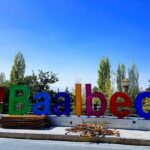


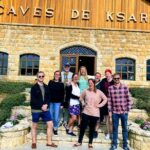
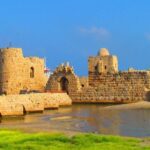
Jeita Grotto, Harissa & Byblos Day Trips, compared.
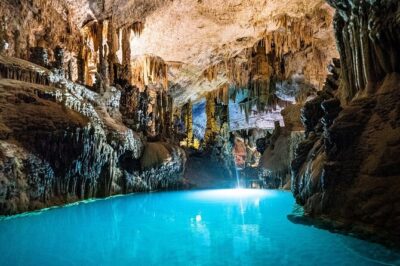 ★ 5.0Guided Small-Group Tour to Jeita, Harissa, Byblos with LunchFrom $60361 reviews
 ★ 5.0Jeita Grotto,Harissa&Byblos Full-Day PRIVATE-CAR Trip from BeirutFrom $75222 reviews
 ★ 5.0Jeita Grotto – Harissa – Byblos TripFrom $37169 reviews
 ★ 4.5Byblos, Jeita Grotto & Harissa Day Trip -With Lunch (4G on Board)From $98145 reviews
 ★ 5.0Semi-Private Tour to Jeita Grotto, Harissa & Byblos with LunchFrom $5552 reviews
 ★ 5.0Small Group Tour to Jeita Grotto, Harisa & Byblos with Hotel pickupFrom $1049 reviews
 ★ 5.0Private Guided Tour to Jeita Grotto through Harissa and ByblosFrom $7548 reviews
 ★ 5.0New Guided Semi-Private Tour to Jeita Grotto, Harissa & ByblosFrom $5547 reviews
Every list this tour turns up in