
REVIEW · QADISHA VALLEY & THE CEDARS OF GOD
Small-Group Tour with Lunch to Qadisha Valley, Bcharre and Cedars
Cold mountain air, right from the city. This full-day small-group tour takes you from Beirut up into Mount Lebanon for monasteries tied to early Christianity, a stop in Bcharre for Kahlil Gibran, and a visit to the Cedars of God forest.
I especially like how the route connects stories back to real places, from the caves and settlements of Qadisha Valley to the cedar trees that are part of Lebanon’s identity. I also like the pace and comfort: an A/C vehicle, an English-speaking driver, and front-door pickup within Beirut’s city center. One thing to consider is that this is a day of driving and multiple stops, so you will want comfy shoes and patience if traffic slows things down in the capital.
In This Review
- Quick Take: Who Will Enjoy This Most
- Key Highlights at a Glance
- From Beirut to Mount Lebanon in an A/C van
- Qadisha Valley: caves, monasteries, and early Christian life
- Bcharre: churches, skiing history, and the town that shaped Gibran
- The Gibran Museum: art, manuscripts, and personal artifacts
- Cedars of God: 375 trees and a biblical symbol you can stand under
- The Maronite Monastery of St Anthony the Great, around 950 meters up
- Price and value: what $60 buys you in a full day
- What the schedule feels like in real life
- Practical tips for photos, weather, and comfort
- Who should book this tour
- Should you book the Qadisha Valley, Bcharre and Cedars tour?
- FAQ
- What time does the tour start?
- How long is the tour?
- Is lunch included?
- Are admission tickets included?
- Do I get pickup from Beirut?
- What group size should I expect?
- Do I get an English-speaking guide?
- Can I cancel for a refund?
Quick Take: Who Will Enjoy This Most
If you want a structured day that still feels personal, this fits well. The group stays small, capped at 15, and all site entry and a Lebanese lunch are included, so you are not doing mental math all day. Because you are climbing into the hills, it can feel cooler than Beirut, and you should dress for mountain weather changes.
Other climbs up to the Qadisha Valley and the old cedars
- Guided Small-Group Tour to Qadisha, Bcharee & Cedars with Lunch★ 5.0 · 39 reviews
- Cedars of Lebanon, Qozhaya, & Bcharre – With Lunch (4G on Board)★ 4.5 · 34 reviews
- Cedars, Bsharre & Kozhaya Day Tour★ 5.0 · 15 reviews
- Small-Group Tour with Lunch to Qadisha Valley, Bcharre and Cedars★ 5.0 · 12 reviews
Key Highlights at a Glance
- Qadisha Valley’s cave monasteries linked to early Christian monastic life
- Bcharre’s Gibran Museum with original art and personal items connected to Kahlil Gibran
- Cedars of God forest with 375 living trees and cedar symbolism on the Lebanese flag
- St Anthony the Great Monastery at about 950 meters elevation in the Qozhaya valley
- All admissions plus lunch included for simple, good value
From Beirut to Mount Lebanon in an A/C van
This tour starts at 8:30 am, which is a smart move if you want daylight for views and slower, calmer time at the sites. You get pickup and drop-off from anywhere in Beirut city center, so you are not hunting for a meeting point while the day is already moving.
The ride is in an A/C vehicle with an English-speaking driver, and the small group size matters more than you might think. With fewer people, it is easier to hear explanations and keep your timing smooth at each stop. Also, you are paying for transportation and admissions together, which means fewer surprises later.
Qadisha Valley: caves, monasteries, and early Christian life
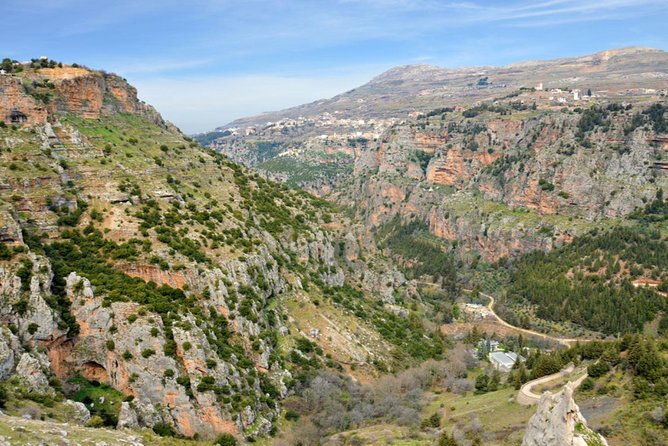
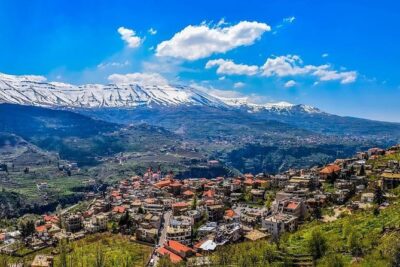
Qadisha Valley is one of those places where the scenery helps you understand why people stayed. It is known for some of the earliest Christian monastic settlements, with monasteries and caves carved into an extraordinarily rugged setting. You will also see cultivated terraces tied to the long rhythm of monastic life, not just ruins for photo ops.
The valley’s value here is the way the sites relate to each other. The monasteries and caves are not random, they connect to activities from an early phase of Christianity. If you like walking away with a mental timeline instead of disconnected stops, you will get a lot from this portion of the day.
A practical consideration: rugged terrain and cave areas can mean uneven footing. Even if you keep it relaxed, wear shoes that handle stone and dirt. Bring a light layer too, because valleys can feel cooler than you expect in the morning.
Trips where the mezze stop is part of the deal
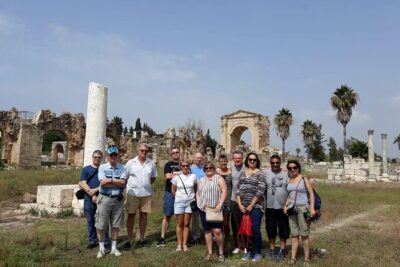
Bcharre: churches, skiing history, and the town that shaped Gibran
Next you reach Bcharre, a high-mountain town that pulls together art, faith, and old-world Lebanon culture. It is sometimes called the city of churches because it has around 37 churches, which gives you a sense of how religious life shaped the community.
I also like that Bcharre is not only history. It has the Cedars Ski Resort and even Lebanon’s first ski lift, built in 1953. That detail helps you picture the mountains as a living place, not a museum set. Depending on the season, the altitude can surprise people with real winter conditions, so if you are visiting in colder months, pack accordingly.
The Gibran Museum: art, manuscripts, and personal artifacts
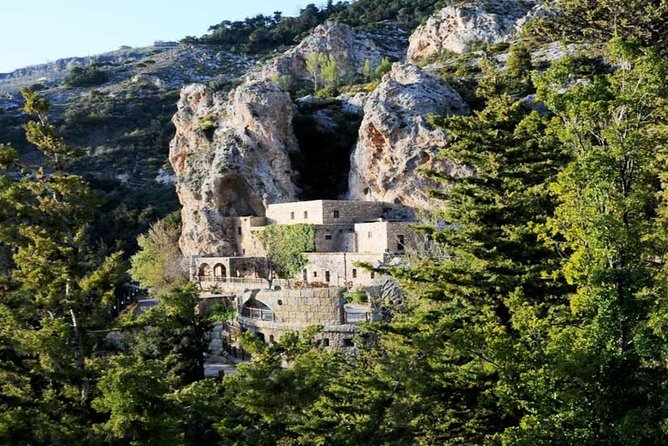
From Bcharre you go straight into the world of Kahlil Gibran, and the stop makes sense because the town is his hometown. The Gibran Museum is dedicated to the Lebanese writer, philosopher, and artist, and it was founded in 1935. The museum was formerly the Monastery of Mar Sarkis, which adds an extra layer, since you are seeing Gibran through a religious building that predates modern tourism.
The museum’s collection is specific, not vague. It includes about 440 original paintings and drawings, plus Gibran’s tomb. You also get to see his furniture and belongings from his studio time in New York City, along with private manuscripts.
What I like about this museum is that it answers more than one question. You do not just learn what he wrote, you get a feel for the person and where his creative life touched. If you enjoy artists who made a global impact but still belong to one home region, this stop will land well.
Time is about 30 minutes, so treat it as a focused visit. If you are a big art person, you may want to slow down for the works and then do a second pass through any items that really grab you, because you only have half an hour.
Cedars of God: 375 trees and a biblical symbol you can stand under
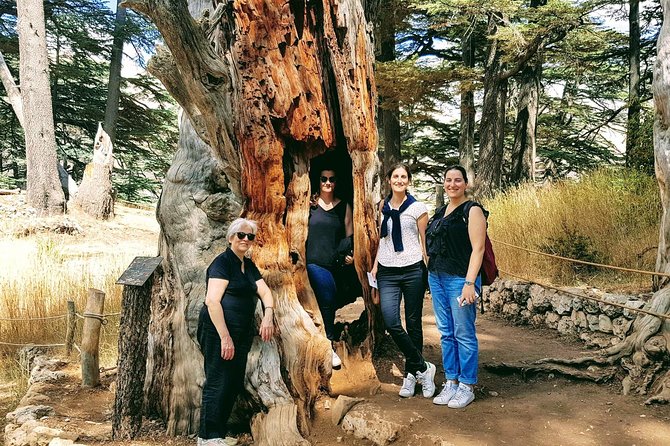
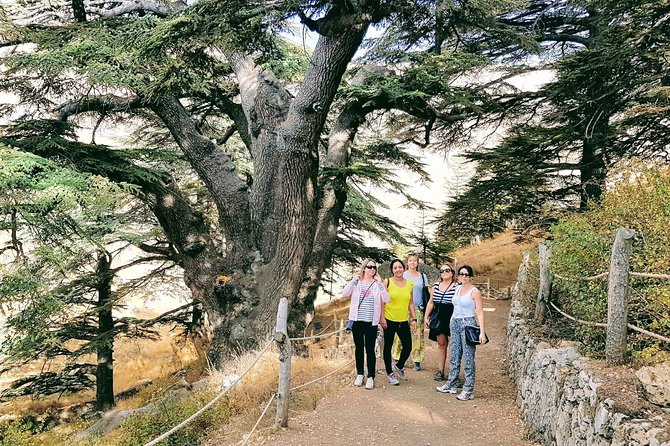
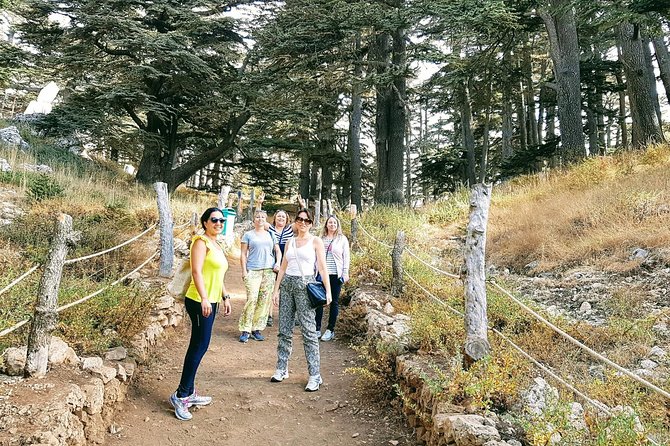
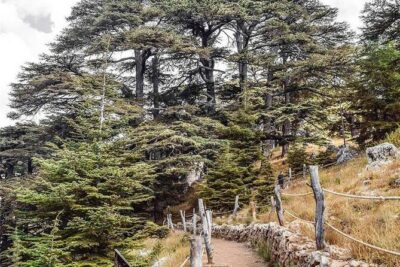
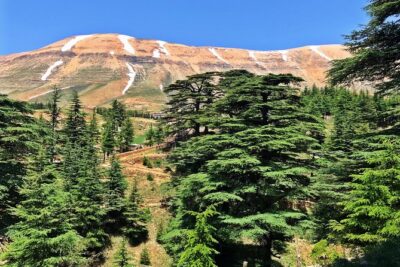
Then comes the moment most people remember. The Cedars of God forest contains 375 trees, and it is described as the last remains of antique forests where cedar still grows. It is not just a pretty woodland stop, it ties into centuries of use, from religious buildings to construction materials prized in ancient times.
You will hear how often cedar appears in the Bible, and the number given here is 103 times. On top of that, the cedar is treated as a symbol of Lebanon’s pride, and it even shows up on the Lebanese flag. That context changes how you look at the trees. You stop thinking only about scenery and start thinking about meaning.
You get about 45 minutes here, which is a comfortable window. Long enough to walk, look up, and take pictures, without feeling like you have to rush. The one drawback is that you might want more time, especially if you love nature or you want slow photos in different light. Still, for a full-day schedule that also covers two other major sites, this is a solid allotment.
The Maronite Monastery of St Anthony the Great, around 950 meters up
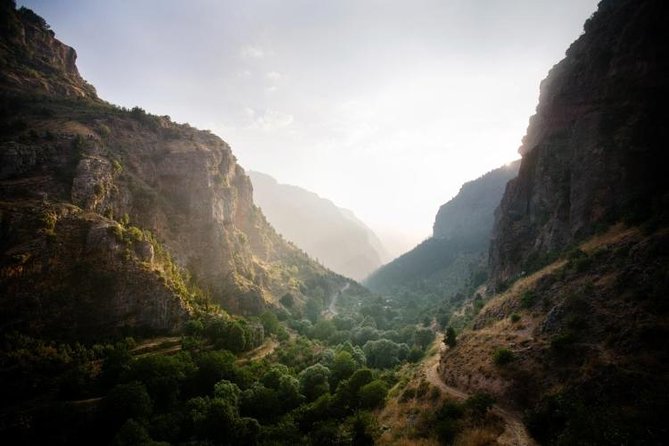
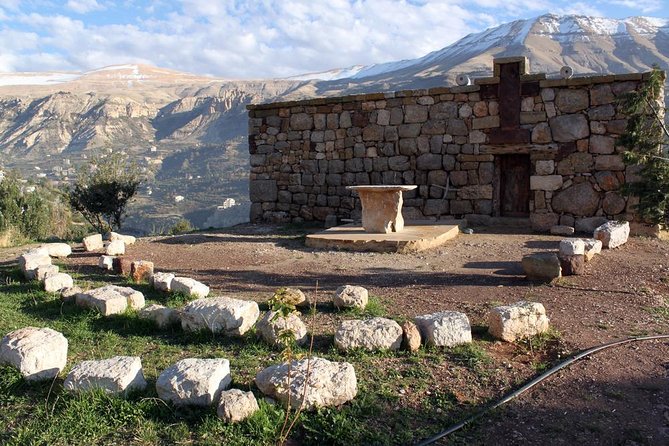
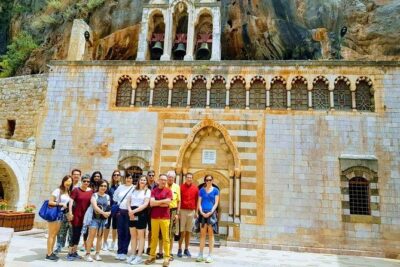
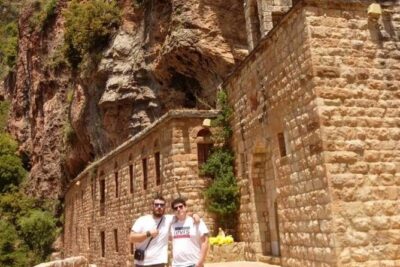
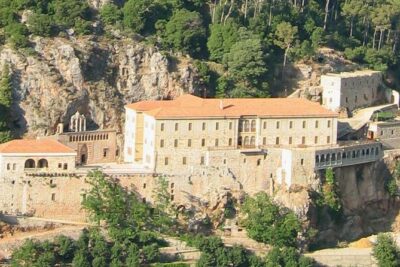
The last major stop is the Maronite Monastery of Saint Anthony the Great, located at roughly 950 meters above sea level in the Valley of Qozhaya. Even without any religious knowledge, the placement does its job. Pine and oak cover the hills around the valley, and the monastery sits in a setting that feels clearly rural, clearly mountainous, and clearly shaped by the environment.
Historians and scholars place the start of hermits here at the beginning of the fourth century. The monastery later faced repeated hardship, including looting, fire, and being razed, but there are still vestiges dating back to the seventh century. That mix of beginnings and interruptions helps explain why older monasteries can feel layered rather than uniform.
From a landscape-viewpoint, the valley matters too. The Qozhaya valley extends into the Valley of Qannubin, forming the broader Qadisha Valley, which helps connect this stop back to the overall theme of monastic life in the region.
You have about 30 minutes, and because it is a working monastery, treat the visit with the usual quiet respect. If you want photos, do them efficiently, and give yourself time to look around before you start aiming shots. Admission is listed as free, so you are getting a major spiritual and historical site without extra ticket steps.
Price and value: what $60 buys you in a full day
At $60 per person, this is more than a quick hop outside the city. You are paying for a full-day, small-group format with transportation, an A/C vehicle, an English-speaking driver, hotel pickup and drop-off within Beirut city center, lunch, and admission fees for the listed sites.
That bundled structure is the real value. You do not need to hunt down ticket prices for the museum, cedar forest, or monastery sites. You also get a guided flow that connects Qadisha Valley monastic history to Bcharre’s Gibran connection and then back to Lebanon’s cedar symbolism.
If you are comparing day trips in the region, the best deals are usually the ones that limit hidden add-ons and keep you in motion with less hassle. This one is priced to cover the main costs up front, which makes it easier to plan your day without surprises.
The only value question you should ask yourself is timing comfort. If you get tired easily with long drives or multiple stops, you may prefer a shorter route. But if you like a full cultural loop, the price feels fair for what is included.
What the schedule feels like in real life
This is an 8-hour kind of day, and the order makes sense. You start with the dramatic monastic story of Qadisha Valley, then you shift to Bcharre for churches, history, and the Gibran Museum, then you move into the natural and symbolic side with the Cedars of God, and you finish with a monastery that ties back to the valley theme.
Each site has a clear time window, roughly 30 minutes at Bcharre’s museum, 45 minutes at the cedar forest, and 30 minutes at St Anthony’s monastery. That structure keeps energy up. You are not trapped in one place too long, and you still get enough time to feel you actually visited, not just passed through.
Lunch sits in the middle of the day, and that matters. A Lebanese lunch included here is usually a better deal than trying to find food on your own in a mountainous region during a busy day. Plan to eat steadily, then save snacks for later only if you know you get hungry easily.
Practical tips for photos, weather, and comfort
A few simple habits will make this day smoother.
Wear shoes you trust. Qadisha Valley and mountain paths can be uneven, and you will stand and walk more than you think once you start exploring caves and monastery areas.
Bring a light layer. Beirut can feel warm while the mountains feel cooler, especially early and late in the day.
Use your phone for context, not just photos. If you want to get the most from the story, take a quick note after each stop on what you learned. Cedar symbolism, early Christian settlement history, and Gibran’s artistic output are easier to remember when you jot down a few key words.
Keep your schedule calm. You will be moving between sites, so do not plan extra appointments right after. Give yourself a buffer for any traffic delays returning to Beirut.
Who should book this tour
This tour is a strong match for you if you want a compact way to see three major sides of Lebanon around Mount Lebanon: early Christian monastic heritage, a cultural stop tied to one of Lebanon’s most famous artists, and a natural site that is also national symbolism.
It also suits couples and small groups who prefer calm explanations and a manageable pace. If you love stories that connect religion, art, and identity to specific physical places, you will probably enjoy it a lot.
If you want only one theme, like only nature or only art, you might wish for a more specialized trip. But for a first or second visit to the country, this creates a well-rounded day.
Should you book the Qadisha Valley, Bcharre and Cedars tour?
I think you should book this if you want a balanced full-day that does not waste time, includes lunch and admissions, and gives you clear context for what you are seeing. It is also a good choice if you like getting out of Beirut for views and history without doing all the logistics yourself.
Skip it if you strongly dislike car travel or if a packed 8-hour day sounds like too much. In that case, you might prefer a shorter option.
If you do book, go in with the right mindset: you are not just collecting stops. You are connecting cedar trees, monastic caves, and Gibran’s legacy into one mountain-day story.
FAQ
What time does the tour start?
The tour start time is 8:30 am.
How long is the tour?
The duration is about 8 hours.
Is lunch included?
Yes. Lunch is included and described as an authentic Lebanese meal.
Are admission tickets included?
Yes. Entry and admission to the sites are included.
Do I get pickup from Beirut?
Yes. Pickup and drop-off are offered from any location within Beirut city center.
What group size should I expect?
The maximum group size is 15 travelers.
Do I get an English-speaking guide?
The tour includes an English-speaking driver.
Can I cancel for a refund?
Yes. You can cancel for free up to 24 hours before the experience starts for a full refund.
More of Lebanon, Reviewed
- Guided Small-Group Tour to Baalbek, Anjar and Ksara with Lunch
★ 5.0 · 511 reviews - Guided Small-Group Tour to Jeita, Harissa, Byblos with Lunch
★ 5.0 · 361 reviews - City Sightseeing Beirut Hop-On Hop-Off Bus Tour
★ 4.5 · 87 reviews - Private Anjar and Baalbek Tour from Beirut with Departure Ticket
★ 5.0 · 79 reviews - Guided Private Full Day Tour to Baalbek, Anjar and Chateau Ksara
★ 5.0 · 60 reviews
Elsewhere in Lebanon
- Guided Small-Group Tour to Baalbek, Anjar and Ksara with Lunch
★ 5.0 · 511 reviews - Guided Small-Group Tour to Jeita, Harissa, Byblos with Lunch
★ 5.0 · 361 reviews - Paragliding Trip Over Lebanon – Jounieh Bay
★ 5.0 · 257 reviews - Jeita Grotto,Harissa&Byblos Full-Day PRIVATE-CAR Trip from Beirut
★ 5.0 · 222 reviews - First Paragliding Club in Lebanon – Since 1992
★ 5.0 · 193 reviews
Up the Qadisha Valley
- Guided Small-Group Tour to Qadisha, Bcharee & Cedars with Lunch
★ 5.0 · 39 reviews - Cedars of Lebanon, Qozhaya, & Bcharre – With Lunch (4G on Board)
★ 4.5 · 34 reviews - Cedars, Bsharre & Kozhaya Day Tour
★ 5.0 · 15 reviews - Small Group Tours to Qadisha Valley, Bcharre and Cedars with lunch and all fees
★ 5.0 · 9 reviews - Private Trip to Qadisha Valley, Bcharri and Cedars of God
★ 5.0 · 6 reviews
Other Lebanon trips we have written up
Qadisha Valley & the Cedars of God, compared.
 ★ 5.0Guided Small-Group Tour to Qadisha, Bcharee & Cedars with LunchFrom $6539 reviews
 ★ 4.5Cedars of Lebanon, Qozhaya, & Bcharre – With Lunch (4G on Board)From $9534 reviews
 ★ 5.0Cedars, Bsharre & Kozhaya Day TourFrom $17415 reviews
 ★ 5.0Small Group Tours to Qadisha Valley, Bcharre and Cedars with lunch and all feesFrom $999 reviews
 ★ 5.0Private Trip to Qadisha Valley, Bcharri and Cedars of GodFrom $756 reviews
 ★ 4.5Private Trip to Qadisha Valley, Cedars Forest of God and Baalbek TemplesFrom $1506 reviews
 ★ 4.5Beirut to Qadisha Valley, Bcharri & Cedar: Daily Tours with LunchFrom $653 reviews
 ★ 5.0PRIVATE Tour to Cedars of God, Besharre & Qozhaya ValleyFrom $1133 reviews
Every list this tour turns up in